Portugal Joins 12 NATO Allies in Largest Black Sea Naval Exercise of 2026
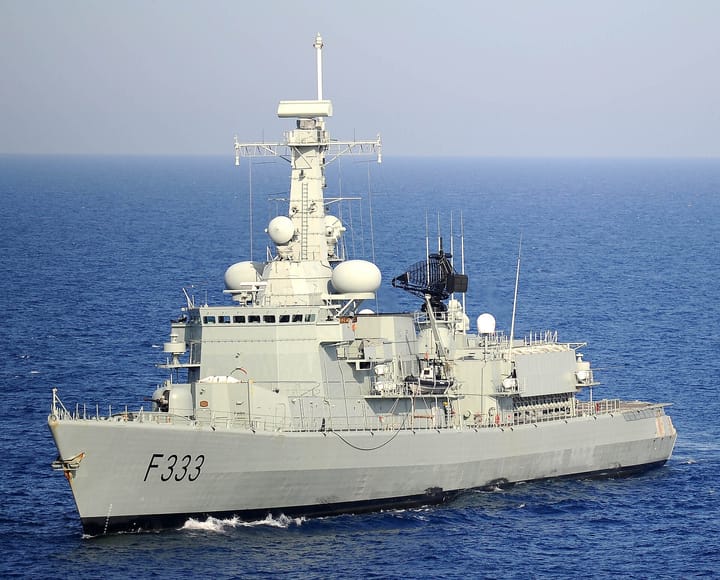
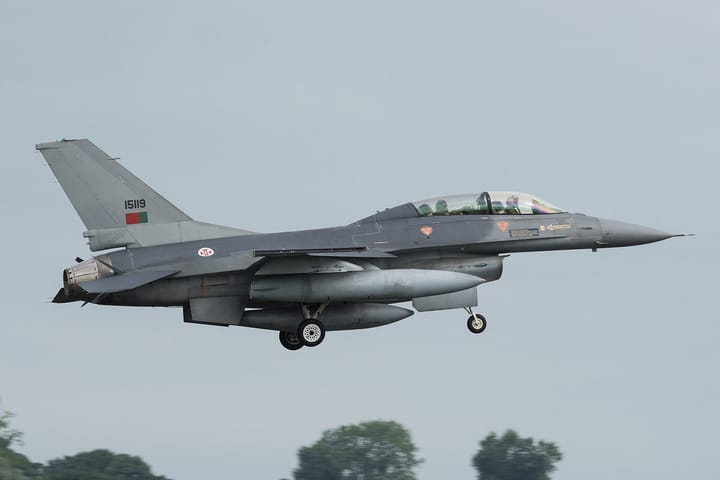
Two hundred Portuguese military personnel are participating in Sea Shield 2026, the largest NATO naval exercise of the year, which launched on Sunday off the coast of Romania. The drill involves more than 2,500 troops from 13 allied nations and will...

Two hundred Portuguese military personnel are participating in Sea Shield 2026, the largest NATO naval exercise of the year, which launched on Sunday off the coast of Romania. The drill involves more than 2,500 troops from 13 allied nations and will run through April 3 across the Black Sea and Danube river systems.
What Is Sea Shield?
Organised by the Romanian Navy, Sea Shield is an annual multinational exercise designed to test interoperability between allied fleets in one of Europe's most strategically sensitive waterways. This year's edition includes forces from Bulgaria, Canada, France, Germany, Greece, Italy, the Netherlands, Poland, Portugal, Spain, Turkey, and the United States alongside the host nation. For broader context, see the new Defender Portugal civic-military programme proposed by PSD and CDS-PP.
The exercise encompasses anti-submarine warfare, mine countermeasures, air defence, and maritime interdiction operations. The Black Sea has been at the centre of NATO's eastern flank strategy since Russia's 2022 invasion of Ukraine, and the drills are explicitly intended to demonstrate collective deterrence capability.
Portugal's Expanding Role
Portugal's 200-troop contribution to Sea Shield reflects the country's growing commitment to NATO's collective defence posture. While Portugal has traditionally been seen as an Atlantic-facing power with limited interest in eastern European security dynamics, that calculus has shifted since 2022.
Lisbon has steadily increased its defence spending and contributed to several NATO deployments, including missions in the Baltic states and the Mediterranean. The current government under Luis Montenegro has maintained continuity with the previous PS-led administration's commitment to reaching NATO's 2% GDP spending target.
The Sea Shield deployment comes just days after news that Ukrainian naval drone operators outperformed NATO allied forces during last year's REPMUS/Dynamic Messenger exercise, which was held off the Portuguese coast near Sesimbra. Ukraine's "red team" defeated NATO's "blue team" in all five training scenarios, highlighting the revolutionary impact of unmanned maritime systems on naval warfare.
Why It Matters
For Portugal, these exercises serve a dual purpose. They reinforce the country's standing within the alliance at a time when burden-sharing debates remain politically sensitive, particularly given US pressure on European allies to shoulder more of their own defence costs. They also provide Portuguese forces with operational experience in environments very different from the Atlantic, improving readiness for a broader range of contingencies.
For expats and foreign residents in Portugal, the country's deepening NATO engagement is a net positive for security perception and geopolitical stability. A Portugal that is seen as a reliable alliance partner benefits from stronger collective security guarantees, which in turn support the kind of political and economic stability that attracts international investment and talent.
Background: See the Sesimbra-Seixal NATO ammunition depot servitude case at the PGR.