Two Former Michelin Cooks Bring a Tasting Menu to a Restored Village Oven in an 850-Person Trás-os-Montes Parish
In Vreia de Jales, a parish of 850 in Vila Pouca de Aguiar, a couple who trained in Michelin-starred kitchens in Spain and Switzerland have restored the old communal bread oven into Forno de Jales — a tasting-menu restaurant open three days a week, built from produce they grow and their neighbours s
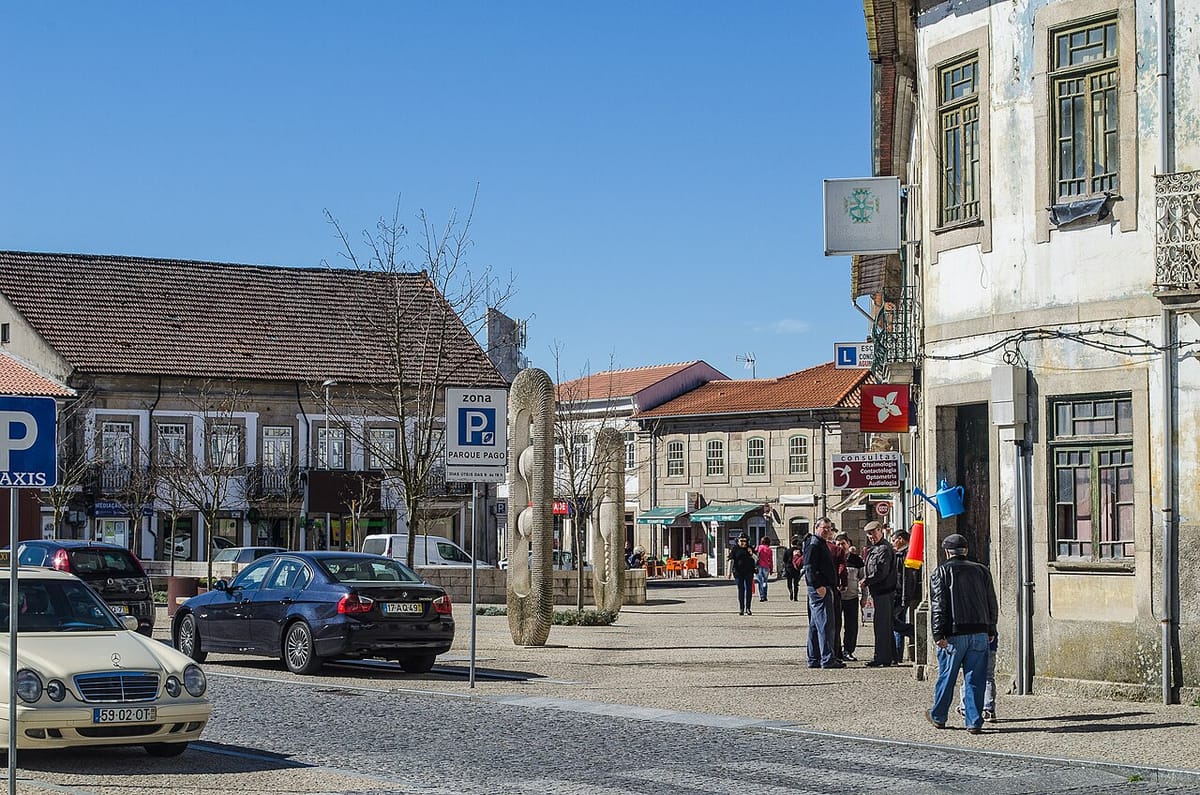
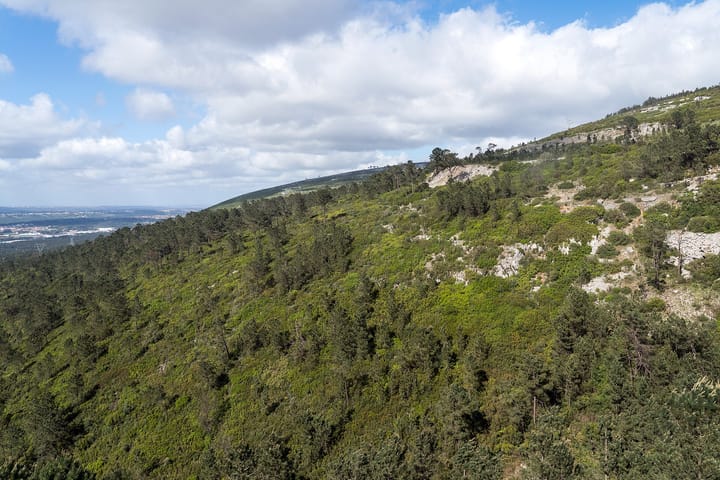
In Vreia de Jales, a parish of about 850 people in the municipality of Vila Pouca de Aguiar, deep in Trás-os-Montes (the “land beyond the mountains” in Portugal's north-eastern interior), the old communal bread oven has a new life. It now houses Forno de Jales, a restaurant serving a tasting menu built almost entirely from the produce of the surrounding hills — an improbable outpost of fine dining in a village more used to losing residents than gaining them, as reported by RTP.
From starred kitchens to a village oven
Behind it are Rita and João, a couple who trained and worked together in Michelin-starred kitchens in Spain and Switzerland before deciding that the career they wanted was not in another big-city dining room. Time spent in the Basque Country — a region that has turned rigorous, ingredient-led cooking into a point of national pride — helped shape the idea. Rather than chase a marquee address, they chose “a small and rural space, just theirs,” and set about restoring the forno comunitário, the shared oven where generations of villagers once baked their bread.
Turning that heritage building into a restaurant was, by their own account, a decision taken “despite many doubts.” The result is deliberately modest in scale and deliberately ambitious in intent: cozinha transmontana — the hearty regional cooking of Trás-os-Montes — reworked with the discipline of a tasting-menu kitchen.
Cooking three days, farming the rest
The rhythm of the place is as unusual as its address. Forno de Jales opens for its tasting menu only three days a week. The remaining days the couple spend working the land and tending animals, growing and raising a good part of what later reaches the table. Much of the rest comes from “friendly producers living next door” — the neighbours whose gardens, orchards and smallholdings supply a kitchen that treats proximity as the whole point rather than a marketing line.
It is a model that inverts the usual economics of ambitious restaurants, which cluster in cities where footfall and suppliers are dense. Here the scarcity of both is the selling proposition: a menu that could not exist anywhere else because it is made of this particular place.
Why it matters
Portugal's interior has spent decades emptying out, as younger people drift to Lisbon, Porto and abroad and services thin behind them. Projects like Forno de Jales will not reverse that on their own. But they hint at a quieter counter-current — skilled people choosing the interior on purpose, betting that remoteness and a restored village oven are assets rather than obstacles. For a parish of 850, a reason for outsiders to make the drive to Vreia de Jales is not a small thing.