Two Fields Have Vanished From AIMA's Permanent-Residence Form for EU Citizens, and the Check Now Runs Itself in About Half an Hour
From 15 September, EU nationals and their family members applying for permanent residence through AIMA's renewals portal no longer supply a NIF or a NISS. The agency verifies both automatically. The fifteen-day and three-month statutory deadlines are unchanged.
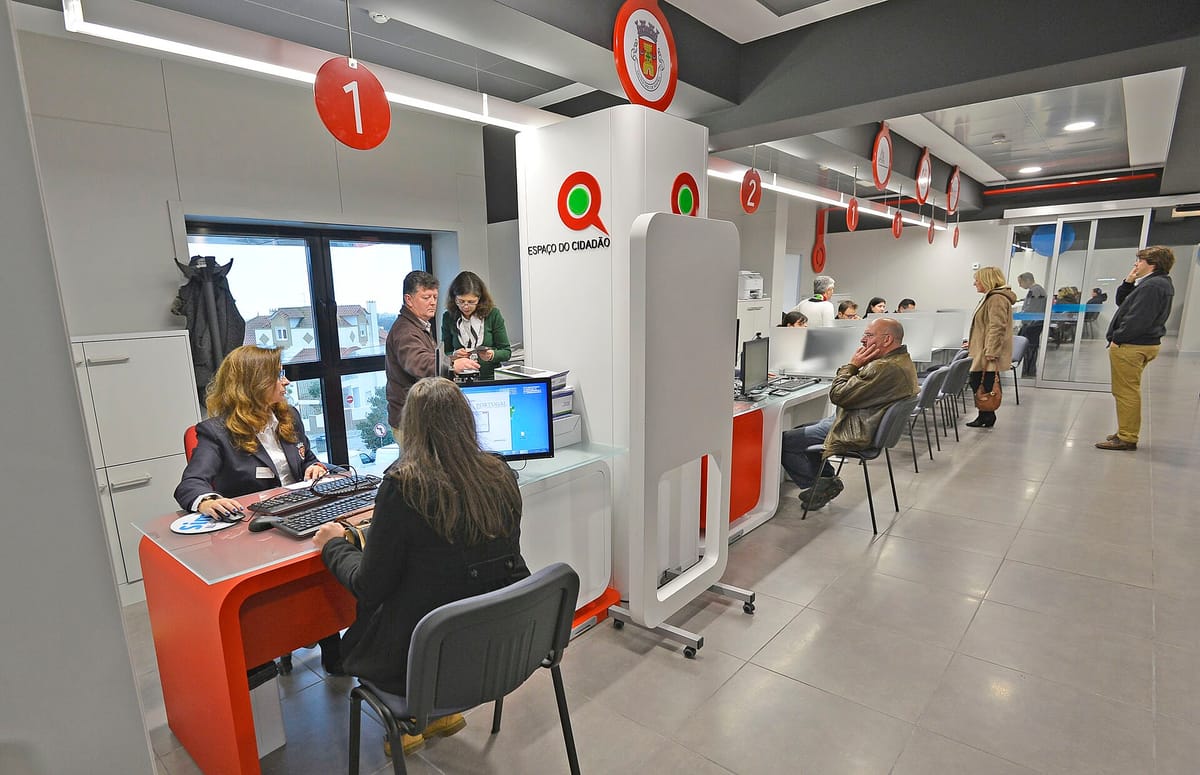
AIMA, the Agência para a Integração, Migrações e Asilo (Agency for Integration, Migration and Asylum), has quietly removed two fields from one of its online forms, and the removal says more about how Portuguese administration works than the form does.
From 15 September, European Union nationals and their family members applying through the Portal de Renovações for a permanent residence certificate or a permanent residence card no longer have to supply a Número de Identificação Fiscal (tax number) or a Número de Identificação da Segurança Social (social security number). The agency now verifies the applicant's details automatically with the bodies that hold them. Applicants may see a message saying their data is being validated; AIMA says that check can take around thirty minutes, after which they should return to the portal and complete the application and the fee payment.
Why two numbers mattered so much
Asking for a tax number and a social security number looks like a formality until you consider who was being asked. A permanent residence application is filed by someone who has already been here five years, and for whom both numbers almost certainly exist. The burden was not obtaining them. It was that a mistyped digit, or a number recorded differently by the Autoridade Tributária (Tax Authority) than by Segurança Social (Social Security), turned into a rejected application and a fresh start. Moving the check from the applicant to the machine removes a class of failure that had nothing to do with whether the person qualified.
It also fits a pattern. In August the agency told EU nationals holding old paper residence cards to renew online, and had to explain that the card number must be entered without its leading zero, a detail that had been silently failing applications. The direction of travel is the same: take the parts of the form where a human can get it wrong and stop asking.
Where the permanent certificate sits in the law
The route these applicants are on is governed by Lei n.º 37/2006, the statute that transposes the EU free movement directive. An EU citizen who has lived legally in Portugal for five consecutive years acquires the right of permanent residence; under article 13, so does a family member from outside the EU after the same five years.
The two documents are not the same thing, and the deadlines differ sharply. Under article 16, AIMA issues an EU citizen's permanent residence certificate within a maximum of fifteen days, and the law says the decision depends exclusively on verifying the duration of residence. Under article 17, the permanent residence card for a third-country family member takes up to three months, and must be applied for before the earlier five-year residence card expires. That expiry deadline still bites, and nothing in last week's change alters it.
One point continues to confuse new arrivals, and it is worth stating plainly because the portal does not. The first registration an EU citizen makes in Portugal, the one due within thirty days after three months of residence, is not made to AIMA at all. Article 14 sends it to the câmara municipal (municipal council) of the area where you live. AIMA enters the picture at the permanent stage, five years later. An EU national who has never dealt with the agency before is not behind; they are simply at the point in the sequence where the agency's portal becomes the right door.