Twenty-Five New Antennas Will Bring 5G to the Remote Corners of 45 Northern Councils and the Douro River by the End of 2028
A 10 million euro project led by Dstelecom, 75 percent EU-funded, aims to cover 25 to 50 percent of the mobile shadow zones in the Douro, Tâmega e Sousa, Alto Tâmega e Barroso and Trás-os-Montes regions.
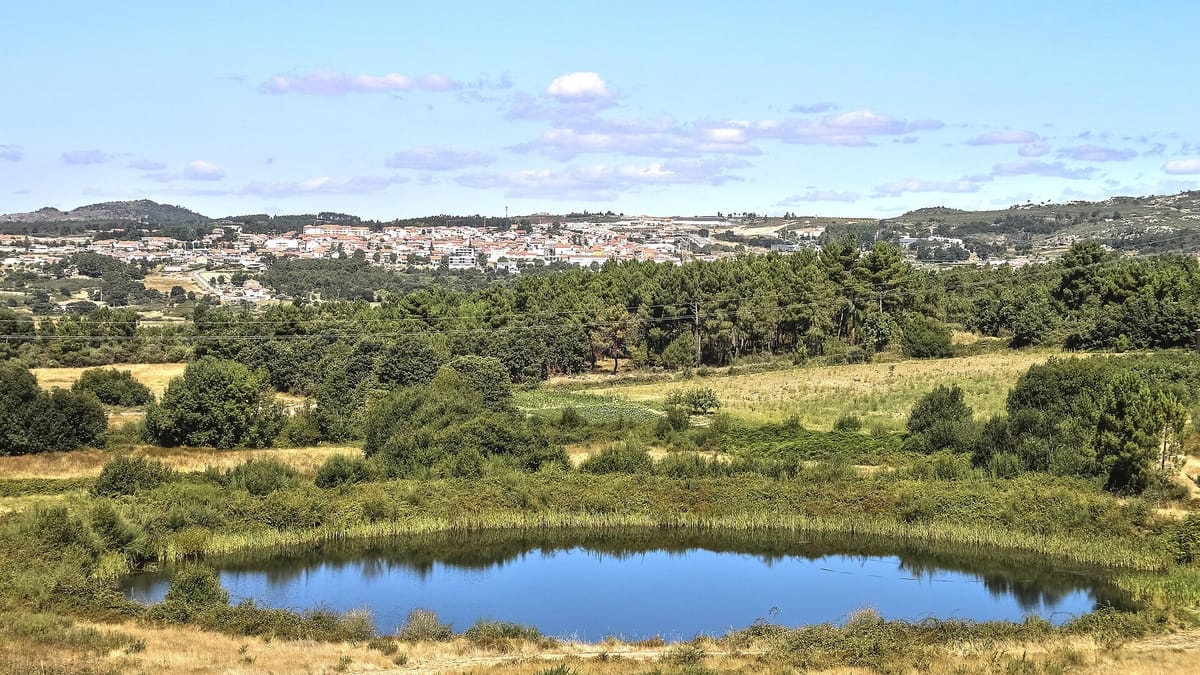
A 10 million euro project will put 5G mobile coverage into the most isolated corners of 45 municipalities in northern Portugal, and along the navigable stretch of the Douro river, by the end of 2028. Twenty-five new antennas will each cover a radius of three to four kilometres. The project, called 5G.Connect, is presented on Friday in Carrazeda de Ansiães.
The 45 municipalities belong to four Comunidades Intermunicipais (intermunicipal communities, the groupings through which neighbouring councils share regional projects): the Douro, Alto Tâmega e Barroso, Tâmega e Sousa and Terras de Trás-os-Montes.
Aimed at the shadow zones
"District capitals are already very well served for 5G coverage, and the aim is precisely to take the 5G network to the populations that are more isolated and more dispersed," Ricardo Henriques, who manages the project for the telecoms infrastructure company Dstelecom, told the Lusa news agency. Coverage in the region is harder because of the steep, folded terrain and because people are spread thinly across it. He said the new antennas would cover "between 25 and 50 percent" of the shadow zones, the places where there is currently no usable signal.
The river is included because of tourism. Henriques said the Douro waterway now carries more than a million tourists a year, and a similar project has already been carried out in the south of the country. Boat traffic on the river reached 1.39 million passengers last year.
Who is paying, and when
The European Union is paying 75 percent of the 10 million euros. The rest comes from the consortium: Dstelecom, the operator NOS, innovationPoint/MOSAIC (part of Dstgroup) and IrRADIAR, with the Douro intermunicipal community as a partner.
Work has started with meetings with the councils. The antennas, which belong to NOS, are due to go up from early next year, and the network should be available by the end of 2028.
Services for councils
The project also includes digital services, paid for by the municipalities, in climate action, civil protection, heritage and social care. Henriques listed sustainable mobility, wildfire detection, remote monitoring of older people with teleconsultations, "digital twin" copies of buildings and renewable energy communities.
What it means for residents
In the remote villages of Trás-os-Montes and the Douro valley, where fibre does not always reach, a mobile signal can be the only practical internet connection for residents, including immigrants and remote workers who have settled there. Our guide to internet, mobile and TV in Portugal explains how to compare providers and plans.
The coverage will be partial. Twenty-five antennas will not close every gap, and on the project's own estimate between half and three quarters of today's dead zones could remain. The announcement did not say which villages the masts will serve.