Locks and Quays Are the Ceiling on Portugal's Water Tourism, After 1.39 Million Passengers on the Douro Last Year
Eight consecutive years of growth on the navigable Douro, 113 operators and nearly 17,000 lock passages. The operators say the infrastructure, not the demand, is what limits the next stretch.
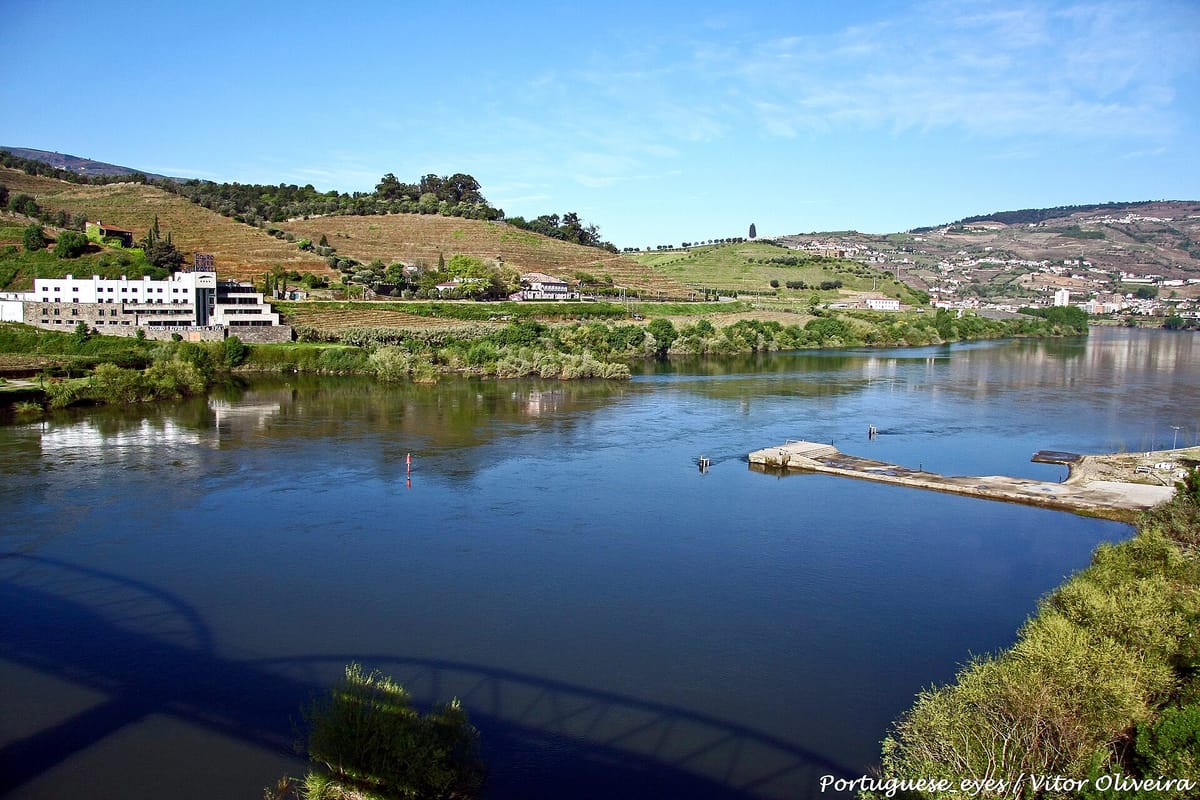
Nearly 1.39 million people travelled on the navigable Douro last year, an eighth consecutive year of growth, and the operators who carried them say the thing now standing between the river and its next million passengers is a set of locks and quays.
The figure, 1,388,646 passengers on the Via Navegavel do Douro in 2025 against 1,377,858 in 2024, comes from the Associacao das Actividades Maritimo-Turisticas do Douro (AAMTD). Behind it sat 113 operators, 252 vessels and close to 17,000 lock passages. Short cruises remain the largest segment and hotel ships keep growing steadily. The most sought-after trips are the runs between the bridges and across the reservoirs, the day routes linking Porto, Regua, Pinhao and Barca d'Alva, and the wine tourism programmes tied to the Douro estates.
This high season has been "globally positive", according to the association's vice-president Vasco Silva, with demand in line with or slightly above last summer. The national picture is less even. Antonio Marques Vidal, who heads APECATE, the association for congresses, tourist activity and events, said the season is running at a good pace but started badly because of the weather in May, and that average demand across the country is still a little below the same period last year.
A bigger sector than the river
Maritime tourism sits inside a much larger boating economy. There are 2,577 registered maritime-tourism vessels in Portugal, within a fleet of more than 73,000 recreational craft. A 2025 study by the nautical division of ACAP, cited by the Forum Oceano cluster, puts recreational boating at more than 6,000 companies, 10,000 workers and 556 million euros of turnover, which places Portugal twelfth in Europe. New vessel registrations grew 6.8 percent between 2022 and 2023, to roughly 5,000 a year.
Foreign demand does much of the work, and it varies by coast. On the Douro, Americans dominate the hotel-ship segment, with the United Kingdom, France, Germany, Canada and Australia also prominent and Spain gaining weight in day cruises. In the Algarve and Lisbon the visitors are mostly foreign; elsewhere Portuguese customers carry more of the load. One Douro luxury operator, Pipadouro, grew 14 percent in 2025 with 90 percent of its clients from abroad.
Ruben Eiras, secretary-general of Forum Oceano, says demand has broadened well beyond the traditional summer and the sea. Stand-up paddle, canoeing, boat trips and light sailing are the most requested activities, surf remains the main draw for younger visitors, and diving, kitesurfing and sport fishing are consolidating. The Centro region has 19 certified nautical stations, more than any other, and more of them inland than on the coast.
Where it stops
The constraints are physical and they are repeated in every account. On the Douro, the AAMTD points to modernising the locks and raising their operational capacity as the single factor most limiting future growth, alongside requalifying the quays and port infrastructure, environmental sustainability, a shortage of qualified staff and the management of rising demand.
Nationally, Forum Oceano finds the same. Marinas and quays in busy areas can run out of capacity in high season. Inland there are places with no quay or mooring at all, and others where the safety conditions are not considered good enough to support the activity. "More investment is needed," Eiras said, pointing to quays, moorings, ramps and support equipment, especially in the interior, and to the scarcity of financing aimed specifically at nautical tourism. Marques Vidal adds bureaucracy and legislation he considers ill-fitting, along with a lack of ports set up for tourist operations. Underneath it all sits a fragmented industry of micro and small firms that struggle with training, digitalisation and certification.