Shared Solar Schemes in Portugal More Than Double Since January to 2,127, and Those Running by 2029 Escape a Bill Charge for Seven Years
Collective self-consumption projects and energy communities in operation rose from 879 to 2,127 between January and September, the ministry says. What Decree-Law 130/2026 changed, the 2 km rule, and the seven-year exemption from bill charges.
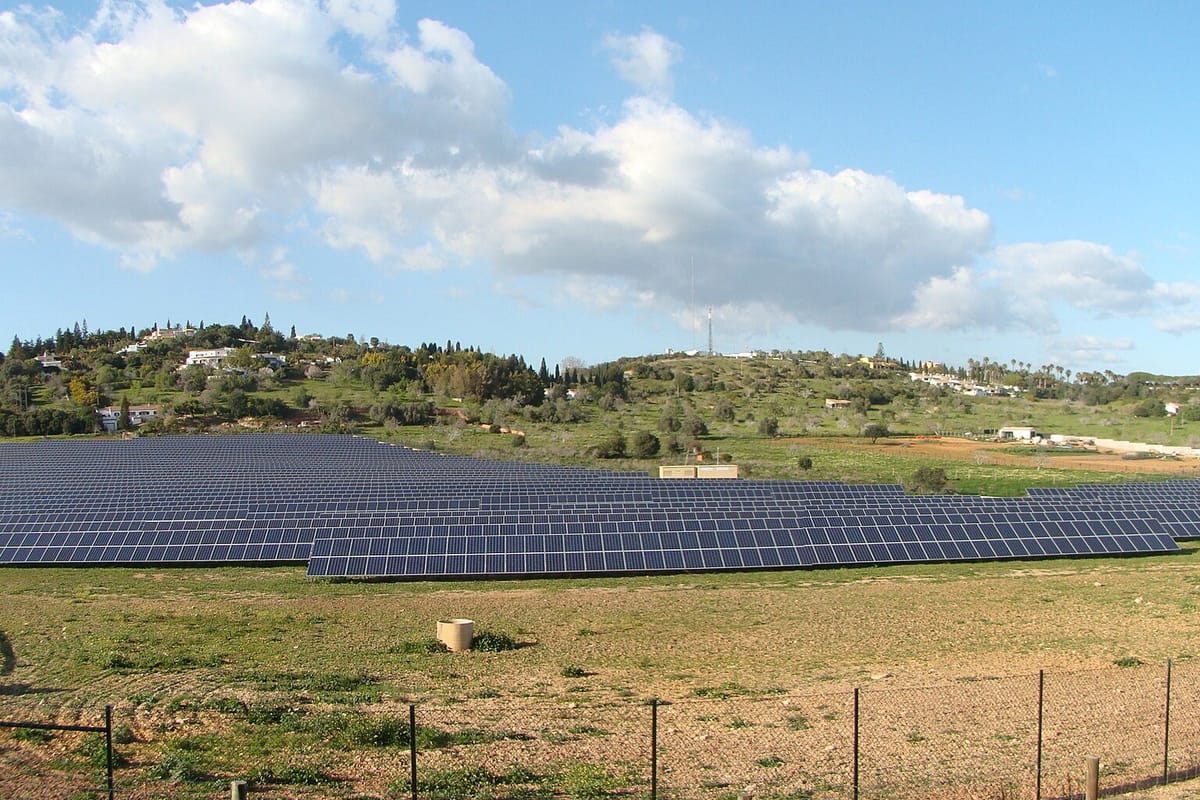
The number of shared solar schemes running in Portugal has more than doubled this year. Collective self-consumption projects (autoconsumo coletivo, where neighbours, businesses or a council share the output of nearby panels) and renewable energy communities in operation rose from 879 in January to 2,127 in September, an increase of 1,248 projects or about 142 percent, the Ministry of Environment and Energy said on Monday 2 November.
For residents, the figures matter because these schemes are one of the few ways to cut an electricity bill without putting panels on your own roof. A tenant or a flat owner can join a scheme nearby and pay less for the power it shares with them, while keeping the same electricity supplier.
What the figures show
- Shared schemes and energy communities in operation had 124.1 MW of installed capacity in September.
- Individual self-consumption, meaning panels that serve a single home or business, passed 282,000 certified installations at the start of October, with about 2.78 GW of capacity.
- More than 30,000 of those individual installations were certified in the first nine months of 2026, 12 percent more than at the end of 2025, adding about 223 MW.
"Simplifying self-consumption is paying off: more projects, faster processes and energy closer to the people who use it," said the minister, Maria da Graça Carvalho, in the statement.
The rules behind the rise
The ministry links the growth to Decree-Law 130/2026 of 29 June, which rewrote parts of the law that governs Portugal's electricity system. According to the ministry, it widens the cases in which a scheme does not need to consult the grid operator first, revises how close producers and users must be, and makes it easier for members to join and leave. It also spells out the grid operator's duties in shared schemes: switching projects on, metering the energy and supplying the data the scheme needs to run.
The decree sets the distance test in its Article 83: on the low-voltage grid that serves homes, a member must be within 2 km of the scheme's main solar installation or connected to the same substation, and the distance doubles in officially low-density areas. Where a public body sets up a shared scheme or community, it must keep the door open to economically vulnerable households and try to make at least 10 percent of the shared energy available to them.
What it means for you
The ministry says schemes and communities that meet the conditions to start operating by the end of 2029 will be fully exempt for seven years from the CIEG (custos de interesse económico geral, the policy charges added to every electricity bill) on the energy shared over the public grid. In practice, joining a scheme that starts within that window means a larger saving on the shared power for the life of the exemption.
If you are interested, ask your council or parish whether it runs or backs a scheme, and check that your home is within the distance limit before you sign. Our guide to joining a renewable energy community in Portugal explains who can join, how billing works and how to leave. If you would rather install your own panels, our guide to solar self-consumption covers the registration steps.