The Port of Aveiro Breaks Ground on a Solar Array to Power Four-Fifths of Its Own Electricity
The Port of Aveiro Authority has signed a €972,748 contract to build photovoltaic panels for self-consumption, expected to generate about 656,553 kWh a year and cover more than 80% of the port's own electricity, part of its Energy Transition Strategy.
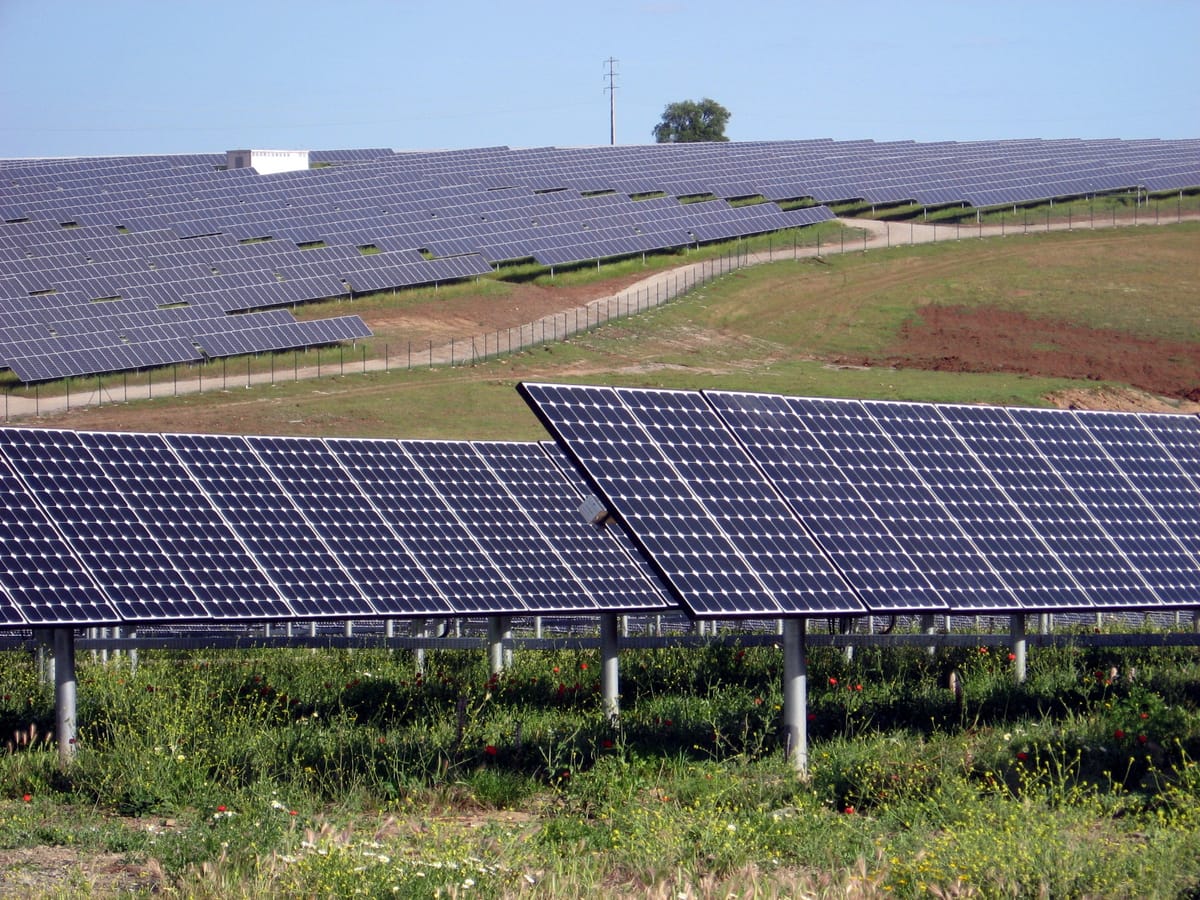
The Port of Aveiro is to generate most of its own electricity from the sun. The Administração do Porto de Aveiro (Port of Aveiro Authority) signed the contract on Friday for the construction of photovoltaic infrastructure designed for self-consumption, a modest but pointed investment of €972,748 that will let the port cover the bulk of its own power needs from panels on its own land.
Once built, the new units are expected to produce about 656,553 kilowatt-hours a year — enough to push the port's rate of self-consumption above 80%, meaning that more than four-fifths of the electricity it uses would come from its own solar array rather than from the public grid. The authority says the project will cut both its exposure to wholesale electricity prices and its greenhouse-gas emissions, two goals that have become increasingly hard to separate as energy costs and climate targets bear down on Portuguese industry at the same time.
The scheme forms part of the port's broader Energy Transition Strategy, an attempt to reposition a working industrial and logistics hub — one built around fishing, chemicals, ceramics and containerised cargo on the lagoon south of Porto — as a lower-carbon operation. Ports are energy-hungry places, running cranes, cold stores, lighting and increasingly the shore-power connections that let ships switch off their engines while berthed, so shaving four-fifths of that demand off the grid is a meaningful step for a single site.
Solar self-consumption of this kind has spread quickly across Portugal in recent years, encouraged by lighter licensing rules for panels that feed a building or facility directly rather than selling power back to the network. For businesses, the appeal is straightforward: with a rooftop or a patch of ground and a few hundred thousand euros, a company can lock in a large slice of its electricity at a fixed, up-front cost and insulate itself from the swings in market prices that have rattled Portuguese firms since the energy crisis.
The national backdrop is unusually favourable. Portugal already draws the overwhelming majority of its electricity from renewable sources — wind, hydropower and a fast-growing fleet of solar plants — and on windy, sunny days the grid can run almost entirely green. Adding distributed panels at ports, factories and warehouses chips away at demand at the very point where it is consumed, easing pressure on a transmission network that operators have repeatedly flagged as the main bottleneck to building yet more large-scale renewables.
Aveiro's outlay is small by the standards of the multi-million-euro factory and data-centre projects that dominate the business pages, but it is the kind of unglamorous, replicable investment that adds up. If every publicly owned port, airport and utility in the country trimmed its own grid draw by a similar margin, the cumulative effect on emissions and on peak demand would dwarf any single headline deal — which is precisely the bet the Port of Aveiro is making with its panels. On where the national emissions line actually went, our reading of the 2026 EDGAR release, which puts Portugal's emissions up 1.6 percent in 2025 against a falling European total, with gas-fired power and industrial burning carrying 72 percent of the rise sets the latest reference.