The National Director of the Judicial Police Is Under Investigation Over What He Told a Court About Wiretaps in the Rui Pinto Case
The complaint came from a coordinator inside the force with thirty years of service. Two allegations: evidence that no intercepts were made, and an intercept ordered after prosecutors had forbidden it.
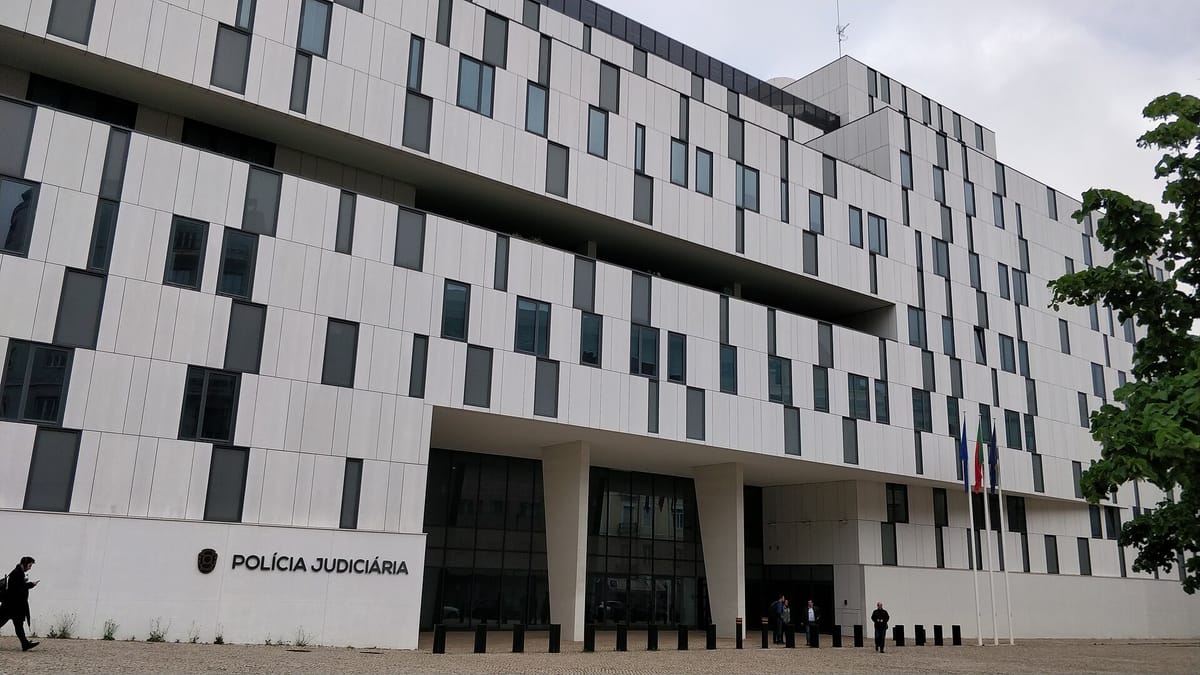
Prosecutors have opened an inquiry into Carlos Cabreiro, the national director of the Polícia Judiciária, on suspicion of making false statements in court and of abuse of power. The Attorney General's Office confirmed the inquiry to the newspaper Expresso in a single line: "the opening of an inquiry is confirmed." The police force declined to comment.
The case does not come from a rival institution or from a political party. It comes from inside the building. The complaint was lodged on 27 July by David Freitas, a coordinator of the Polícia Judiciária with more than thirty years in the force, and it names other senior officers besides the director.
The two allegations
The first concerns evidence Cabreiro gave in court in the proceedings against the hacker Rui Pinto. According to the complaint, the director told the court that no telephone intercepts had been carried out in the course of that investigation. Freitas disputes that account and argues it may amount to the criminal offence of false statements.
The second concerns a specific intercept which, the complaint says, Cabreiro ordered after the Public Prosecution Service had expressly forbidden it. That is the episode in which Freitas sees possible grounds for abuse of power.
Both allegations remain allegations. An inquiry in Portuguese criminal procedure is the investigative phase; it establishes whether there is enough evidence to charge anyone, and a great many inquiries close without charges. Nobody has been formally named as a suspect in public.
Why the Rui Pinto file keeps returning
Rui Pinto is the Portuguese hacker behind Football Leaks, the release of tens of thousands of documents on the finances of European football. His case has been running through the courts for seven years, and the question of how investigators first identified him has been contested throughout.
In April this year, Lisbon's Central Criminal Court acquitted him on all 241 counts in his second trial, voiding the indictment as constitutionally defective. In June the Public Prosecution Service lodged its appeal at the Tribunal da Relação de Lisboa. The appeal is still pending, which means the underlying investigation, and the methods used in it, remain live legal questions rather than closed history.
A second director under scrutiny
Cabreiro took over the Polícia Judiciária from Luís Neves, who ran it from 2018 until this year and now sits in the cabinet as Minister of Internal Administration. Neves has had a difficult few months of his own: he is facing a Court of Auditors trial over contracts signed during his years at the head of the force, and the Constitutional Court has censured him for filing no declaration of income and assets while he held the post.
For readers who deal with the Polícia Judiciária only as the force that investigates serious and organised crime, the practical effect of all this is nil for now. The force continues to operate, its investigations continue, and neither the inquiry nor the outcome of the Football Leaks appeal changes any procedure a member of the public would encounter. What it does change is the political weather around a police leadership that has now supplied two successive national directors to the justice system as subjects rather than as investigators.