The Government Earmarks €500,000 to Rebuild Local Radio Stations Battered by This Winter's Storm Kristin
The state has set aside €500,000 — €300,000 of it reserved for regional and local stations — to help broadcasters replace transmitters and studio equipment wrecked by storm Kristin, which hit central Portugal in late January. Set out in Decree-Law 140/2026, the scheme runs to 26 August and recognise
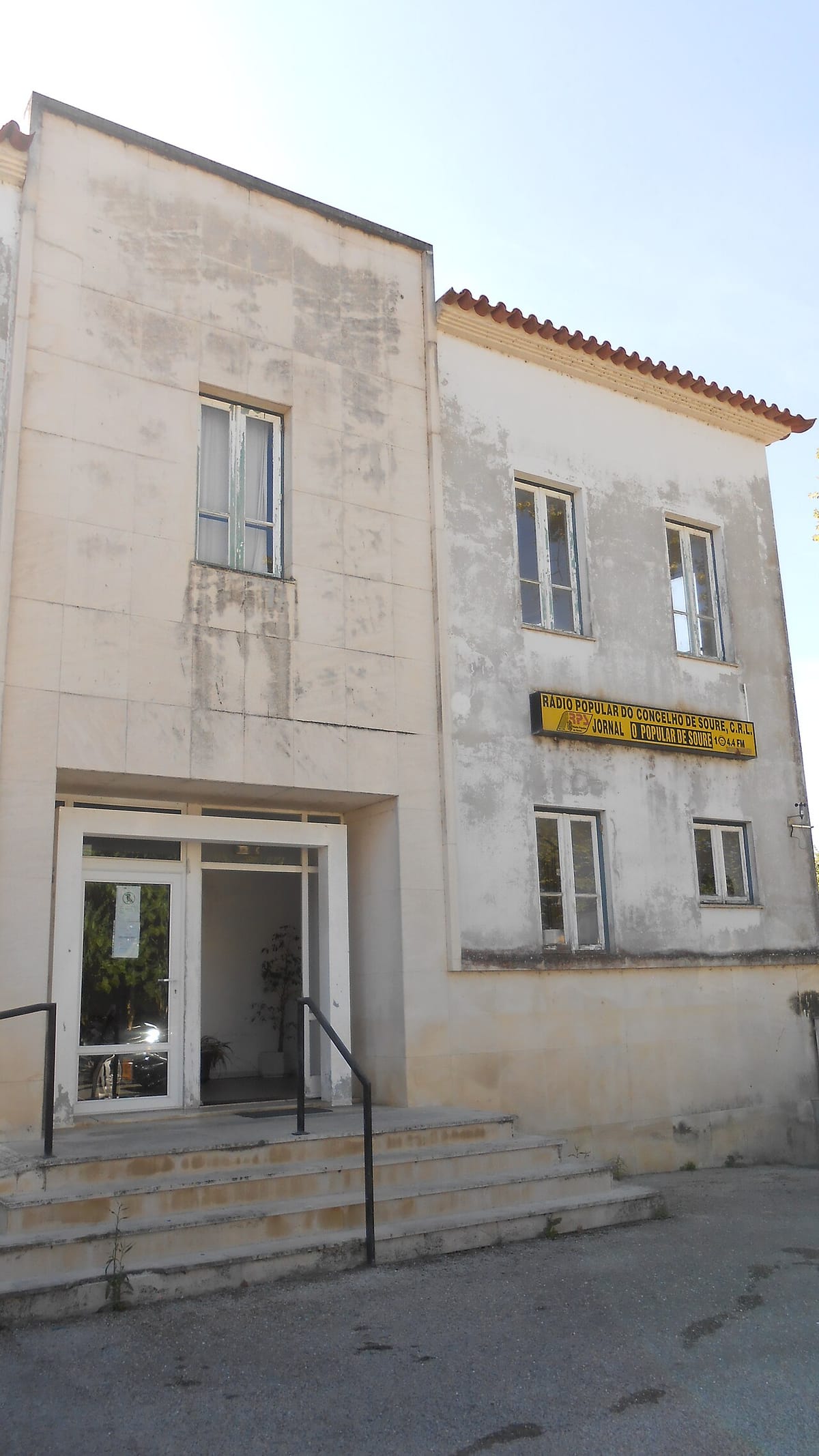
The government has set aside €500,000 to help small radio stations rebuild the transmitters and studios that the winter storm Kristin knocked out. The extraordinary support, confirmed this weekend, is aimed squarely at the regional and local broadcasters that lost equipment when the storm swept across central Portugal in late January and early February.
Of the total, €300,000 is reserved specifically for regional and local radio stations, with the remaining €200,000 available to other eligible broadcasters. The money is meant to cover the reconstruction and replacement of transmission and broadcasting equipment and infrastructure that was directly damaged — the masts, antennas and studio hardware without which a station simply goes off the air.
A storm that hit the airwaves
Kristin was one of the Atlantic windstorms that battered the Iberian Peninsula over the winter, and its strongest gusts fell on Portugal’s interior and central regions. For a large national broadcaster, a damaged transmitter is an inconvenience covered by insurance and spare capacity. For a volunteer-run parish station broadcasting on a single FM frequency, the loss of an antenna can mean weeks of silence and a repair bill it has no way of meeting.
That imbalance is the reason the state has stepped in. The government framed the support as a recognition of the role local and regional radios play in what it called proximity information and public service — a role that matters most precisely in emergencies, when a nearby station relaying warnings about floods, fires or road closures can reach listeners that national media and mobile alerts sometimes miss.
How the scheme works
The measure is set out in Decreto-Lei n.º 140/2026 (Decree-Law 140/2026), published on 10 July, and is administered by the Estrutura de Missão para a Comunicação Social (Media Mission Structure), the government body that oversees support to the press and broadcasting sector. Stations have until 26 August to apply.
To qualify, a broadcaster must be up to date with its tax and social-security obligations, submit a written declaration of the damage it suffered, and provide an estimate of the recovery costs. Decisions are to be communicated within ten working days of the assessment being completed, a deliberately tight timetable for a sector where every week off the air erodes an already fragile audience and advertising base.
Why it matters
Local radio occupies an unusual place in Portuguese life. Hundreds of small stations, many attached to a town newspaper or a parish association, still carry death notices, council announcements, patron-saint festival schedules and the kind of hyper-local news that no national outlet covers. For newcomers settling in the interior, these frequencies are often the first place a wildfire evacuation order or a burst-water-main notice is heard in real time.
€500,000 will not transform the sector, and it does not pretend to. But for a handful of stations still running on storm-damaged equipment six months after Kristin, it may be the difference between coming back on air and shutting down for good — and it signals that the state still counts small broadcasters as part of the country’s emergency infrastructure rather than a relic to be left to fade out.