The Free Creche Programme Says 97 Percent of Applications Have a Place, and the Money That Built It Has Run Out
More than 19,000 free places since April 2024 and capacity above 141,000 children. The State now pays 551.50 euros a month for each free place, and the recovery-plan funding behind the expansion is spent.
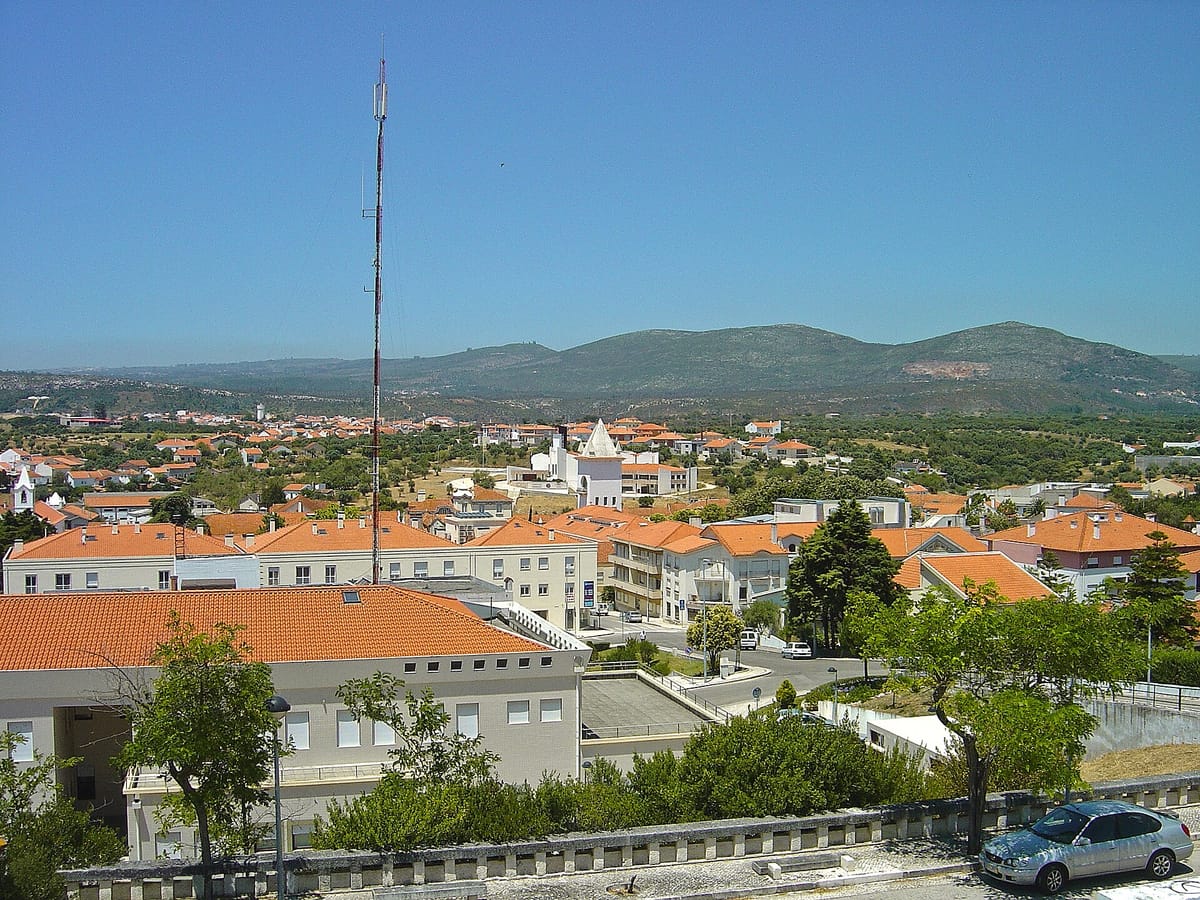
The Minister for Labour, Solidarity and Social Security said on Friday that 97 percent of applications to the Creche Feliz programme now have a place assigned, and that more than 19,000 free places have been created since April 2024. The figure came in Bugalhos, in the council of Alcanena, at the first of three crèche openings she attended that day.
Creche Feliz is the scheme that made nursery care free in Portugal for children from birth to the end of the third year, delivered through the social sector and municipalities rather than by the State directly. Rosário Palma Ramalho put installed capacity across the programme at more than 141,000 children, and said a centralised platform for managing and searching for vacancies went live this year.
What the State pays for a free place
A free place is not a free service. The State reimburses the institution that provides it, and the size of that reimbursement is the quiet number that decides whether the network keeps growing. It rose 8.7 percent in 2025 and a further 6.9 percent in 2026, which lifted the monthly payment per crèche place from 515.90 euros to 551.50 euros. The stated objective is to cover the full cost of a free place, which is an admission that it has not always been covered.
The three openings in Alcanena show the arithmetic on the ground. Two new municipal crèches at Bugalhos and Monsanto, both conversions of primary schools that had closed, plus an extension at the Centro de Bem Estar Social in Minde, represent about 3.4 million euros of investment and add 56, 61 and 38 places respectively. The council's total capacity goes from 150 places to 305.
The money behind it has changed
The expansion so far has been paid for largely out of the Recovery and Resilience Plan, and that source is now closed. The government announced at the start of September that the PRR targets under the labour ministry had been met, counting 7,543 crèche places created or refurbished through the plan. Asked what comes next, the minister said that "for the future we will have to turn to other financing instruments, which will also be made available".
That is the sentence to watch. The 97 percent figure is a national average, and a national average is exactly where a shortage in one metropolitan area can hide. Demand is not spread evenly: it concentrates where the jobs are, and the minister herself framed the Alcanena investment as a response to industrial growth in the region that requires somewhere for workers' children to go.
What this means for you
- Eligibility does not depend on nationality. Creche Feliz follows residence and enrolment in a participating institution, not a passport, so foreign residents with children in the age band are inside the scheme on the same terms as anyone else.
- Use the central platform. The vacancy search and management system introduced this year is the route that produces the 97 percent figure. An application made only at the door of one institution is not counted in it.
- A place assigned is not always a place nearby. The statistic measures allocation, not convenience. In dense urban areas the place offered may be some distance from home or work.
- Ask the institution what it receives. A crèche running on 551.50 euros a month per free place is running on a fixed sum; that is the ceiling on staffing, hours and extras, and it is a fair question to ask before enrolling.
Our guide to childcare in Portugal sets out how crèches, pre-school and the family benefits around them fit together. The next test of Creche Feliz is not the percentage; it is what replaces the recovery-plan money that built the last 7,543 places.