The ECB Proposes Lighter Rules for Small Banks, and in Portugal Most of Them Belong to Crédito Agrícola
The ECB wants national supervisors able to treat banks with up to 10 billion euros in assets as small, with fewer reviews and far less reporting. Of the 91 Portuguese credit institutions the Banco de Portugal supervises, 73 are in the Crédito Agrícola group.
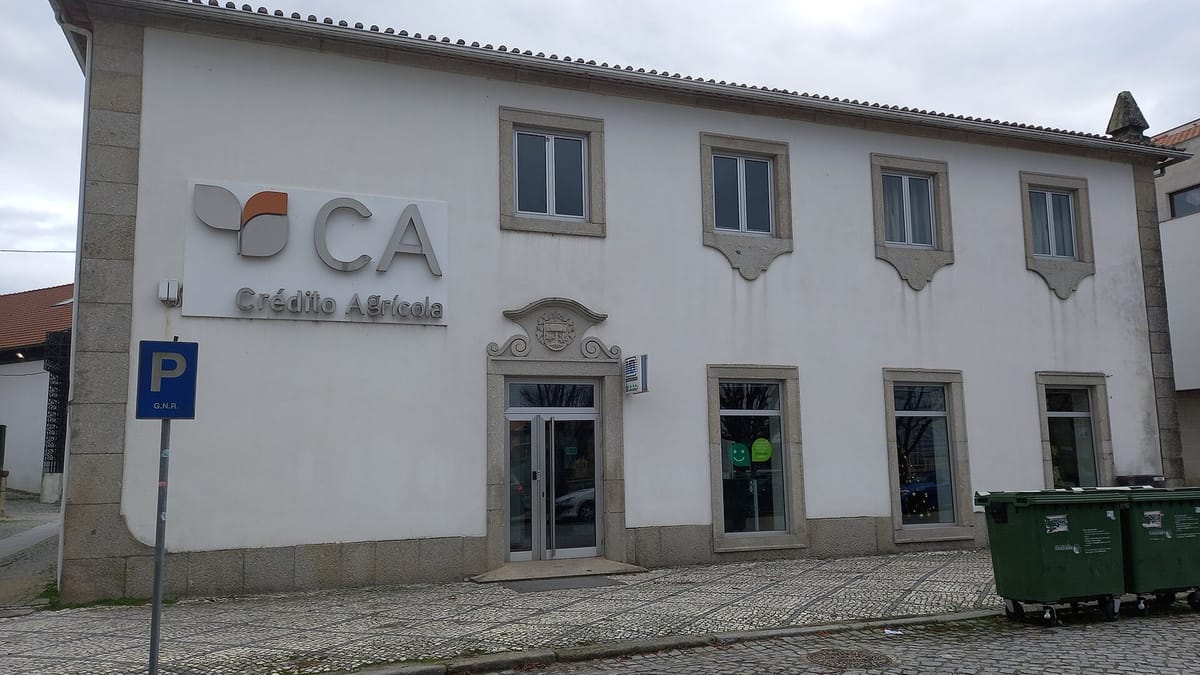
The European Central Bank (ECB) wants lighter supervision for Europe's small banks, and in Portugal that would mostly mean the local cooperative banks of Crédito Agrícola. Of the 91 Portuguese credit institutions on the ECB's latest list of "less significant" entities, 73 belong to the Crédito Agrícola group: 72 local caixas and their central bank, the Caixa Central.
The proposals were set out on Monday by Frank Elderson, vice-chair of the ECB's Supervisory Board, on the ECB's supervision blog. They come from the ECB and the national supervisors together, which in Portugal means the Banco de Portugal (Bank of Portugal).
Who supervises whom
The ECB directly supervises 110 "significant" banking groups across the euro area, according to its list of supervised entities (cut-off date 1 July 2026). Two of them are Portuguese: Caixa Geral de Depósitos and Banco Comercial Português (Millennium bcp). Santander Totta, BPI and Novo Banco are also under direct ECB supervision, through their Spanish parents and, for Novo Banco, a Luxembourg holding company.
Everything else is a less significant institution, supervised day to day by the Banco de Portugal under ECB oversight. The Portuguese section of that list has 93 entries: 91 credit institutions and two financial holding companies. Besides the Crédito Agrícola banks, it includes Caixa Económica Montepio Geral, Banco CTT, Banco de Investimento Global, Banco Finantia, Haitong Bank, Banco L.J. Carregosa and Bison Bank, along with several specialist lenders.
What the ECB proposes
The EU's banking rules already treat some banks as "small and non-complex institutions". At the end of 2025 that covered 75 percent of the euro area's less significant banks, more than 1,400 entities, which report only about 30 percent of the data larger banks do. To qualify, a bank must have total assets of 5 billion euros or less and meet a set of complexity tests.
The ECB proposes three main changes:
- A higher threshold. National authorities would be allowed to raise the asset limit to as much as 10 billion euros, "if they see fit", depending on the size of their own banking sector. The test of complexity would also change: a bank whose resolution plan provides for liquidation would count as non-complex. Together, the ECB says, the changes could bring up to 85 percent of less significant banks into the category, about 150 more banks. Both changes need amendments to EU law.
- Less frequent reviews. Some small, low-risk banks could go two to three years without a full supervisory review and evaluation (the SREP), at the supervisor's discretion. Stress tests in which banks run their own projections would be used only "very selectively"; almost 1,000 small banks still do them now. Neither change needs new legislation.
- Less reporting. A small-bank category in the ECB's financial reporting rules, starting with a public consultation in 2027, would cut the required data from about 13,500 points to around 700. Small banks could also combine their nomination and remuneration committees, and their risk management and compliance functions.
Elderson stressed that this "should not be mistaken for reducing prudential standards", and that depositors in small banks "should be just as confident that their savings are safe" as those in large ones.
What is not yet known
The ECB's list does not give each bank's assets, so it does not show how many Portuguese banks sit between 5 and 10 billion euros and would gain from a higher threshold. If EU law changes, it would be for the Banco de Portugal to decide whether to use the higher limit. The proposals deal with how small banks are supervised and what they report, not with the products they sell, so they have no bearing on what banks pay on deposits. What would change is how much paperwork the supervisor asks for, and how often.