The Competition Watchdog Waves Through Delta's Purchase of the Capsule-Maker Mocoffee
The Competition Authority has cleared Delta's purchase of Mocoffee, an Azambuja maker of Nespresso-compatible private-label capsules, with an inapplicability decision. Delta's parent, Grupo Nabeiro, reported around EUR650 million in revenue last year.
Delta, the coffee brand that fills a large share of Portugal's cups, is expanding its grip on the capsule market — and the competition regulator has decided to stay out of its way. The Competition Authority (Autoridade da Concorrência, AdC) has issued a so-called inapplicability decision on Delta's purchase of Mocoffee, meaning the deal falls below the thresholds that would force a full merger review and can therefore proceed without further scrutiny.
An inapplicability decision (decisão de inaplicabilidade) is the regulator's way of confirming that an operation it was notified about does not actually meet the legal criteria for mandatory control — typically because the target's turnover or market share is too small to raise competition concerns. It is a clean bill of health of the most routine kind: not an approval after investigation, but a finding that no investigation was required in the first place. The transaction had been notified to the AdC on 1 July.
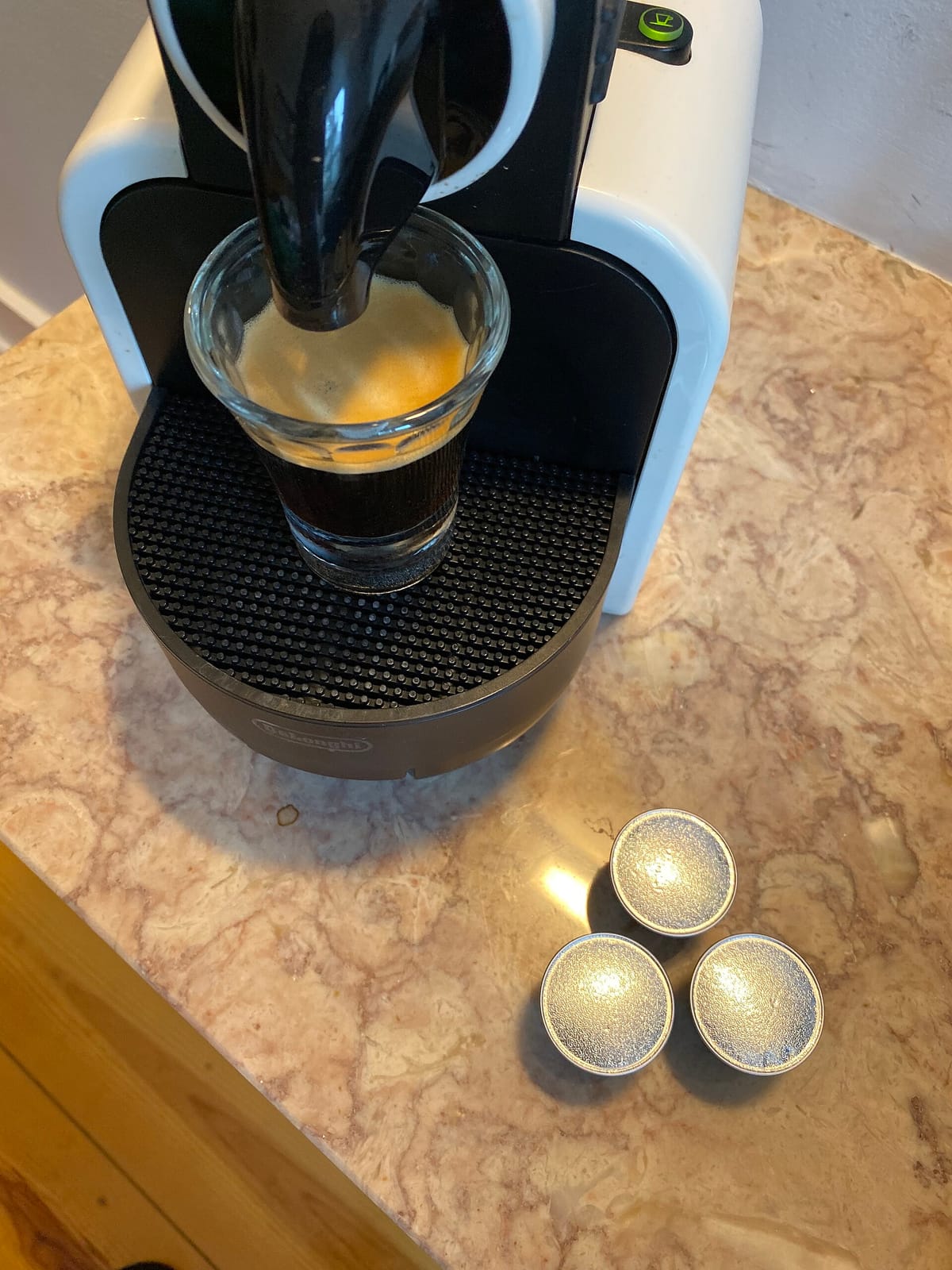
The target, Mocoffee, is a lesser-known name than the buyer but a meaningful one in its niche. Based in Azambuja, north of Lisbon, it manufactures private-label capsules compatible with Nespresso machines — the business-to-business end of the coffee trade, producing the pods that other brands and retailers sell under their own labels rather than marketing directly to consumers. For Delta, absorbing a specialist capsule-maker is a vertical bolt-on: it deepens the group's manufacturing base in the single-serve segment that has reshaped how Europe drinks coffee.
Delta is the flagship of Grupo Nabeiro, the family company founded in the Alentejo border town of Campo Maior by the late Rui Nabeiro, whose name remains synonymous with coffee across Portugal. The group's Delta Q system competes head-on with Nespresso in Portuguese kitchens, and its broader business — spanning roasting, distribution, hospitality and retail — reported revenue of around €650 million last year, up about 12%. Buying a maker of Nespresso-compatible pods lets Delta play on both sides of the capsule divide, selling its own closed system while also supplying the open-compatible market.
The deal is a small piece of a larger consolidation story in a category that has become fiercely competitive. Single-serve capsules command premium margins, and as patents on the original Nespresso design have lapsed, a thicket of compatible and private-label producers has sprung up to undercut the incumbents. Owning the factory floor, rather than outsourcing it, gives a brand like Delta more control over cost, quality and the pace at which it can chase that market.
For consumers, a regulatory nod to one more acquisition in the coffee aisle changes little in the short term — prices and shelves will look much the same tomorrow. But it is a reminder of how much industrial muscle sits behind an everyday ritual, and of how a Campo Maior roaster built on a single café has grown into a group large enough to go shopping for its rivals' suppliers. In a country where coffee is close to a national institution, the quiet arithmetic of who owns which capsule factory is not quite as trivial as it sounds.