The Algarve's Sea Turns Colder Than the North Coast as Summer Upwelling Flips Portugal's Usual Temperature Map
The Algarve's sea is currently colder than the west and north coasts — roughly 18-19°C versus 20-21°C — an inversion of the usual summer pattern. The cause is the 'nortada' wind driving coastal upwelling, which pushes warm surface water offshore and pulls colder water up from the deep.
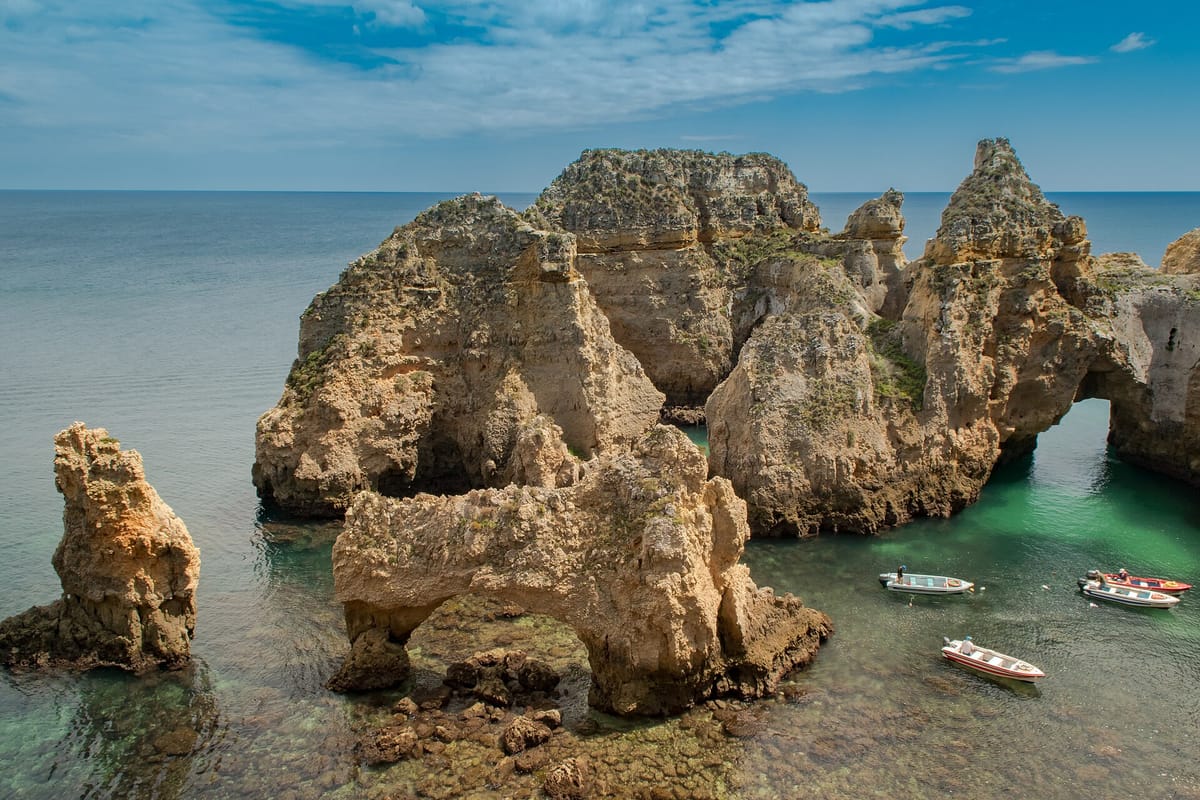
Beachgoers heading to the Algarve this weekend expecting the country's warmest water are in for a surprise: the sea in Portugal's southern holiday region is currently colder than along the western and northern coasts, an inversion of the usual summer pattern. Public broadcaster RTP reported the reversal, with figures putting the Algarve at roughly 18 to 19 °C while stretches of the west coast, all the way up towards the north, sit at around 20 to 21 °C.
It sounds counter-intuitive — the south is far hotter on land — but the explanation lies in the wind rather than the sun.
Blame the nortada
The culprit is the “nortada,” the persistent north-to-north-westerly wind tied to the Azores High that dominates the Portuguese coast in summer. When it blows hard and steadily, it drives surface water offshore; colder water from the depths then rises to replace it, a process known as coastal upwelling. Along the exposed south- and west-facing shores the effect is most pronounced, chilling the shallows even as the air above bakes.
The result this week is the mirror image of what holidaymakers assume. The Algarve, normally blessed with the balmiest bathing water in mainland Portugal, has become the cool spot, while the traditionally bracing beaches further north are comparatively mild. Upwelling is a familiar summer feature of the Portuguese coast, but its strength varies from week to week with the wind, and it is unusual for the gradient to flip so cleanly from south to north.
There is an upside beneath the chill. The same upwelling that cools the water also drags nutrients up from the deep, feeding the plankton that underpins Portugal's rich Atlantic fisheries — part of why the country's waters are so productive. For swimmers, though, the practical note is blunter: the gap between hot air and cold sea can be a shock, and cooler water saps body heat faster than a warm afternoon suggests.
Why it matters
For the millions of residents and visitors who plan a Portuguese summer around the beach, it is a useful heads-up: the warmest sand does not guarantee the warmest sea, and this week the Algarve's water will feel distinctly fresh. More broadly, it is a vivid, tangible illustration of how wind — not just sunshine — governs the temperature of the water at the edge of the country, and of how quickly that can change in the middle of a heatwave.