The 87th Volta a Portugal Sets Off From Lisbon With a Danish Rider in Early Yellow
The 87th Volta a Portugal em Bicicleta opened Wednesday with a 6.5 km Lisbon prologue won by Denmark's Julius Johansen, who took the first yellow jersey. The race runs to 16 August over roughly 1,388 km and ten stages, from Lisbon to Porto, with 119 riders on 17 teams.
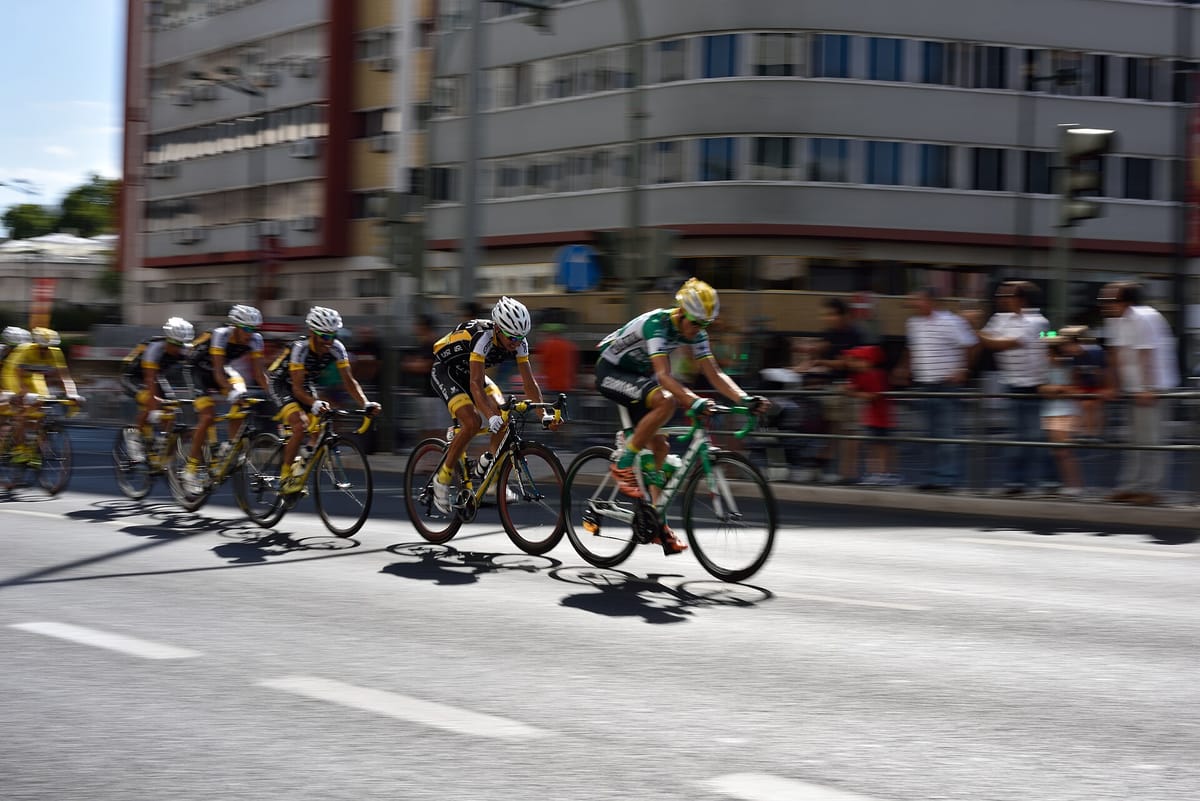
Portugal's biggest bike race is back on the road. The 87th Volta a Portugal em Bicicleta (Tour of Portugal) set off on Wednesday with a short, sharp opening test in the capital — a 6.5-kilometre individual prologue, or contrarrelógio individual (individual time trial), threaded through the streets of Lisbon — and it delivered an early surprise at the top of the standings.
The fastest man against the clock was the Danish rider Julius Johansen, who won the prologue and pulled on the first camisola amarela (yellow jersey) of this year's race. Taking the leader's jersey in a foreign rider's colours on day one sets an intriguing tone for a competition that Portuguese teams and fans regard as their own, and it guarantees a chase over the days ahead as the home favourites look to reel him in.
This year's route is a substantial one. The Volta runs from 5 to 16 August, linking Lisbon and Porto over roughly 1,388 kilometres split across ten stages, a classic south-to-north arc through the Portuguese interior. Wednesday's prologue was merely the appetiser; the racing proper begins on Thursday with the first full stage, a 153-kilometre run from Lourinhã to Sintra that finishes in Queluz, on the northern edge of the Lisbon region.
The peloton is bigger than last year's. A total of 119 riders across 17 teams rolled down the start ramp in Lisbon — eight more riders than lined up in 2025 — a modest but welcome expansion for a race that remains the centrepiece of the Portuguese cycling calendar and one of the most demanding stage races on the domestic circuit anywhere in Europe.
What will decide the overall winner lies in the mountains. Organisers have again built the race around the high ground of the interior, with a summit finish at Torre, the highest point in mainland Portugal atop the Serra da Estrela (Star Mountain Range), and a mid-race time trial that will reward the specialists. There is also an unprecedented double ascent of the fearsome Senhora da Graça climb, a wall of a road above Mondim de Basto that has decided many past editions and now promises to test the general-classification contenders twice over.
The finish, too, carries a novelty. For the first time since 2015, the Volta concludes in the Área Metropolitana do Porto (Porto Metropolitan Area), giving the northern city a closing-stage showcase and a chance to crown the champion on its own roads. It is a deliberate nod to the race's Lisbon-to-Porto framing, bookending the country's two great cities.
For residents and visitors alike, the Volta is more than a sporting event: over ten days in August it turns towns and mountain passes across the country into roadside grandstands, a moving festival that draws crowds to the verges of otherwise quiet roads. With a Dane in yellow and the hardest climbing still to come, the 2026 edition has opened with just enough intrigue to keep the nation watching all the way to Porto.