Talgo Will Pitch Trains That Switch Between Iberian and European Gauge in Its Bid for CP's 504 Million Euro Lisbon to Porto High-Speed Order, Though the Tender Does Not Ask for It
Spain's Talgo will offer CP high-speed trains able to switch between Iberian and European gauge, its CEO says, though the 504 million euro tender for 12 Lisbon to Porto trains neither requires nor rewards it. Alstom is the only rival; the contract is due in early 2027.
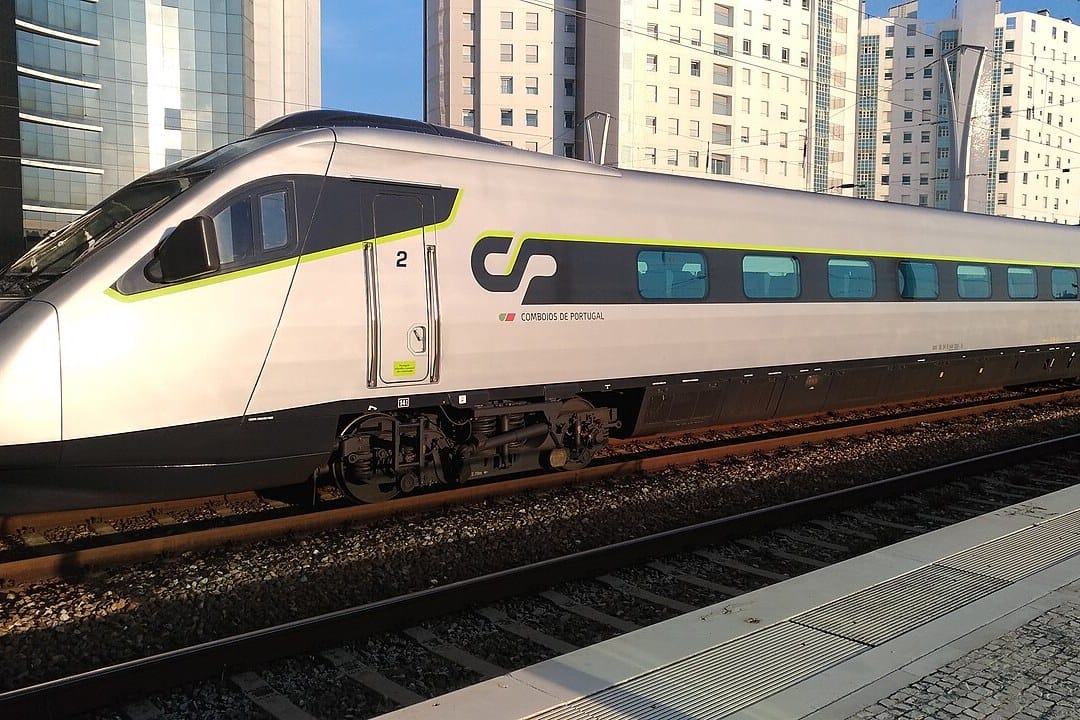
Spain's Talgo, one of the two manufacturers left in the race to build Portugal's first high-speed trains, says it will offer CP (Comboios de Portugal, the state rail operator) trains that can run on both the Iberian gauge used across Portugal's network and the narrower standard gauge used in most of Europe, even though the tender neither asks for that nor awards points for it.
Chief executive Ricardo Chocarro spoke in Madrid on 18 October to Portuguese media including the Lusa news agency, whose report was carried by ECO and Observador.
What Talgo says it will put on the table
Chocarro described the Lisbon to Porto tender as a high-speed contract in Iberian gauge, which he called an "absolute specificity" of the bid, since Iberian gauge is not usual for high-speed trains. Talgo's high-speed trains in Spain already run on both gauges, he said, and its variable-gauge technology lets them move between tracks of different widths without stopping or asking passengers to get off.
"The tender does not require it and the tender does not reward it, but we believe it is a great advantage for Portugal to have that variable-gauge capability, should it decide in future to adopt the European gauge, or should it want to operate in other contexts and other markets," Chocarro said, according to Lusa. "That is what we are going to put on the table."
He also said that because the new high-speed tracks are still being built, the trains will probably have to use lines now served by regional services as well, and that Talgo has developed what he called "multi-track technology". The company plans to build local capacity in Portugal for manufacturing and maintenance, including hiring and training staff, he said, but he gave no figures for the bid price or for any investment.
The tender
CP announced on 22 September that its jury had admitted both applicants after the pre-qualification stage: Alstom (through Alstom Ferroviária Portugal and Alstom Ferroviaria S.p.A.) and Patentes Talgo. Both will be invited to submit bids.
The contract covers 12 high-speed trains, with spare parts and special tools, and an option to buy eight more; that would make 20 trains in all (our arithmetic). The base price is 504 million euros and includes full maintenance by the winner for two years after the first train is delivered. Each train is to have more than 500 seats, with spaces for bicycles and access for passengers with reduced mobility.
When the tender was launched in May, the government said the trains were meant to link Lisbon and Porto in 1 hour 15 minutes. The schedule foresees the contract being signed in the first quarter of 2027 and the first train being delivered in the first quarter of 2031. Bids now have to be submitted and assessed before an award.
Why the gauge matters
Portugal chose to build the new Lisbon to Porto high-speed line in Iberian gauge so that trains could leave it and carry on along the existing network, to places such as Braga, Guimarães or Faro, as each section opens. An explainer published by the previous government, after the first section was launched in January 2024, said the new line uses dual-gauge sleepers, so the rails could later be moved to the 1,435 millimetre European standard while reusing almost all the other materials, once conditions at the Spanish border call for it.
Talgo is betting that a train able to change gauge will count for more with CP than the tender's scoring rules suggest. The Lusa report did not include any comment from Alstom.