Six Months After Storm Kristin, Portugal Has Paid Out Billions but Its Hardest-Hit Towns Are Still Waiting to Rebuild
Half a year after Storm Kristin battered central Portugal on 28 January, insurers have settled 80 percent of housing claims and public aid tops €3.5 billion. Yet only a quarter of the €5.3 billion in damage was insured, businesses in Marinha Grande remain shut, and a labour shortage is stalling the
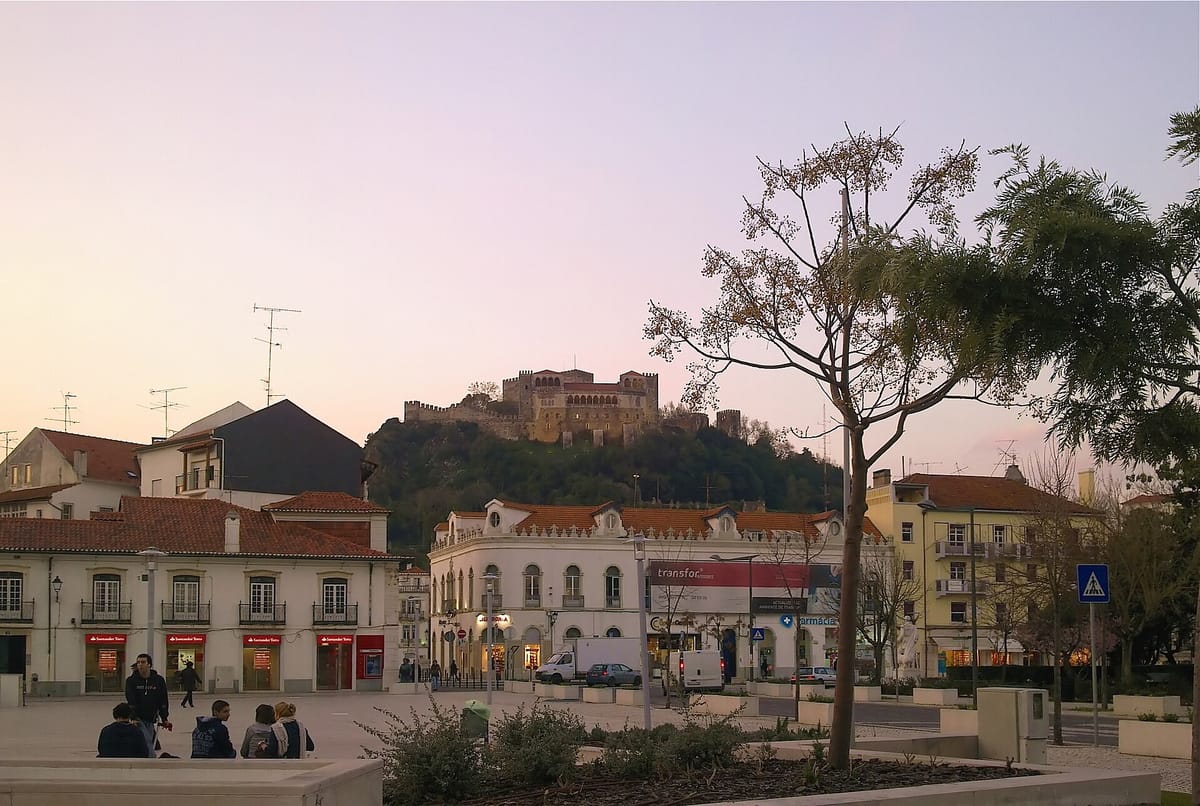
Six months ago today, in the small hours of 28 January 2026, the storm named Kristin tore across mainland Portugal, gusting to 208 kilometres an hour at Soure, in the Coimbra district, and killing at least four people in its first day. Half a year on, the money has started to move but the rebuilding has barely begun — and in the worst-hit corners of the Centro (Central) region, families and factory owners say the help they were promised is arriving slowly, and often in the form of debt.
The scale is hard to overstate. The Estrutura de Missão para a Recuperação da Região Centro (the Mission Structure for the Recovery of the Central Region) counts more than 200,000 homes damaged across 171 municipalities, with Leiria and Marinha Grande at the epicentre. In the Pinhal de Leiria, the historic national pine forest, an estimated eight million trees were felled. Total economic losses have been put at 5.3 billion euros — of which, crucially, only about a quarter was insured.
The insurers pass their test
On the insurance side, the numbers look reassuring. The Autoridade de Supervisão de Seguros e Fundos de Pensões (ASF, the Insurance and Pension Funds Supervisory Authority) reports that roughly 218,000 claims were filed, with insured losses of around 1.4 billion euros. More than 99 percent have now been assessed, about 85 percent are closed, and some 80 percent of residential losses have been paid. Gabriel Bernardino, who heads the ASF, called it "the most demanding test in the recent history" of Portuguese insurance and said the sector had passed it — helped by the fact that about 91 percent of the bill ultimately fell on international reinsurers rather than domestic balance sheets. He is now urging the creation of a national natural-disaster protection scheme, a shared pool linking citizens, companies, insurers and the State against the next Kristin.
The uninsured majority
The problem is the three-quarters of the damage that no policy covered. Here the burden falls on the public purse and on households, and here progress is slower. The government approved a 2.5-billion-euro aid package in early February, but by this month only a fraction had been disbursed: roughly 19,500 of nearly 36,000 applications approved, an average of about 4,284 euros each. Combined public and insurance payouts across families, firms and public services reached about 3.5 billion euros in the first half of the year — real money, but front-loaded into compensation rather than construction.
Paulo Fernandes, who coordinates the Central Region mission, frames the second half of 2026 as "the transition to execution", and there lies the next bottleneck: a shortage of trained builders to actually do the work. On the ground, the frustration is sharper. In Marinha Grande, businesses remain shuttered six months on. The administrator of the mould-maker TJ Moldes, which puts its direct losses at nine million euros and is running at 30 percent capacity, dismissed the state support as "a bluff" and warned that much of it is really a loan — "debt on top of debt". An elderly couple in Carvide are still waiting on 84,000 euros to rebuild the home they lost after more than thirty years.
The clock, meanwhile, is not idle. Across the burn-and-blowdown zones, felled timber still lies in the transition strips between forest and villages, a tinderbox now that the summer heat has arrived — a reminder that a winter storm can hand the following August its own emergency.