Seventy-Two Countries Send Sommeliers to Lisbon in October, and the Portuguese Trade Wants Them Selling Quality Over Volume
The ASI Best Sommelier of the World runs in Lisbon from 11 to 17 October, with competitors from 72 markets and more than 3,500 people expected. Portuguese wine grew 1.1% by volume last year while imports fell 18.4%, and the sector says value is the only route left.
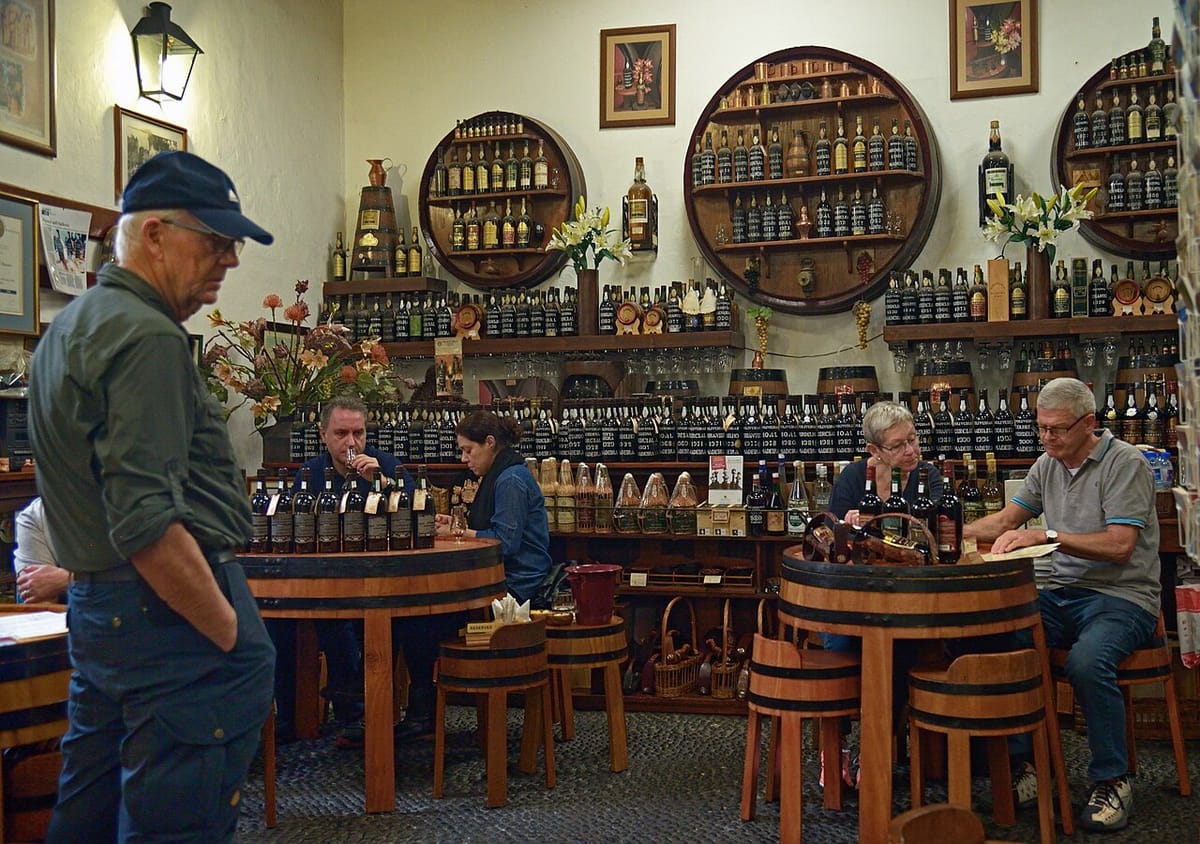
Lisbon will stage the ASI Best Sommelier of the World between 11 and 17 October, bringing competitors from 72 countries and territories to the city for the eighteenth edition of a contest that has run since 1969. The Associação dos Escanções de Portugal (Portuguese Sommeliers Association) is organising it on behalf of the Association de la Sommellerie Internationale, and expects more than 3,500 people through the week.
The contest is held every three years and is the closest thing wine service has to a world championship. Each member country sends one competitor, tested on blind tasting, decanting, food and wine pairing, spirits and spotting deliberately planted errors on a wine list, under time pressure and in front of an audience.
The sales pitch behind the event
For the Portuguese trade the point is less the trophy than the guest list. A week in Lisbon puts several hundred of the people who choose what goes on restaurant wine lists from North America to Asia in front of Portuguese producers.
Tiago Paula, president of the Associação dos Escanções de Portugal, framed the objective bluntly: "We have to think in terms of less volume and showing more quality." The association says the idea was to get Portuguese wine "into as many markets as possible".
That reflects where the numbers sit. Sector data cited by the association show 726 million litres of wine placed on the market last year, counting both domestic consumption and export. Of that, 82 percent was Portuguese and 18 percent imported. Portuguese wine grew by more than six million litres, or 1.1 percent, while imported wine fell by 29 million litres, a drop of 18.4 percent. Wines carrying Denominação de Origem Protegida (Protected Designation of Origin) or Indicação Geográfica Protegida (Protected Geographical Indication) status made up 52.3 percent of the mainland total.
In other words, Portuguese wine is holding its ground at home while imports retreat, but the volume story is flat. Value is where the sector says the growth has to come from, which is the same argument the Instituto da Vinha e do Vinho made in June when it pencilled in a €1 billion export year.
Timing
The event lands in a difficult year for parts of the trade. American tariffs have cost Portuguese wine and olive oil ground in the United States, and the Douro is working through its worst crisis in decades even as a large harvest comes in. A week of concentrated international attention is worth more in that context than it would be in a comfortable year.
The association says this is the second time in almost fifty years that the competition has come to Portugal.
What this means for you
- If you live in Lisbon: expect a busy wine week in the city in mid-October, with trade tastings and side events clustered around the contest rather than a single public venue.
- If you buy wine here: the DOP and IGP share of the market, at 52.3 percent, is a reminder that roughly half of what sells in Portugal carries no origin certification. The certification is on the label if you want it.
- If you work in hospitality: the competition weeks tend to be recruiting weeks. The sommelier association runs the Portuguese qualifying route, and membership is open to working professionals.
- If you are in the wine trade: this is the cheapest access to 72 markets' buyers that Portugal will get this year, and it does not require a flight.
The winner is decided in a public final. Whether the week converts attention into orders is the harder question, and one the sector will only be able to answer next year.