Selling Fake Drugs in the Baixa Is About to Become a Crime in Its Own Right
The government will classify it as a public crime of fraud, which means prosecutors can act without a complaint from the tourist who was sold a bag of pressed bay leaf and has already flown home.
Selling fake drugs in Lisbon is about to become a crime in its own right. The Minister of Internal Administration said on Friday that the government is preparing a change in the law to create a dedicated offence covering the sale of substances passed off as narcotics when they are nothing of the kind.
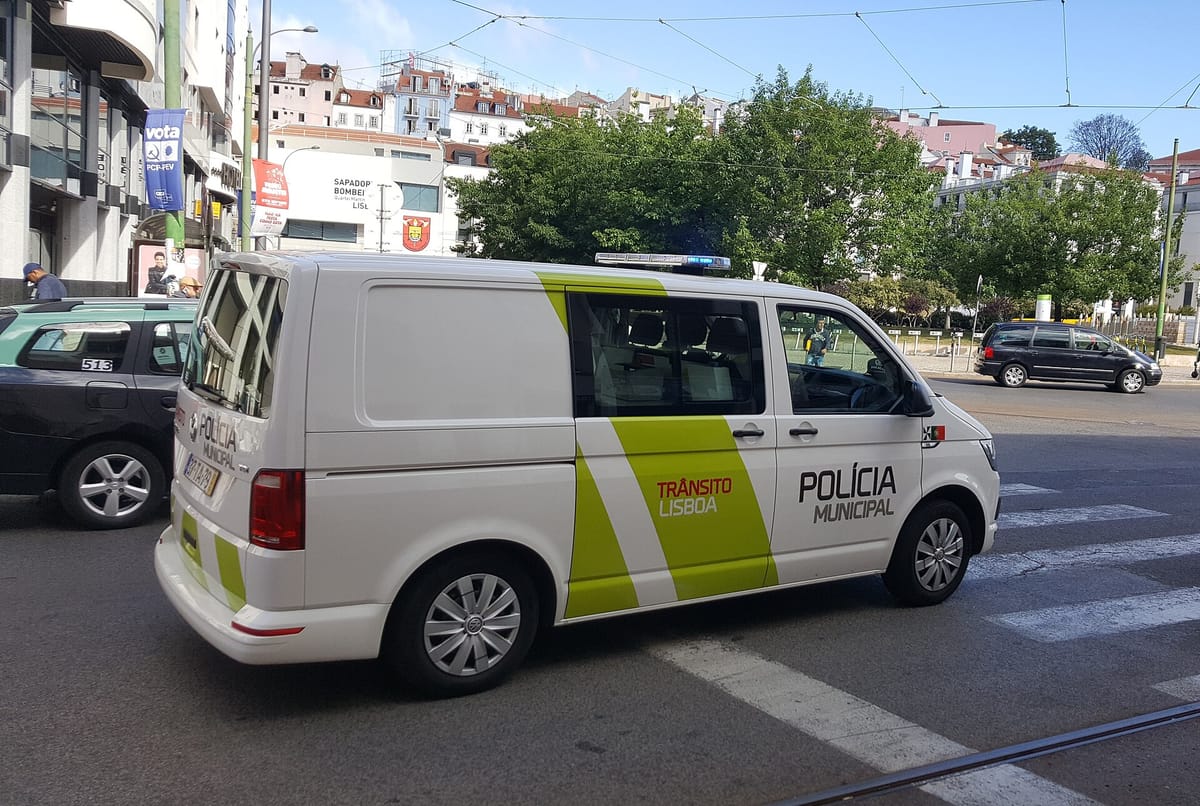
Luís Neves made the announcement at the ceremony marking the 135th anniversary of the Polícia Municipal de Lisboa, with the mayor of Lisbon, Carlos Moedas, present. Moedas has been pressing for exactly this change, and the PSP has argued for it too.
The gap the law leaves open
Anyone who has walked through the Baixa knows the trade. Sellers approach tourists offering cannabis or cocaine and hand over pressed bay leaf, or something similarly harmless and worthless. What they are doing is a fraud, but the current framework treats fraud as a semi-public offence, which in practice means a complaint has to be made and pursued by the person defrauded. A tourist who has been sold a bag of leaves for 50 euros is generally on a plane home before any of that can happen.
The minister's description of the fix is precise. The measure "creates a specific classification of the crime of fraud, as a public crime, directed specifically at this activity, the sale of substances that pass themselves off as narcotics without being so". A public crime in Portuguese law is one the Ministério Público prosecutes on its own initiative, without needing a complaint from the victim.
"This is a legal ambiguity that has been systematically exploited by those who make a business of it, because technically it is not a narcotic substance," Neves said. The activity, he added, "often escapes a clear penal framework adequate to its seriousness", and produces a feeling of insecurity. With the change, he said, the State will have "a penal instrument of its own that unambiguously criminalises this practice and eliminates this grey zone, giving a solid legal basis for intervening in public space".
Moedas welcomed it in blunter terms, saying that as things stand the sellers "are arrested, they get to the police station, and they leave, because it is not a drug".
The wider argument
The minister used the same appearance to restate that narcotics trafficking is "the great Portuguese and European concern", with large volumes of cocaine and hashish moving off the Portuguese coast and a great deal of money moving with it, though he judged that controls have also tightened. He described closer coordination between the security forces, the intelligence services and the armed forces, and drew the familiar line from supply to street crime: more product circulating means more thefts, more robberies and more violent crime, because most of those committing them are users who need a daily dose.
What this means for you
- Nothing has changed yet. This is a stated legislative intention, not a published law. Until a text appears in the Diário da República, the grey zone the minister described is still there.
- If it passes, reporting gets easier. A public crime does not depend on the victim filing and maintaining a complaint, which is the specific barrier that has protected this trade.
- Buying is still an offence. Attempting to buy what you believe to be a controlled substance is not made lawful by the seller's fraud, and possession for consumption remains an administrative offence in Portugal.
- Expect visible policing in the Baixa. The minister framed the change as a basis for intervening in public space, which is a description of street operations rather than investigations.
The PSP's summer figures give a sense of the scale of the real trade behind the fake one: 753 arrests for trafficking and 303,133 doses seized in three months. The fake sellers sit at the end of that chain, selling nothing at all.