Seguro Speaks Out on the Rossio Police Charge as 55 Detained Housing Protesters Face a 6 November Choice Between Paying 150 Euros and Trial
President Seguro said the police charge at the Rossio camp produced images "not normal for a consolidated democracy". The 55 people detained there on 20 October have until 6 November to accept a 150 euro provisional suspension or go to trial.
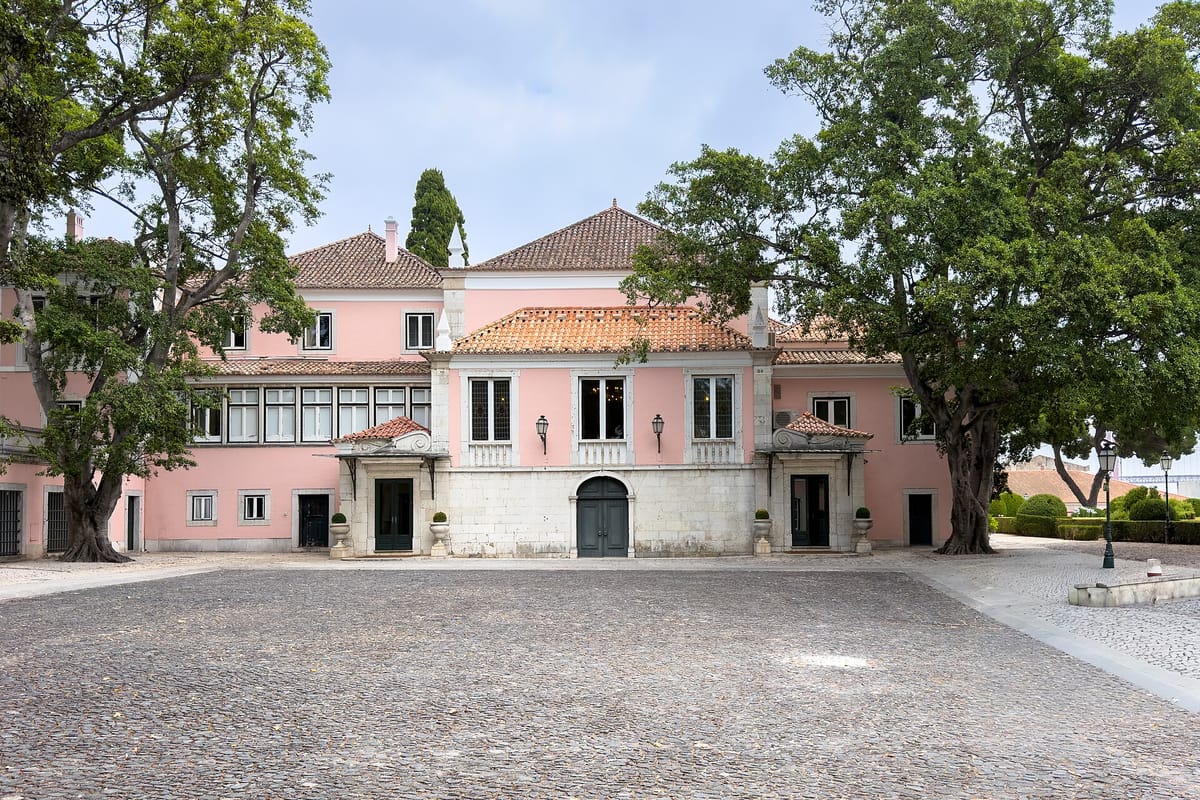
President António José Seguro spoke publicly on Tuesday for the first time about the police operations that cleared the housing-protest camps in Lisbon and Porto, saying "I did not like what I saw" and that these "are not normal images for a consolidated democracy" (quotes translated from Portuguese). On the same day, the 55 people detained at Lisbon's Rossio on 20 October were given until 6 November to decide whether to pay 150 euros to have their case suspended or go to trial.
What the President said
Seguro said he was referring to "the recent images, in particular in Lisbon last Saturday", meaning the operation at the Rossio camp in the early hours of Sunday 25 October, Observador reported. "Law and freedom are not incompatible, quite the opposite," he said, adding that the duty to obey the law "applies to the authorities and to all citizens, including the President", according to Público.
He did not criticise the operation directly, saying inquiries are under way and should be quick. He said he had raised it with Prime Minister Luís Montenegro, and asked the Government, Parliament and the protesters why they could not sit down together. On housing, he called young people "a blocked generation" and said that "at least" two hundred thousand homes are in a condition to be placed on the rental market. He has called the Conselho de Estado (Council of State) for 2 November.
Pay 150 euros or go to trial
The 55 Rossio detainees are suspected of disobedience. Their lawyer, Ricardo Sá Fernandes, told reporters each will decide individually by 6 November whether to accept a suspensão provisória do processo (provisional suspension of proceedings), paying 150 euros to a charity, or face trial, RTP reported. Carmo Afonso, who represents three of them, told journalists her clients would prefer trial because accepting would amount to an "admission" of the offence, Observador reported. Of those detained on 25 October, prosecutors proposed the same route for 27 people in Lisbon, while six people in Porto go on trial on 13 November, ECO reported.
The Prosecutor-General's clarification
Prosecutor-General Amadeu Guerra rejected reports, including our own headline on Monday, that he had challenged Parliament to revise the 1974 protest law. "Contrary to what the media are reporting, I did not challenge Parliament to do anything at all," he said, adding that he is sure Parliament will reflect on it, "not at my request", and that he opposes changing laws "on the whim of the moment", RTP reported.
The Provedora de Justiça (Ombudsman) has asked the PSP's national command urgently for information and documents on the 25 October operations, and the PSP has 10 working days to reply, the Ombudsman's office said. Amnesty International Portugal has condemned what it called excessive and disproportionate force, and Observador reported that one of its observers was injured at the Rossio. The weekend operation is covered in our earlier report.
What it means for you
- Provisional suspension: under articles 281 and 282 of the Código de Processo Penal (Code of Criminal Procedure), it needs the suspect's agreement, can last up to two years, and if the conditions are met the case is closed and cannot be reopened.
- If you are made an arguido (formal suspect): article 61 gives you the right to be told what you are accused of, not to answer questions about it, to a lawyer, and to translation and interpretation.
- Complaints: complaints about police conduct can be filed online with the IGAI (Inspectorate-General of Internal Administration) or with the Ombudsman.