IPO Porto Has Lost Six Anaesthetists, Doctors' Union Says, as the Cancer Hospital Books Pre-Surgery Checks Every 20 Minutes
The Northern Doctors' Union says Porto's public cancer hospital is down six anaesthetists and is cutting consultation time at patients' expense. The hospital admits a shortage, defends 20-minute slots and says operations are up 2.2 percent. What the legal waiting limits are.
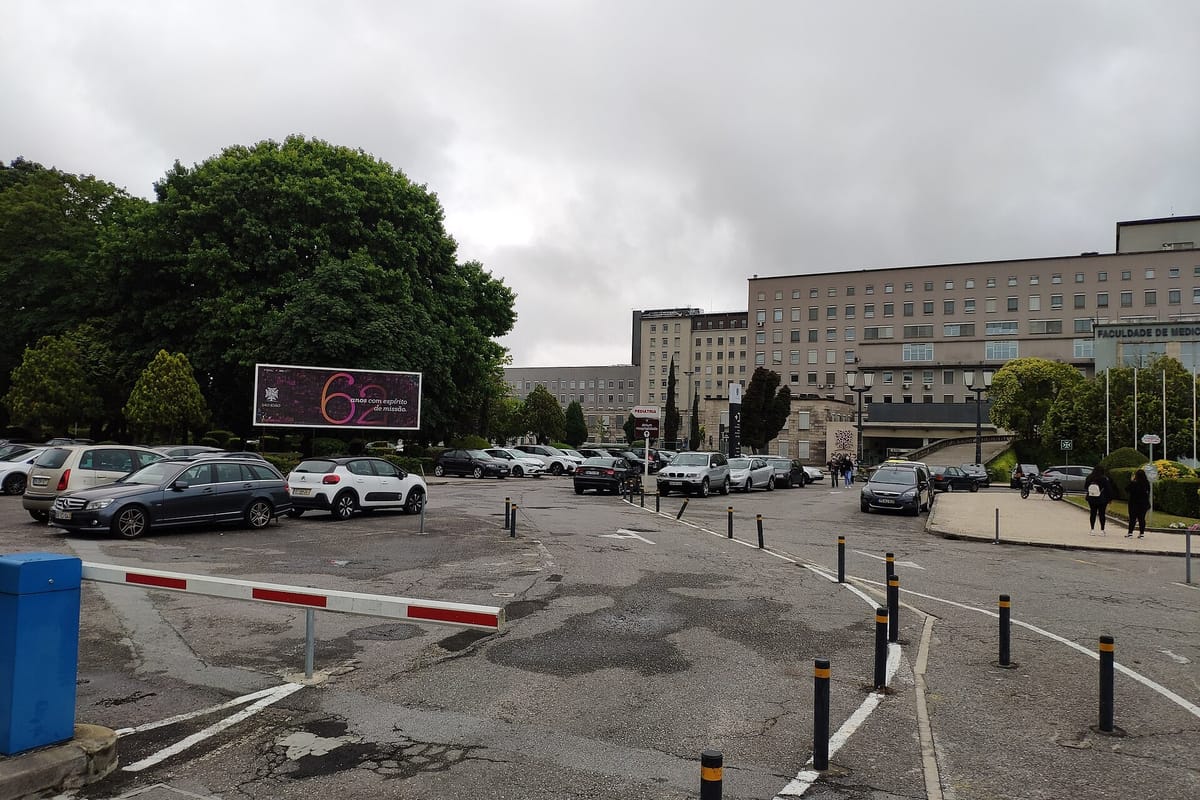
The anaesthesiology department at the Instituto Português de Oncologia do Porto (Portuguese Oncology Institute of Porto, IPO Porto), the north's public cancer hospital, has lost six doctors in recent months, putting patient safety at risk, according to the Sindicato dos Médicos do Norte (Northern Doctors' Union, SMN). The union, part of the Federação Nacional dos Médicos (National Doctors' Federation, FNAM), set out its case in a statement published on 27 October. The hospital accepts that it is short of anaesthetists but says no patient is operated on without a proper anaesthetic assessment.
What the union says
According to the statement, the department now has 27 specialists and faces a growing workload as doctors retire or leave. The six who left are three experienced specialists and three newly qualified ones who trained at IPO Porto and chose other hospitals. Unattractive working conditions make it hard to hire replacements, it says, which limits surgery, tests and treatment.
Its main complaint is that, to see more patients, the pre-surgery anaesthesiology consultation is being shortened, against international recommendations and those of the Ordem dos Médicos (Portuguese Medical Association). It says 23 doctors, most of the department's specialists, wrote to the conselho de administração (board of directors) at the end of September to oppose the change and have had no reply. Cancer patients are often frail with several other illnesses, the union argues, and "patient safety cannot be squeezed into twenty minutes". It is asking the board for an explanation and the health minister to guarantee the pay and working conditions needed to hire and keep these doctors.
What the hospital says
In a reply to the Lusa news agency, carried by RTP, the board said IPO Porto, like most SNS hospitals, faces a shortage of anaesthetists that puts extra pressure on the department, and that it reorganised the operating theatre and the consultation to keep working. It said 9,597 operations were carried out from January to September, 2.2 percent more than in the same period of 2025.
The board confirmed that anaesthesiology appointments have been booked every 20 minutes since 14 September. It said the change was decided by the department's management and the clinical directorate, and follows the European Society of Anaesthesiology and Intensive Care (ESAIC) guidance on early pre-operative assessment: higher-risk patients are first seen by internists in a pre-operative medicine clinic, so the anaesthetist can focus on the anaesthetic assessment. "All patients continue to be assessed by an anaesthesiologist before surgery," it said.
The hospital's account of the departures differs: two anaesthetists left for management posts at other hospitals, one retired and three newly qualified doctors did not stay. It puts the department at 34 doctors, not 27, and has requested three places in the current national recruitment round for new specialists.
What it means for patients
- Waiting time limits still apply. Under Portaria n.º 153/2017 (the ordinance on maximum guaranteed response times), planned cancer surgery in the SNS must take place within 60 days of the decision to operate at normal priority, 45 days for priority cases and 15 days for very high priority; where life is at risk, the limit is 72 hours. Ask your surgical team which priority level applies to you.
- Raising a concern. If you are unhappy with your care, the Entidade Reguladora da Saúde (Health Regulatory Authority, ERS) advises contacting the hospital first, then the public sector's yellow Livro de Reclamações (complaints book) or a complaint straight to the ERS.
Waits beyond these legal limits were already common across the SNS: nearly 87,000 patients were past them by the end of July.