Savannah Completes the Definitive Feasibility Study for Its Barroso Lithium Mine and Turns to Financing
Savannah Resources has completed the Definitive Feasibility Study for its Barroso lithium project in Boticas and Montalegre, projecting a 14-year initial mine life, about 500 permanent jobs and roughly €720 million for the Portuguese state. It now turns to financing and construction.
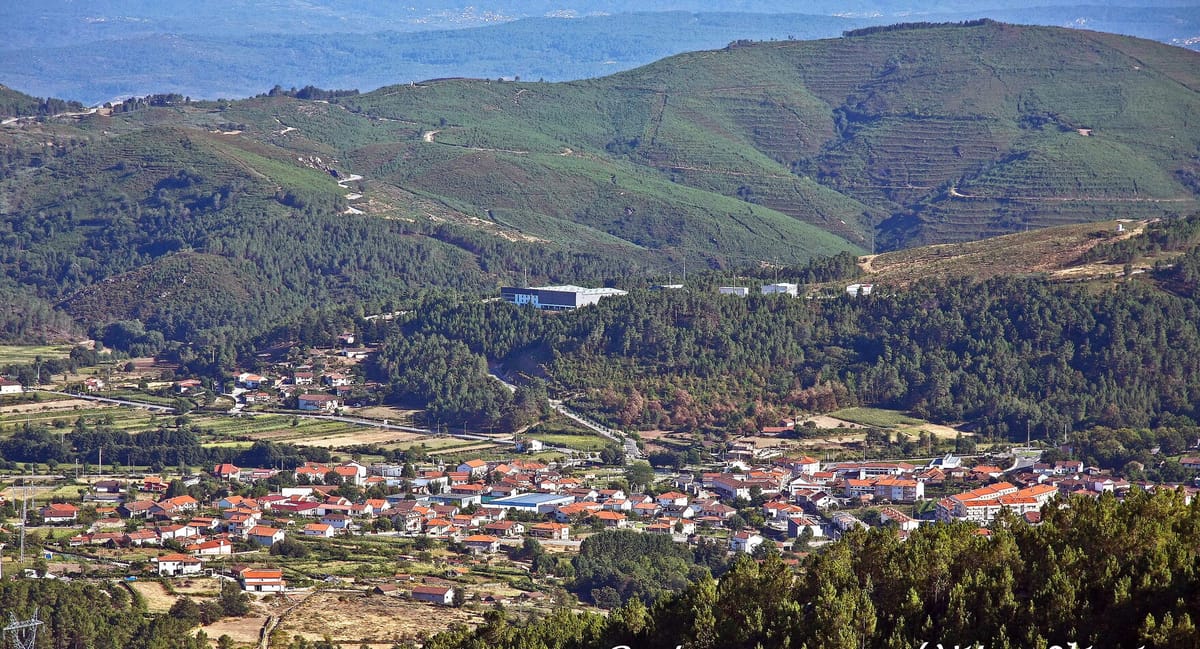
Savannah Resources said on Wednesday that it has completed the Definitive Feasibility Study (DFS) for its Barroso lithium project in northern Portugal, a milestone that clears the London-listed company to move into arranging finance and preparing to break ground on the mine and its supporting infrastructure. The project sits across the municipalities of Boticas and Montalegre, in the Trás-os-Montes highlands of the Vila Real district, and holds what the company describes as Europe's largest hard-rock lithium (spodumene) resource.
"We are very pleased to publish the main results of the definitive feasibility study for the first phase of production," chief executive Emanuel Proença said in a statement, calling it "another very important milestone" and "the culmination of many years of work" that gives the company "a solid base to move to the next phase of development." Savannah says the study confirms the venture's technical, economic, environmental and operational viability and will underpin talks with lenders and offtake agreements with strategic customers.
What the study projects
- A 14-year initial mine life, supported by a probable ore reserve of 20 million tonnes, with the company arguing there is potential to extend operations beyond 40 years.
- About 2.56 million tonnes of spodumene concentrate produced over that first phase — the raw material processed into the lithium used in electric-vehicle batteries.
- Roughly 500 permanent jobs plus more than 1,000 indirect and induced positions, in a low-density interior region that has lost population for decades.
- Around €720 million in taxes, fees and royalties for the Portuguese state over the initial life of the mine.
Savannah also says its projected operating costs place Barroso in the second quartile of the global cost curve, meaning it should be more competitive than more than half of the lithium projects currently in production. For Brussels, the appeal is strategic: the EU's Critical Raw Materials Act sets targets for mining and refining battery metals inside Europe to cut reliance on China, and a working domestic spodumene mine would be a rare European source of supply.
A contested landscape
The technical green light does not settle the politics on the ground. Barroso is a farming region recognised by the UN's Food and Agriculture Organization as a Globally Important Agricultural Heritage System, and local associations have fought the project for years over water, dust and landscape concerns. As recently as 9 June, the Administrative Court of Mirandela (Tribunal Administrativo de Mirandela) suspended Savannah's geotechnical work at the site, one of a string of legal challenges that have shadowed the venture.
With the DFS now in hand, the company's next hurdle is money rather than geology: it must secure construction finance and lock in buyers before any machinery moves. That process will unfold against continued opposition and a volatile global lithium price that has swung sharply in recent years. For Portugal, the promise is a foothold in Europe's battery supply chain and hundreds of jobs in an emptying interior; the unresolved question is whether the state can reconcile that industrial ambition with the environmental and community objections that have dogged Barroso from the start.