Reinvest Your Home Sale in a Ruin and the Fisco Says No: the Finance Ministry Backs Two Narrow Readings of the Capital-Gains Relief
Asked by Iniciativa Liberal whether the tax authority is adding requirements the IRS Code never wrote, the Finance Ministry says it is not. A property in ruins cannot be your permanent home on the day you buy it, and a house you also work in is not exclusively housing.
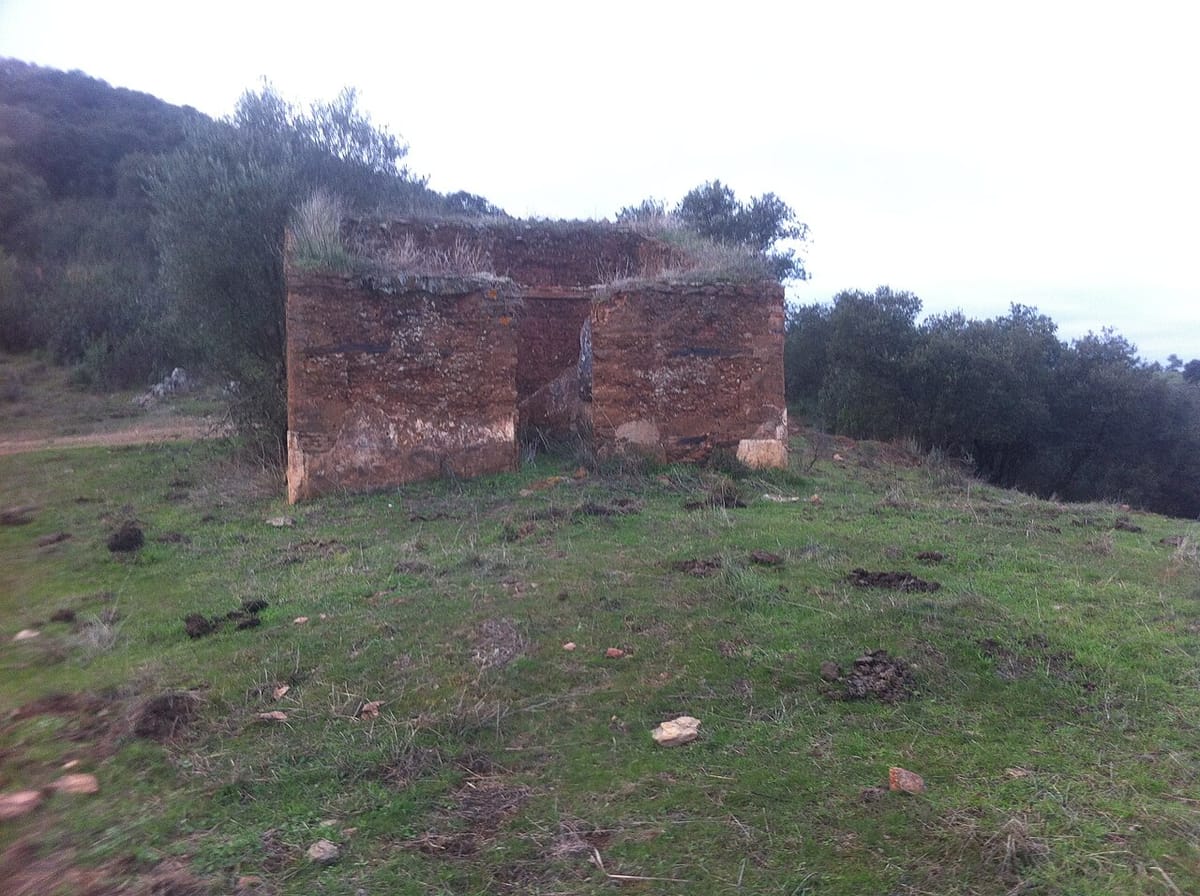
Sell your main home in Portugal, put the money into a ruin you intend to rebuild, and the tax authority will not count it as reinvestment. The Ministry of Finance has now been asked whether that reading is lawful, and it has answered that it is.
The reply, reported by ECO, went to parliament in response to a question from Iniciativa Liberal about two binding rulings the Autoridade Tributária (Tax Authority) issued on the capital-gains exemption in Article 10 of the IRS Code. The ministry, led by Joaquim Miranda Sarmento, says the AT acted inside its powers in both, while conceding that the regime "may come to be clarified or improved" if practice shows the need.
The two rulings
The ruin. A taxpayer sold their permanent home and planned to use what was left after repaying the mortgage to buy an urban building classified in the register as "outros (ruína)", with the intention of carrying out works to turn it into their new permanent home. Crucially, the taxpayer said they wanted to count only the purchase price as reinvestment, not the future building costs. The AT refused. Since the property was a ruin, it reasoned, it could not, "for obvious reasons", serve as a permanent own dwelling and tax domicile at the moment of acquisition, so its acquisition value could not be accepted.
The home office. A lawyer had lived in and been tax-domiciled at a property since 2019 while practising there. The unit had originally been designated for "serviços"; in 2026 the Land Registry reclassified it as "habitação", but the change had not yet reached the AT's own records. The AT concluded that because part of the property was given over to professional activity, it was not exclusively assigned to permanent own housing, and one of the legal preconditions therefore failed.
What Iniciativa Liberal argued
The liberals put two points to the government. First, that the IRS Code does not appear to require the property bought to be immediately habitable, since it expressly allows reinvestment in "land for construction and the respective construction". If a bare plot qualifies, they asked, why not a roofless building. Second, that excluding a genuine permanent home from the relief merely because it is not used exclusively for that purpose imposes a requirement the legislature did not write, at a moment when a large share of the workforce works from home at least part of the week.
The ministry's answer runs on the principle of legality. The AT is bound by it, cannot establish conditions or requirements that do not follow from the law, and must interpret tax rules according to the criteria in the Lei Geral Tributária and the Civil Code. The binding rulings, it says, were issued on the specific facts each applicant presented, and from them "no new legal requirements result nor can result". In other words, the government does not accept that the AT added anything; it says the AT applied the existing conditions to the facts in front of it.
How much of this is settled
Less than the headline suggests, and the ministry says so itself. Its reply does not hold that buying a ruin is always ineligible. It stresses that the case examined had specific contours, notably the taxpayer's own statement that only the acquisition would be claimed, and that the classification made in that file cannot be automatically extrapolated to other situations. That leaves room for a differently framed reinvestment, one that claims the purchase and the works together, to be treated differently.
There is also higher authority pointing the other way. In April the Constitutional Court overrode the tax authority on mais-valias in Acórdão 330/2026, widening the reinvestment exemption. The mixed-use question is not new either: we covered the same reasoning in July, when the AT held that working from home could cost you the exemption on sale.
If you are selling a main residence and reinvesting, the practical lessons are narrow but concrete. State the reinvestment to include the construction or improvement works, not only the purchase, where the law allows it. Make sure the AT's records, not just the Land Registry's, show the property as housing. And read the reinvestment rules before you sign, not after: the mechanics, the deadlines and the Anexo G filing are set out in our guide to selling property in Portugal, alongside the wider property tax picture for residents and foreign owners.