Prosecutors Charge Albufeira's Chega Mayor With Inciting Hatred Over Roma Housing Remarks
The Ministério Público has charged Rui Cristina, the Chega mayor of Albufeira, with discrimination and incitement to hatred and violence over remarks about the town's Roma community at a November assembly debate on housing. He says he feels persecuted; the case followed a police search of the town h
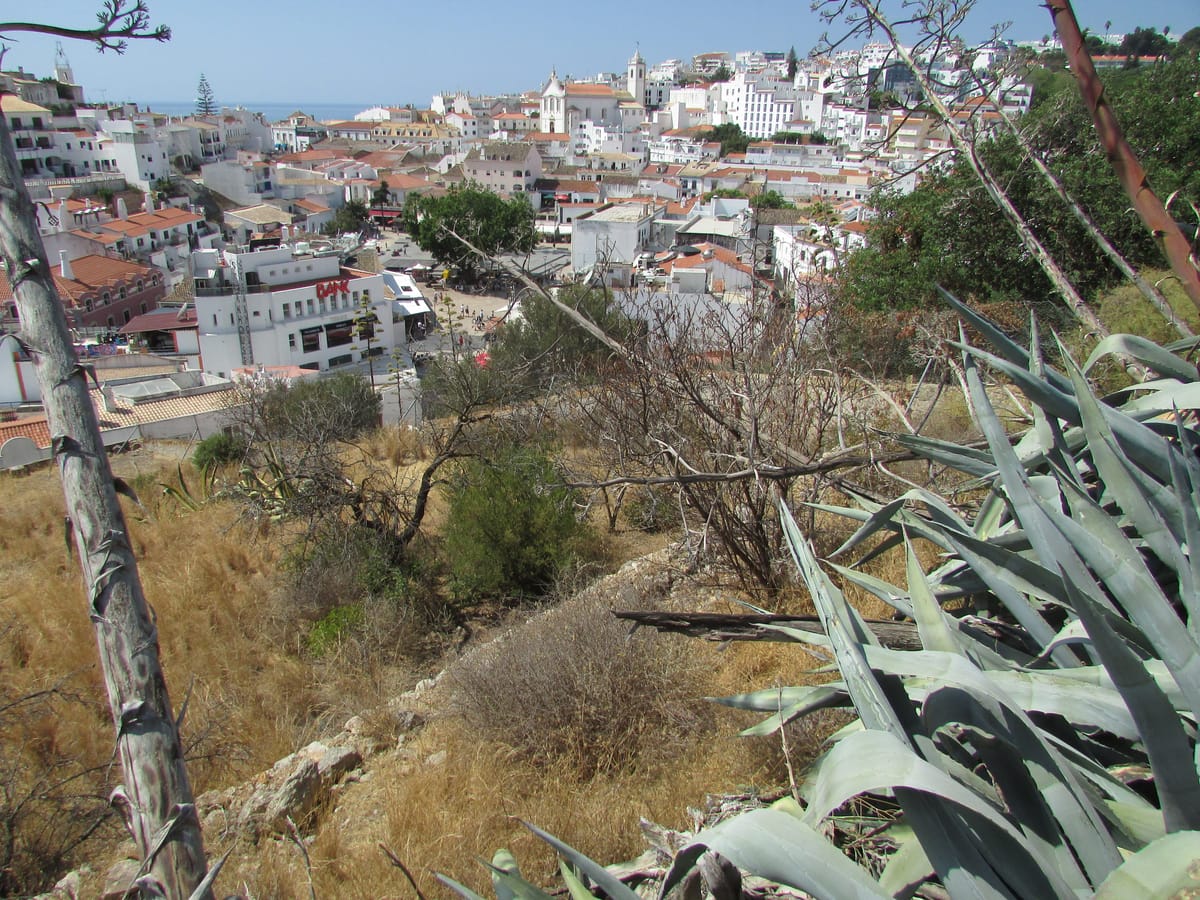
Prosecutors have formally charged the mayor of Albufeira, one of the Algarve's busiest tourist towns, with discrimination and incitement to hatred and violence — a rare criminal accusation against a sitting autarca, and one aimed squarely at remarks he made about the town's Roma community. The Ministério Público, working through its regional office in Évora, says Rui Cristina, elected under the Chega banner in October 2025, acted with intent to offend a community's honour and to stir up aversion and hatred against it.
The charge traces back to a meeting of Albufeira's Municipal Assembly on 26 November 2025. During a debate on housing and the use of municipal land, Cristina said that, by his own choice, the council would not spend its housing money on the local Roma (cigana) community. Those words, prosecutors contend, crossed the line from political opinion into the criminal territory mapped out by Article 240 of the Penal Code, which punishes discrimination and incitement to hatred on grounds including race and ethnic origin. The case gathered pace after the Polícia Judiciária searched the town hall in March, and it began with a complaint lodged by Helena Palhota Simões, a Social Democrat (PSD) member of the assembly.
Cristina has cast himself as the target rather than the offender. He says he feels "persecuted" by the prosecution service and has questioned the unusual speed with which the case has moved — a pointed contrast, his allies note, with the years many Portuguese investigations take to reach a charge. An association that works on Roma inclusion has signalled it wants to join the proceedings as an assistente, a formal role in Portuguese criminal cases that lets a victim or interested party help steer the prosecution alongside the state.
The accusation lands at a politically charged moment. Chega, the hard-right party that has surged to become one of the largest forces in Portuguese politics, built much of its appeal on tough talk about immigration and minorities, and its local officials have repeatedly tested the boundaries of acceptable public speech. A hate-speech charge against one of its mayors — in a town whose economy runs on foreign visitors and a large resident community of migrants and expatriates — is the kind of case that will be read as a marker of how far that rhetoric can legally go.
It is worth stressing what a charge is and is not. In Portugal, an acusação means prosecutors believe there is enough evidence to bring someone to trial; it is not a conviction, and Cristina is entitled to the presumption of innocence and to contest the accusation before a judge. The next step is typically an instrução phase, if the defence requests it, in which an investigating judge decides whether the case should proceed to trial at all.
For residents of the Algarve, the significance runs beyond one politician's legal troubles. The case tests whether the law treats incitement to hatred as a real crime when the words come from an elected leader, and it puts a spotlight on how a fast-growing tourist municipality governs — and speaks about — the different communities that live within it. Whatever the courts ultimately decide, the charge is a reminder that political speech in Portugal is not without limits, and that those limits can reach the mayor's office.