Portugal's Workplace-Death Rate Still Tops the EU Average as the ACT Rolls Out a Two-Year Safety Strategy
The labour inspectorate told parliament that too many workers still die on the job, unveiling a 2026-2027 plan that leans on training, small-firm outreach and a sharper focus on construction sites.
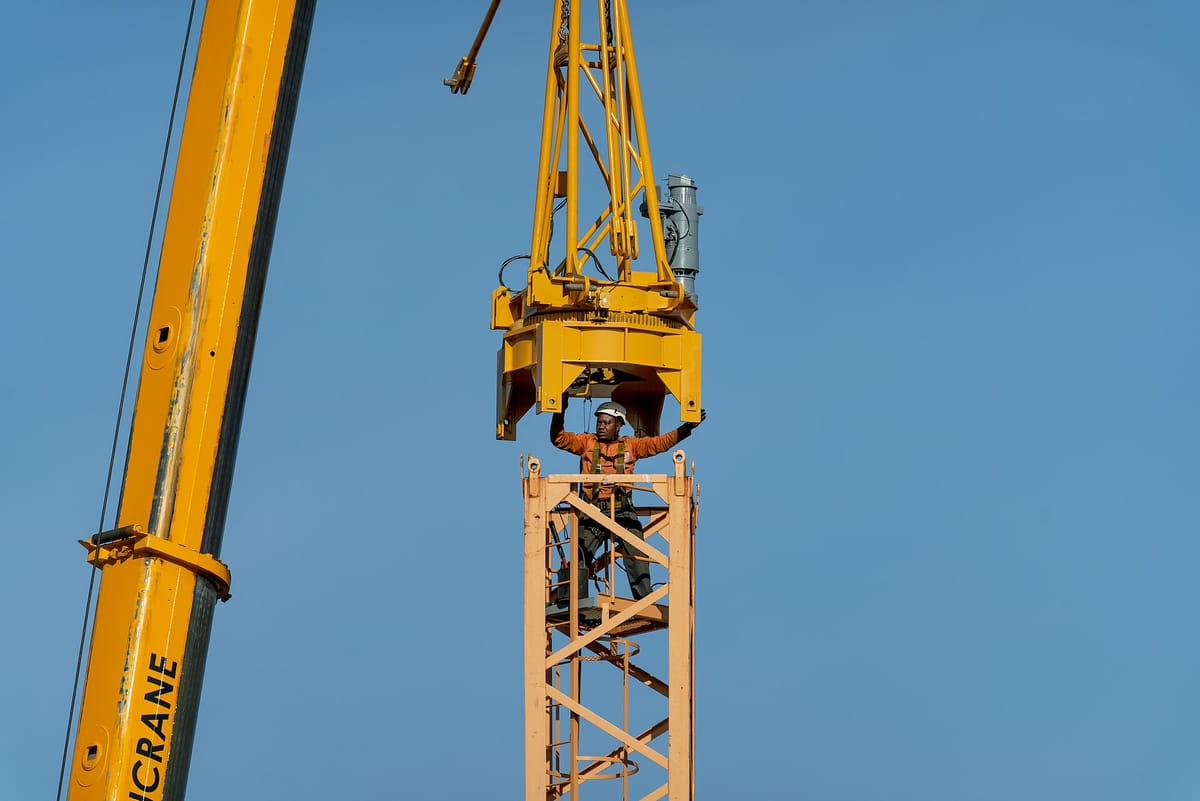
Too many people in Portugal still leave for work and do not come home. That was the blunt message the country's labour inspectorate carried to parliament on Tuesday, as it set out a two-year plan to bring down a fatal-accident rate that remains stubbornly above the European Union average.
Maria Fernanda Campos, inspector-general of the ACT (Autoridade para as Condições do Trabalho, the Authority for Working Conditions), defended the new National Strategy for Occupational Safety and Health 2026-2027 as essential to preventing deaths on the job. She told deputies the goal was to guarantee "safe and firm steps toward a more deeply rooted safety culture" — an admission that the problem is as much about habits and enforcement as it is about rules.
Where the danger concentrates
The strategy trains its attention on the sectors and firms that account for the worst of the toll. Construction, which consistently records the highest rate of serious accidents, will draw a sharper share of inspections. Micro and small enterprises — the backbone of the Portuguese economy, and often the least equipped to run formal safety programmes — are the target of dedicated prevention and training measures. The plan also folds in a review of the national qualifications catalogue so that safety competencies are taught before workers ever reach a site.
To measure itself, the ACT set a first evaluation checkpoint for the end of October 2026 and attached a budget of around €600,000 to implementation. In the run-up to the strategy, the authority says it has already run 158 awareness actions reaching 4,443 participants.
A gap Portugal has struggled to close
The numbers behind the urgency are familiar. Portugal recorded 120 fatal workplace accidents in 2024, an 11.8% improvement on the prior year but still a figure that leaves the country worse than the EU norm on deaths per worker. Progress on fatalities has come even as total reported injuries edged higher, a mix that suggests the most serious incidents are falling faster than the everyday ones.
The inspectorate has been visible on the safety beat this year. During July's 42°C heatwave it leaned on existing labour law to remind roughly 200,000 employers of their duty to protect outdoor and indoor workers from extreme heat, and it is now running a joint Iberian campaign with Spain on how a warming climate is reshaping working conditions.
The enforcement question
The strategy's success will hinge on whether outreach and inspection can reach the small, informal workplaces where the rules are most often ignored and where a single fall or crush can be fatal. A €600,000 budget and a few hundred awareness sessions are modest tools against a problem measured in lives, and unions have long argued the ACT is stretched too thin to police the country's building sites and industrial units.
What the plan does offer is a scorecard and a deadline. By late October, Portugal will have its first read on whether the latest push is bending the curve — or whether the country's persistent gap with the rest of Europe is proving harder to close than another two-year strategy can manage.