Portugal's Work-Visa Green Lane Nears 12,000 Visas as Farmers Ask to Bind Recruits to Their First Employer for Up to a Year
About 12,000 visas have gone through the regulated labour migration protocol, Observador reports, and the government is studying a farmers' request for a six-month or one-year minimum stay with the recruiting employer.
Portugal's fast track for hiring workers from outside the EU has now issued about 12,000 work visas from 21,600 requests, and the government is studying a request from farmers to bind each recruit to the employer who brought them in for a minimum of six months or a year. Both details come from government figures and interviews published on Sunday in an Observador special report on the government's ambition to make Portugal the "gold standard" of immigration control.
What the green lane is
The scheme is the Protocolo de Cooperação para a Migração Laboral Regulada (Cooperation Protocol for Regulated Labour Migration), known as the "via verde" or green lane. AIMA, the immigration agency, says it took effect in April 2025 and creates no new type of visa: it speeds up the existing work visa for people recruited abroad with a job contract. Employers that sign up must offer a valid Portuguese contract, training and Portuguese lessons, and show that suitable housing exists so the hiring does not add to housing pressure in the region. The consulate must decide within 20 working days of the in-person appointment once all opinions are in.
How fast it has grown
On 27 May the Minister of the Presidency, António Leitão Amaro, told MPs that 8,435 visa requests had been made under the protocol and 5,883 visas granted at 40 consular posts, according to the government. The figures given to Observador put the total at about 12,000 visas, with an average processing time of 20 days.
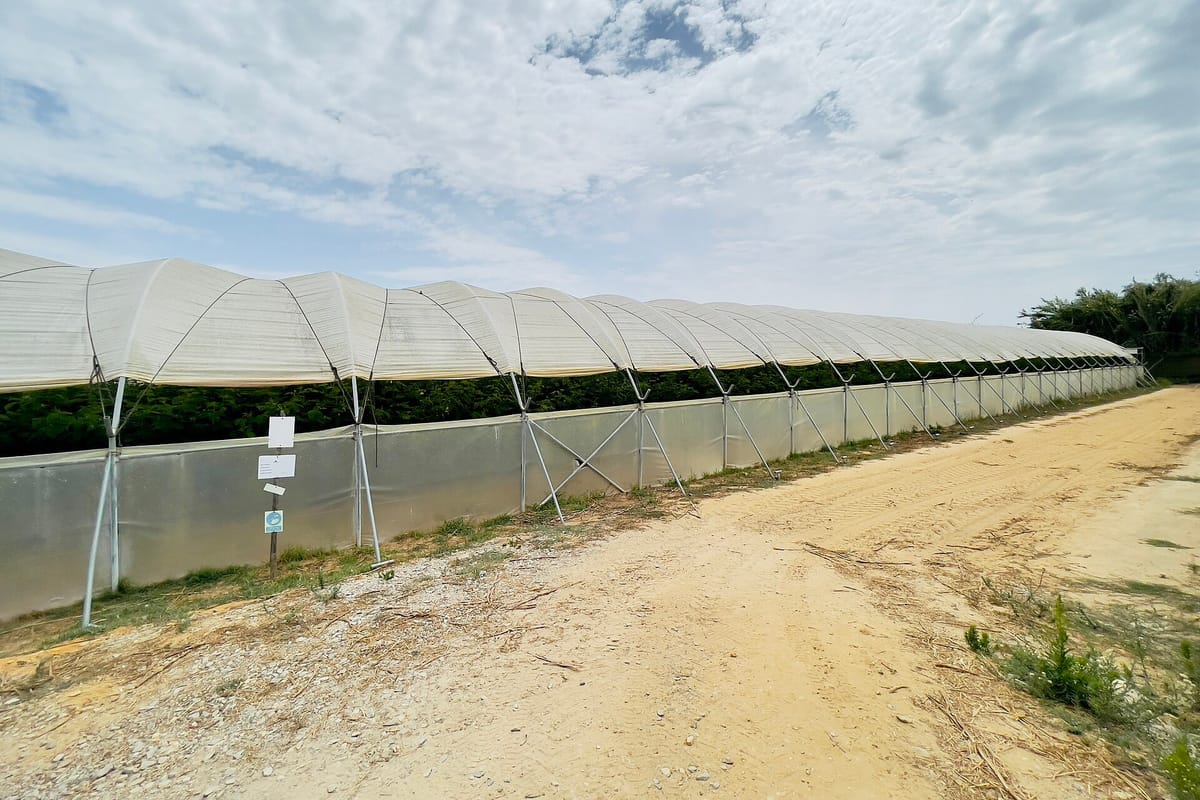
The Confederation of Portuguese Farmers (CAP) told Observador that agriculture accounts for 7,200 of those visas, level with construction as the biggest user, but that about 10,000 farm requests have been refused. It blamed early recruitment problems and said consular interviews had picked up criminal-record issues in some cases.
The obstacles employers name
- Workers moving on. CAP says nothing obliges a recruit to stay once the employer has paid to bring them over, and many move to other sectors. It has asked the Secretary of State for Immigration, Rui Armindo Freitas, for a six-month or one-year "fidelização" (a minimum stay with the first employer). Observador reports the government is studying it.
- Housing. The hotel association AHP calls the housing guarantee the most critical point in cities. CAP says some firms drop out because they cannot offer housing, and wants temporary worker accommodation units, now allowed only in the southwest Alentejo and the Costa Vicentina, permitted elsewhere.
- Social security delays. According to CAP, delays of more than a month in registering new workers stopped employers paying wages, and Social Security has since recommended that they be allowed to start work before the number is issued.
What it means for you
None of these changes is law yet. A worker who arrives through the green lane today is not tied to the recruiting employer by any rule. If a minimum stay is added, it would most likely apply to new recruits, but no draft has been published. Anyone hiring or being hired through the protocol should read AIMA's FAQ, which sets out the employer's checks and obligations.
Next on the government's list, Observador reports, is a National Integration Plan it has promised to approve in November, covering schools, health, councils and access to documents. For how legal hiring from outside the EU works, see our report on the São Tomé construction recruitment, and for the wider picture, the OECD's figures on 2025 immigration.