Portugal's Weekly Basket of Essential Goods Slides €5.17 to €251.29 in the Year's Sharpest Drop
A basket of 63 essential goods tracked by DECO PROteste fell €5.17 this week to €251.29, its sharpest drop of 2026. It is now €11.34 cheaper than a year ago, though still €63.59 above January 2022. Broccoli, coffee and sliced bread bucked the trend and rose.
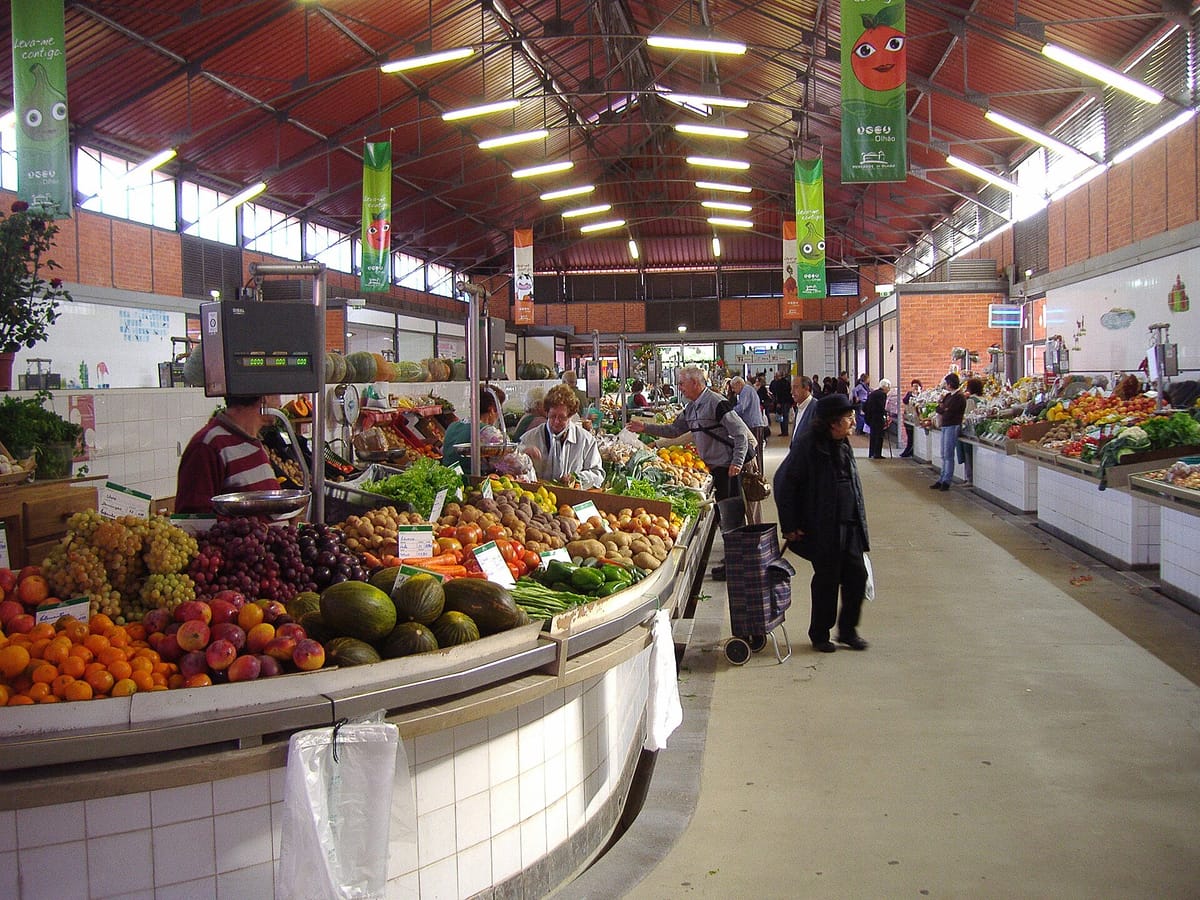
The cost of filling a basic shopping basket in Portugal has fallen at its fastest weekly pace of the year. A standard basket of 63 essential goods tracked by DECO PROteste (the country's main consumers' association) dropped €5.17 over the past week to €251.29, the steepest single-week decline recorded in 2026 and the latest sign that food-price pressure is easing after a punishing few years.
The basket — a fixed list spanning meat, fish, frozen goods, fruit and vegetables, dairy and store-cupboard groceries — is checked each week across major supermarkets, and its movements have become a closely watched proxy for how the cost of living is shifting at the till. This week's fall extends a broadly downward trend that has taken the basket to its lowest point in months.
Set against a year ago, the relief is clearer still. The basket is now €11.34 cheaper than it was at the same point in 2025, a drop of 4.73 percent, and €9.46 below where it stood at the start of January, down 3.91 percent since the turn of the year. After a long stretch in which grocery bills climbed relentlessly, prices are finally moving in shoppers' favour.
The longer view, though, is a reminder of how much ground was lost. Compared with January 2022, before inflation surged across Europe in the wake of the pandemic and the war in Ukraine, the same basket is €63.59 more expensive — a 33.88 percent increase in three and a half years. This year's declines are chipping away at that jump, not erasing it, and for many households the weekly shop still feels dramatically dearer than it did before the cost-of-living crisis took hold.
Nor is every item falling. Even in a week of sharp overall decline, some staples rose. Broccoli climbed 12 percent to €3.40, roasted ground coffee rose 10 percent to €4.93, and a loaf of sliced bread was up 9 percent at €2.55. The averages that make up the headline figure mask a churn of individual price moves, some seasonal, some tied to harvests and global commodity costs, that can pull a shopper's own bill in different directions depending on what lands in the trolley.
The easing is consistent with the wider inflation picture. Headline price growth across the euro area has cooled from the double-digit peaks of 2022, and food inflation in particular has slowed as energy costs have retreated and supply chains have settled. The European Central Bank's turn away from the emergency-high interest rates of recent years reflects that shift, even if the pass-through to everyday prices has been gradual.
For consumers, the practical takeaway is modest but real: the trajectory of the weekly shop has turned, and a basket that seemed to know only one direction is now, more weeks than not, getting cheaper. DECO PROteste's tracker will show whether this week's record drop is a one-off, driven by a favourable run of promotions and produce prices, or the continuation of a slower, steadier normalisation that gives Portuguese households a little more room at the end of the month.