Portugal's Taxis Will Charge a 2.05 Euro Flag Fall and 60 Cents a Kilometre in 2027, With Meters Due to Switch by 21 January
The transport regulator has set 2027 taxi prices above the transitional figures in October's rules: 2.05 euros to start, 0.60 euros a kilometre and 0.37 euros a minute by day. Meters must switch by 21 January; check the fare sticker in the rear window.
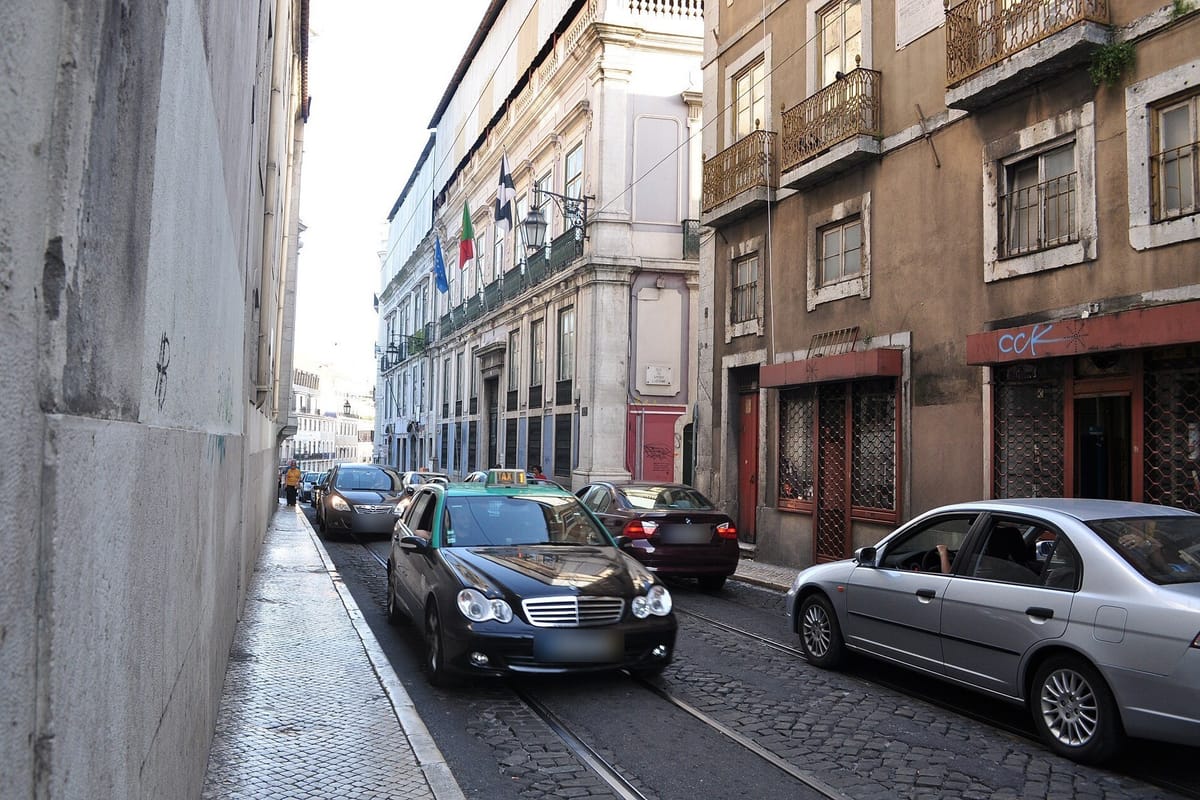
Portugal's transport regulator has set the taxi prices that will apply in 2027, and they are higher than the transitional figures written into the new fare rules in October. The board of the Autoridade da Mobilidade e dos Transportes (Mobility and Transport Authority, AMT) decided on 29 October that a standard taxi will charge a flag fall (bandeirada) of 2.05 euros, plus 0.60 euros a kilometre and 0.37 euros a minute on weekdays by day.
The national fare model itself is not new. As we reported on 14 October, Regulation 1324-A/2026 charges distance and time together over the whole ride and gave operators 90 days to reprogramme their meters. That regulation listed first-year prices of 2 euros, 0.58 euros a kilometre and 0.28 euros a minute. The new decision replaces those figures with the 2027 values before most meters have been changed.
The 2027 prices
The AMT's statement of 30 October sets these values for trips with up to four passengers:
- Flag fall: 2.05 euros, with no distance or time included.
- Distance: 0.60 euros a kilometre at all hours.
- Time: 0.37 euros a minute on weekdays from 07:00 to 22:00; 0.46 euros on weekday nights; 0.56 euros on weekend and public holiday days; and 0.65 euros on weekend and holiday nights.
When more than four passengers actually travel, the flag fall is 4.11 euros and distance costs 0.75 euros a kilometre, with the same per-minute prices. A larger vehicle carrying four people or fewer charges the standard fare.
The AMT based the flag fall and distance price on the September 2026 consumer price index excluding housing, a rate of 2.66 percent, and the time price on the expected rise in the national minimum wage to 970 euros. It says it set the 2027 values now so that meters are reprogrammed and checked once, rather than twice.
As an illustration of our own, a 10 kilometre weekday daytime trip lasting 20 minutes would cost 15.45 euros on the 2027 prices, against 13.40 euros on the transitional figures published in October.
Higher per-kilometre price where demand is thin
The regulator also approved a separate, temporary fare for areas with low and scattered demand: the same 2.05 euro flag fall and 0.37 euros a minute, but 1.19 euros a kilometre. It is meant for places where taxis cover more empty kilometres, and lapses once the local transport authority (the municipality, intermunicipal community or metropolitan area) approves its own fares. The AMT's statement does not list which areas will use it.
When it applies, and what to check
Meters must be adapted by Thursday, 21 January 2027. According to the AMT's statement, a taxi may charge the 2027 prices as soon as its meter has been reprogrammed, so for the next few weeks fares may differ from car to car.
- Look at the rear left side window. Every taxi must display a printed fare sticker there, in Portuguese and English, showing the flag fall, the four time bands, the distance price and any special fare. The AMT has published the model.
- Check the extras. The only supplement is 0.80 euros for a taxi booked by phone or in advance. Motorway tolls are added on top of the meter.
- Ask for a receipt, and use the electronic complaints book (Livro de Reclamações) if a fare does not match the sticker.
Fixed local fares, such as those at Lisbon airport's taxi rank, and prices agreed in advance or through an app are set separately.