Charity Care Workers Outside the Sector Agreement Win Its 2026 Pay Tables, Backdated to July, Under an Ordinance in Force on Sunday
Portaria 480/2026/1 extends the CNIS social-sector agreement to about 49,600 charity staff on the mainland: pay tables from 920 to 1,462 euros, Sunday pay, a birthday day off, effective from 1 July. Who is covered, who is not, and what to check on your payslip.
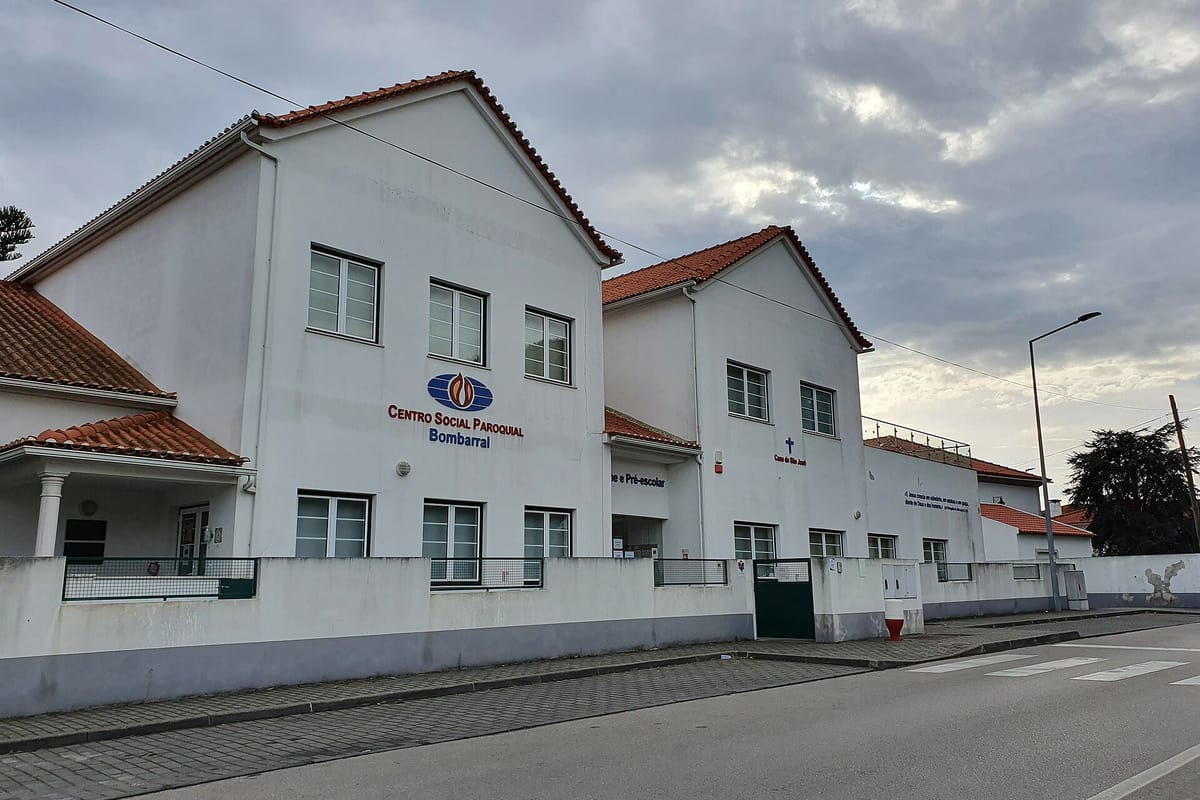
Staff at Portugal's social-sector charities who are not covered by the sector's collective agreement will get its 2026 pay tables, backdated to 1 July. The Government has published Portaria n.º 480/2026/1 in the Diário da República (official journal) of 3 November. It extends the agreement signed by the CNIS (Confederação Nacional das Instituições de Solidariedade, the main federation of charities) and the FNSTFPS public and social services union to employers and workers who never signed it.
These charities are known as IPSS (instituições particulares de solidariedade social, private non-profit social institutions). They run many of the country's care homes, day centres, crèches and home-care services.
Who is affected
The ordinance's own impact study counts 49,629 full-time employees within its reach. For 37,438 of them (75.4 percent), current pay is below the agreed rates. Women make up 91.8 percent of the workforce counted. The study puts the cost at 2.3 percent of the total wage bill, and 3.2 percent for the workers whose pay goes up.
The extension covers two groups on the mainland:
- staff of IPSS that do not belong to the CNIS;
- staff of CNIS members who do not belong to the union that signed.
There are three exceptions. Non-member charities affiliated to the União das Misericórdias Portuguesas (the Misericórdias) are not covered, and neither are those in the two federations of mutual societies, the União das Mutualidades Portuguesas and APM-RedeMut. The ordinance also stops where another negotiated collective agreement already applies. The Azores and Madeira are left to their regional governments.
What changes
The extension brings in the changes published in the Boletim do Trabalho e Emprego (labour bulletin) of 8 June and 22 August. They include:
- New minimum pay tables. The general table runs from 920 euros a month at level 18 to 1,462 euros at level 1. Teachers have separate tables: one starts at 1,230 euros and reaches 3,230 euros after 29 years of service.
- Sunday pay. Staff whose normal working week includes Sundays get a 100 percent supplement for every Sunday beyond two a month, unless they already receive the rotating-shift supplement.
- A Sunday off. Weekly rest must fall on a Sunday at least once every six weeks.
- A paid day off on your birthday.
- Allowances. Where no meal is provided, the meal allowance is 5.50 euros per full working day. Staff responsible for cash get a 40 euro monthly allowance.
- New grades for kitchen assistants and auxiliares de ação médica (care assistants).
From when
The ordinance takes effect on the fifth day after publication, which is Sunday 8 November. Pay tables and other cash clauses apply from 1 July 2026. Workers already covered by the agreement itself have these rates from 1 January.
What it means for you
- If you work for a charity: check your payslips from November against the June tables, and check whether you are owed back pay from 1 July. The ordinance does not set a date for paying the arrears.
- If your employer does not apply the new rates: you can ask the labour inspectorate, the ACT (Autoridade para as Condições do Trabalho), to step in. Its website takes a pedido de intervenção (request for intervention) once you log in.
- If you pay for a care-home, day-centre or crèche place: the ordinance says nothing about fees. Our report on how social-sector care-home fees work explains how they are set.
The lowest rate in the general table matches the national minimum wage of 920 euros. For how that figure has kept up with prices this year, see our minimum-wage report.