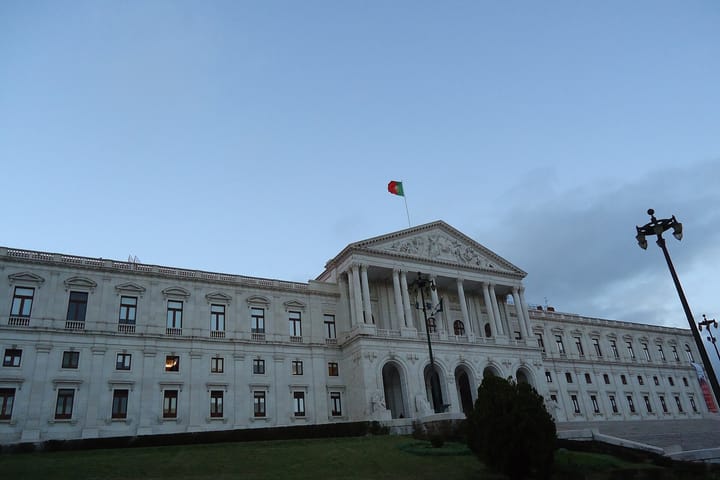
Portugal's Storm Resilience Plan Counts Just One of Its 15 Measures Due in 2026 as Nearly Finished
Of the 15 short-term measures in the PTRR storm recovery and resilience plan, only one is practically completed and 13 are under way, the agency's head told Público. Parish satellite phones, emergency radio alerts and a single help platform were all promised for 2026.
Of the 15 short-term measures that Portugal's storm recovery and resilience plan set for 2026, only one is "practically completed", according to the head of the agency running it. Thirteen are under way and one is still being analysed, Luís Leite Ramos told Público in a tally published on Thursday. Several of the outstanding items are exactly the ones residents lean on in a storm: emergency radio, phone networks, parish communications and a single place to ask for help.
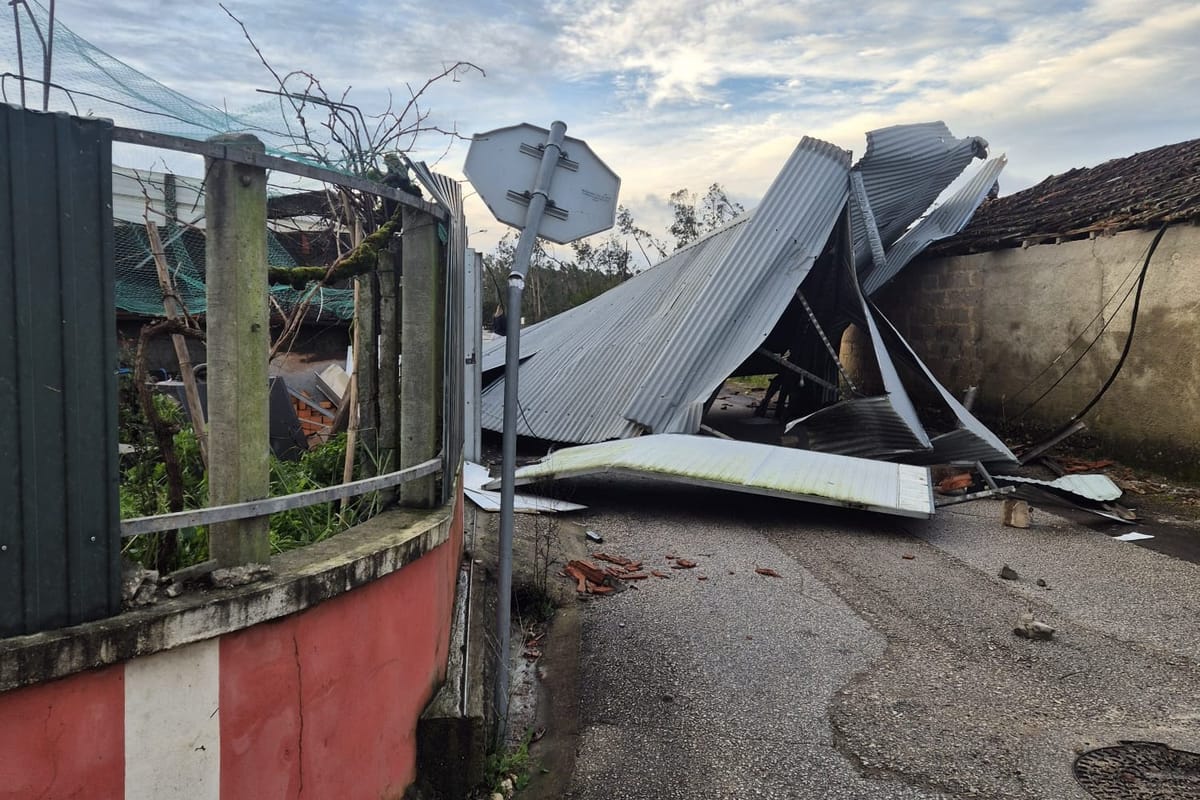
The count lands as the country clears up after depression Charles, the latest test of systems the plan promised to strengthen.
What the PTRR is
The PTRR (Portugal Transformação, Recuperação e Resiliência, or Portugal Transformation, Recovery and Resilience) is the government's answer to the storms that hit mainland Portugal between 22 January and 15 February 2026. It was approved by Council of Ministers Resolution 106/2026, signed on 28 April and published in the Diário da República (the official gazette) on 2 June. It runs from 2026 to 2034 in three pillars: recover from an estimated 5.3 billion euros of storm damage, protect (61 measures, about 15 billion euros) and respond (24 measures, about 2.3 billion euros).
The government puts the whole plan at 22.6 billion euros over nine years. On 11 June it created a mission agency, led by Leite Ramos, a professor at the University of Trás-os-Montes and Alto Douro, to coordinate and monitor it.
What was promised for 2026
The plan labels 15 measures "short term". Among those closest to daily life:
- Connected parishes: every junta de freguesia (parish council) to get a SIRESP emergency-network phone, a satellite phone and a Starlink data link, so local communications survive when land networks fail, "by 2026" (46 million euros).
- Phone networks: a law obliging operators to agree in advance on temporary national roaming and shared infrastructure during outages or emergencies.
- Emergency radio: more resilient FM transmitters with backup power, and the SAME system for automatic, area-targeted alerts over the radio (18 million euros).
- One place to ask for help: a Digital Disaster Management Platform inside gov.pt to submit and track support claims without handing over the same documents twice (25 million euros).
- Rules for the next disaster: a single legal framework for calamities, including a charter of consumer rights in disasters against price gouging and hoarding.
- Emergency services: a 90 million euro overhaul of INEM, the medical emergency service; a reform of civil protection creating a firefighter career; and an upgrade of the SIRESP emergency network.
- Buildings: revised seismic rules for extensions and rebuilds "by 2026", a national survey of the safety of critical public infrastructure, and an earthquake and tsunami response plan.
What the agency says
Asked whether the country can now respond better, Leite Ramos said that "five months are not enough, nor would it be expected that they would be, to reverse structural vulnerabilities accumulated over decades." The agency still does not have its full team, and its first monitoring report is due in January 2027.
What it means for you
For now, the improvements promised for this winter are mostly still in progress. In a severe-weather warning, keep following IPMA and ANEPC, keep a battery radio at home, and ask your junta de freguesia what emergency communications it has. Storm-recovery financing is also arriving through other routes, such as the European Investment Bank's 750 million euros for storm recovery.