Portugal’s Internal Administration Minister Will Stand Trial at the Court of Auditors Over €2,550 in Unbilled Police Travel
Luís Neves refused to pay a €2,550 penalty over travel from his Judicial Police days, opting for a Court of Auditors trial — as the opposition demands his resignation and the prime minister stays silent.
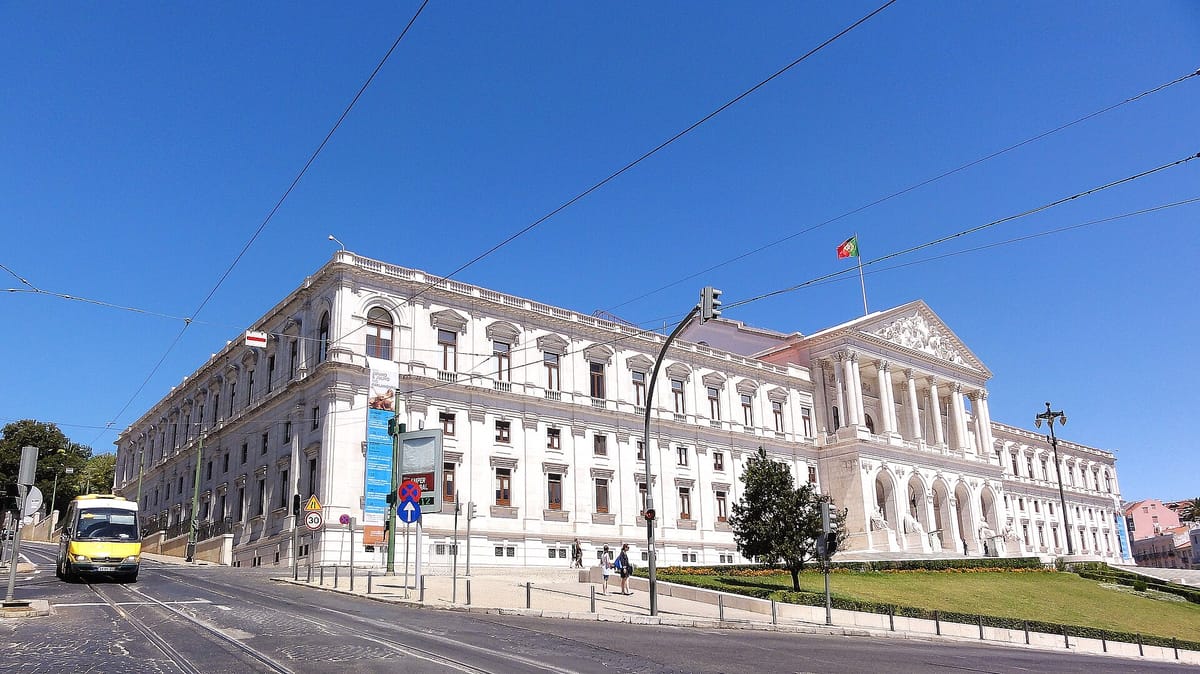
The sum in dispute is €2,550. The political weight attached to it is far heavier. Portugal’s Internal Administration Minister, Luís Neves, is heading to trial at the Court of Auditors (Tribunal de Contas) over travel he authorised while running the Judicial Police — and he has chosen to fight rather than pay.
Neves led the Polícia Judiciária (Judicial Police, the force that handles Portugal’s most serious criminal investigations) from 2018 until February 2026, when Prime Minister Luís Montenegro appointed him to the cabinet. The case against him predates that promotion. An audit of the police force’s 2023 accounts flagged trips connected to an urgent, confidential operation in Brazil, code-named “Agendódromo,” that were paid for but never invoiced by the travel company involved.
The Public Prosecutor’s Office (Ministério Público) at the Court of Auditors treated that as a financial infraction and asked for the minimum penalty available: 25 accounting units (unidades de conta) at €102 each, or €2,550. Under the rules, Neves could have made the case disappear by simply paying the amount voluntarily. He declined.
“I will not be judged — it is I who am bringing in the Court of Auditors,” the minister said, casting the trial as a scrutiny he welcomes rather than a proceeding he fears. He argues the way the trips were arranged actually saved the state thousands of euros by allowing a sensitive police operation to go ahead quickly and discreetly, and that the missing invoice was the contractor’s failing, not the force’s.
That confidence has not calmed the opposition. The Socialist Party (Partido Socialista), through parliamentary leader Eurico Brilhante Dias, said the situation had “reached the limit of the admissible” and demanded that Montenegro restore order in his government. Chega’s André Ventura went further, calling for Neves to resign and for a parliamentary commission of inquiry into his time at the police. Iniciativa Liberal requested an urgent hearing, while Livre’s Jorge Pinto asked pointedly where the prime minister had gone.
Montenegro, for his part, has stayed largely silent — a silence the opposition reads as either loyalty or paralysis. The trial is only one thread in what Portuguese commentators have started calling a labyrinth around the minister: alongside it sit a Justice Ministry audit of the Judicial Police (requested, pointedly, by Neves’s own successor as director, Carlos Cabreiro), separate criminal inquiries, and the inquiry Chega wants parliament to open.
For a government already fighting a public narrative about insecurity, having the very minister responsible for policing tied up in a courtroom over how his old force spent its money is an awkward look. The €2,550 will be settled one way or another. The question of how much political capital it costs is the one Montenegro cannot pay off in accounting units.