Portugal's Health Service Leans on a Record 847 Retired Doctors, Sixteen Years After the Scheme Was Meant to Expire
In June the SNS had 847 retired doctors under contract, 90 more than a year earlier and the most since the scheme began in 2010. More than half are family doctors. The hiring ceiling has risen for a third year running, to 1,111.
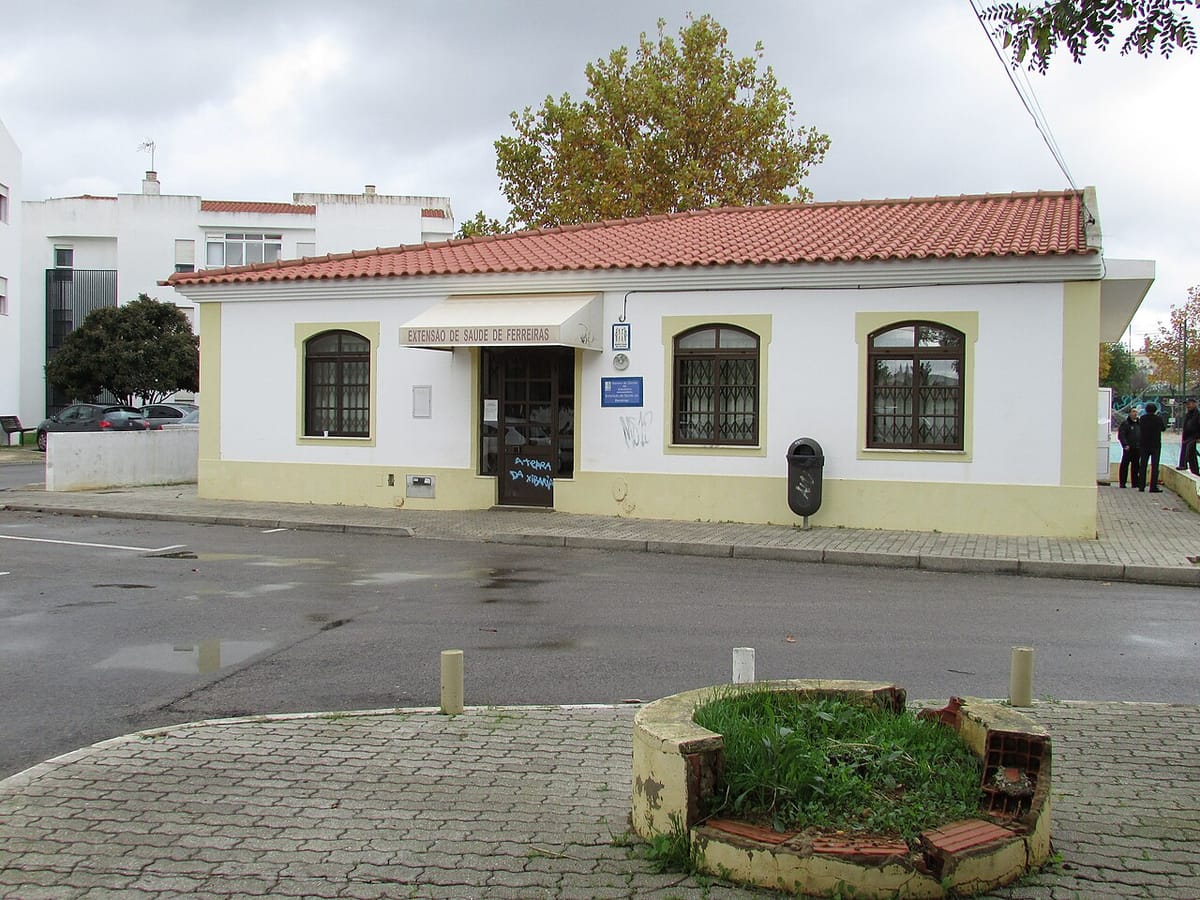
In June the Serviço Nacional de Saúde (National Health Service) had 847 retired doctors working under contract, the highest figure recorded since the scheme was invented. That is 90 more than in the same month last year and 23 more than at the close of 2025, according to figures reported on Saturday by Público. More than half of them are family doctors.
The arrangement they work under was never meant to reach 2026. It was created in 2010, under then health minister Ana Jorge, as a temporary and exceptional measure expected to run three years, and has been renewed ever since. The decisive change came in 2016, when the rules were rewritten so a retired doctor could draw 75 percent of the salary attached to their grade and chosen weekly hours on top of the pension already earned.
Where the returning doctors go
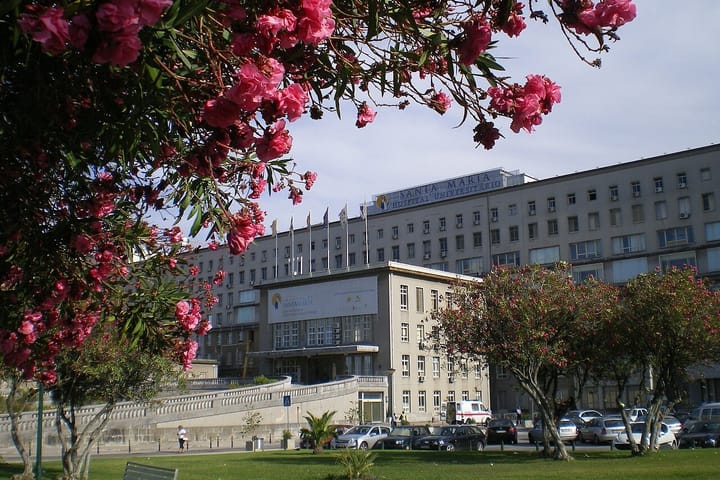
The concentration is in primary care, which is precisely where the shortage bites hardest. Roughly 53 percent of the retired doctors still practising are médicos de família (family doctors), with public health and anaesthesiology the next largest groups. Among hospitals, Santa Maria and São José in Lisbon obtained the most authorisations to hire them.
An earlier snapshot fills in the shape of the workforce. Of the 803 retired doctors in service in October 2025, 483 were in primary care, 296 in hospitals and 24 in the Health Ministry's central services. The large majority, 694 of them, worked part time. This is not a cohort of full-time returnees: it is a thin layer of partial cover spread across health centres that would otherwise have empty lists.
A ceiling that keeps rising
The Health and Finance ministries set an annual cap on how many retired doctors the SNS may hire. For 2026 the despacho published in the Diário da República in late January put that ceiling at 1,111, covering both new contracts and renewals of contracts running on 31 December 2025. The equivalent figures were 1,070 in 2025 and 900 in 2024.
The government's own reasoning is unusually candid. Despite more training places and new recruitment, it wrote, "structural constraints" continue to limit what health services can deliver, and it singled out the "particularly significant" volume of retirements, especially in general and family medicine, as a trend that will persist. Close to 2,000 SNS professionals could retire by the end of 2026, among them 575 specialist doctors and 381 nurses.
There is a case that the squeeze is temporary. On the ministry's own projections, family-doctor retirements fall from about 200 in 2025 to 143 in 2026, 86 in 2027 and roughly 57 by 2030. If training output holds, the bulge passes. The risk is that a stopgap sustained for sixteen years stops being read as one, and that the recruitment rounds that keep failing to fill their posts are treated as tolerable because retired colleagues cover the gap.
What this means for foreign residents
- Your health centre may be running on borrowed time. If you were assigned a médico de família recently, especially around Lisbon, there is a real chance the doctor is retired and part time. That usually means fewer available slots rather than worse care.
- Continuity is the real exposure. These are short contracts renewed year by year. Keep your registration details up to date so you are not dropped from a list during a handover.
- The unregistered still outnumber the fix. Around 1.5 million people in Portugal sit outside family-doctor lists. Eight hundred and forty-seven part-time returnees do not close that gap.
- Judge the system by waiting times, not headcount. Hospital pressure surfaces elsewhere, including in the surgery booking system whose replacement was postponed this month.
The 2027 authorisation will be the tell. If the ceiling rises for a fourth consecutive year, the government will have conceded that the workforce plan is not yet doing the work, and that Portugal's health service still depends on the people it has already retired.
Feature image: Wikimedia Commons, CC BY-SA 4.0.