Portugal's Food and Economic Watchdog Adds 21 Inspectors to a Force of 235, After Opening 643 Criminal Cases and Suspending 183 Restaurants This Year
The ASAE inspected 30,700 economic operators in eight months, 8,600 of them online, and opened 643 criminal and 2,148 administrative proceedings. Operation Mesa Limpa alone closed 183 restaurants on the spot and seized four tonnes of food.
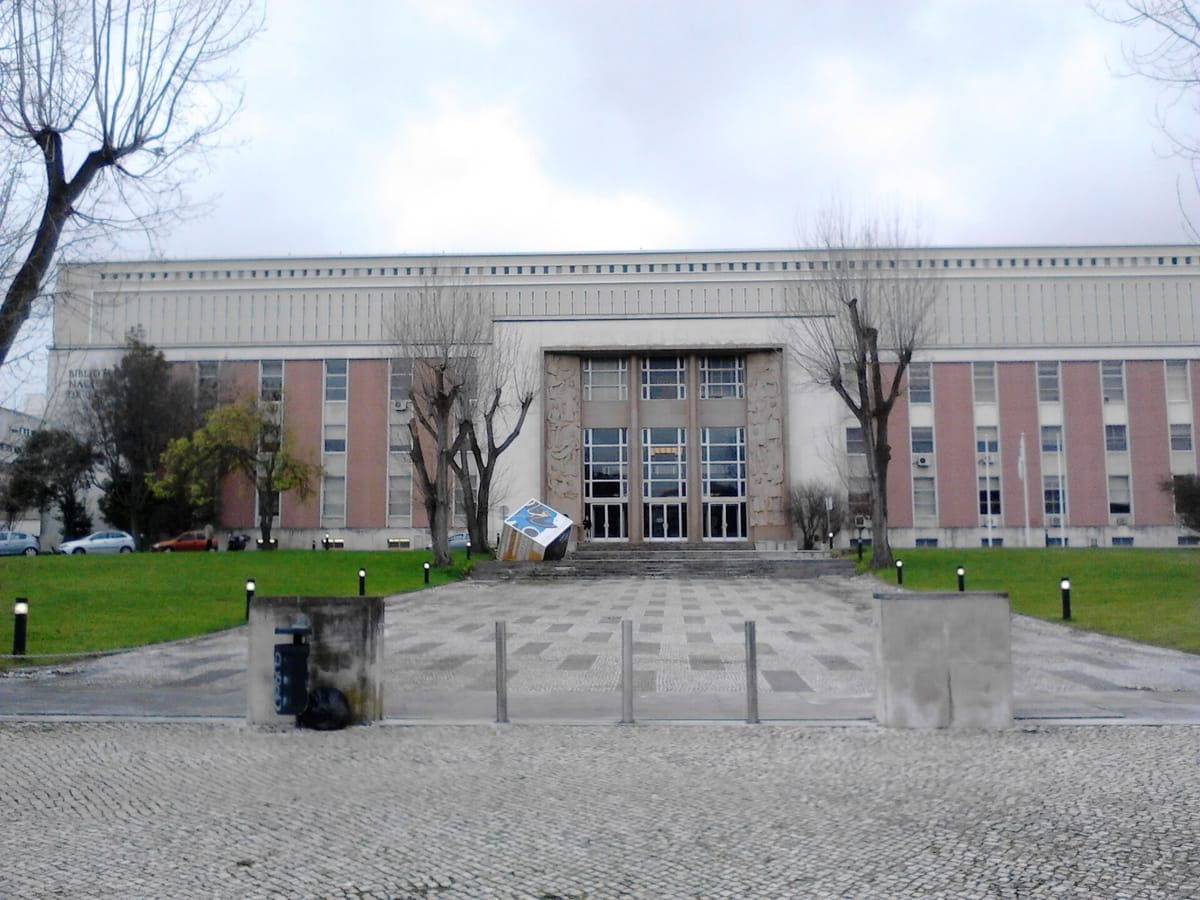
Twenty-one new inspectors swore the oath at the Biblioteca Nacional de Portugal (National Library of Portugal) in Lisbon on Monday morning, and with them the Autoridade de Segurança Alimentar e Económica (Food and Economic Safety Authority, ASAE) reaches a complement of 235. Manuel Castro Almeida, Minister for the Economy and Territorial Cohesion, put the intake at roughly a 10 percent reinforcement of the inspectorate and called it, for now, "reasonable and adequate" to the work in front of it.
The figures he brought to the ceremony are the more interesting part. In the first eight months of 2026 the ASAE inspected 30,700 economic operators, of which 8,600 were online sellers rather than premises. Out of that came 643 criminal proceedings and 2,148 administrative offence proceedings. For scale, the authority logged 7,842 inspections in the whole of the first quarter, so the pace has held.
The restaurant sweep behind the numbers
A large share of the criminal caseload comes from a single national operation. Under Operação Mesa Limpa (Clean Table), run through the ASAE's regional units across the first half of the year, inspectors visited about 4,000 restaurant and drinks operators and ordered 183 immediate suspensions of activity. That produced 155 criminal proceedings, 1,041 operators caught in administrative offences, nine arrests and more than four tonnes of seized foodstuffs: meat and meat products, drinks, olive oils, fish and shellfish among them.
The authority's own communiqué names the offences. On the criminal side, speculation and the sale of spoiled foodstuffs, plus running games of chance outside legally authorised premises. On the administrative side, operating without the required prior notification, failing the hygiene requirements that apply to kitchens, sculleries and preparation areas, and breaching the general duties of the person running the establishment.
The wine trade was the other focus. Around 500 operators were checked in the vitiviniculture sector, with more than 102,000 litres of wine and sparkling wine seized and 12 criminal and 14 administrative proceedings opened. Two recent slices of that total ran through the Beira Alta: 20,000 litres pulled in Gouveia, and in July close to 21,000 litres of bottled DOC wine plus 69,550 boxes taken across Viseu, Trancoso and Oliveira do Bairro for provenance labelling failures and unlicensed activity.
Castro Almeida framed enforcement as a fairness question rather than a burden: it is "very unjust", he said, that operators who ignore the rules can trade freely against those who do not. He also argued that the authority should follow risk as it moves, citing checks on commercial abuses in Leiria after storm Christine and, right now, the grape harvest. "People have to trust what they eat and drink," he said.
What this means for residents
- Online sellers are now a real target. More than a quarter of this year's inspections were of internet operators. If you buy food or drink from a Portuguese online seller, it sits inside the same regime as a shop.
- A suspension is immediate. The 183 closures under Mesa Limpa were ordered on the spot, not after a hearing. A restaurant that vanishes overnight has often met an inspector rather than a landlord.
- Complaints have a route. The ASAE takes consumer reports directly, and its published operations show that labelling, hygiene and licensing are what it acts on fastest. Our earlier reporting on the unlicensed Braga food warehouse and the first-quarter enforcement tape shows the pattern.
- The pressure lands on a squeezed sector. Restaurants and hotels were already reporting thinner margins despite record tourism.
Twenty-one inspectors will not transform a country of hundreds of thousands of food and drink operators. But it is the first meaningful addition to the force in years, and the eight-month tape is the government's evidence that the caseload justifies it.