ASAE Halts an Unlicensed Braga Food Operation and Pulls 76 Tonnes of Animal Products From Sale
ASAE has shut down an unlicensed food operation in the Braga district and pulled 75,867 kilos of animal-origin products from the chain. The site produced, packed and distributed food with no Veterinary Control Number, amid hygiene failures — a reminder of how much meat still moves outside the cold c
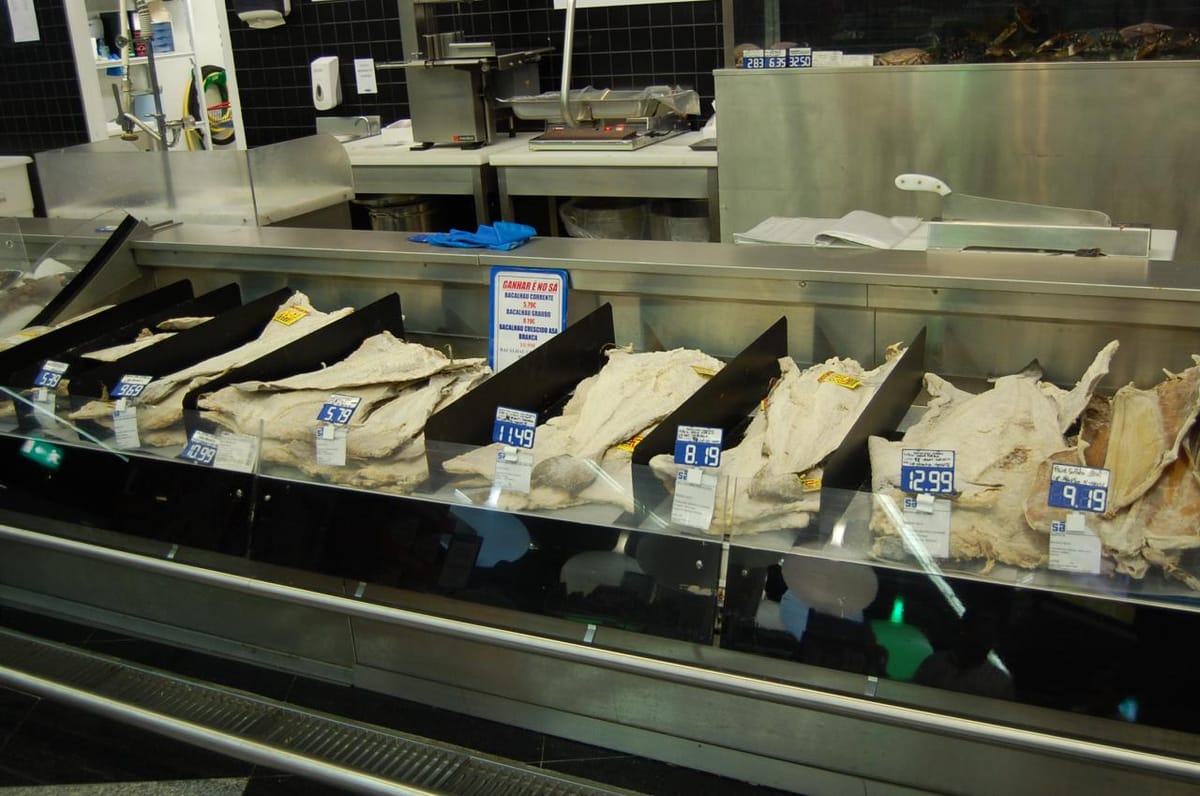
Food inspectors in the north of Portugal have shut down an unlicensed food operation in the district of Braga and pulled roughly 76 tonnes of animal-origin products out of the supply chain. The Autoridade de Segurança Alimentar e Económica (ASAE), the country's food-safety and economic-enforcement authority, announced the seizure on Tuesday, 11 August, describing it as the work of its Northern Regional Operational Unit.
The precise figure was 75,867 kilograms of foodstuffs of animal origin — a category that spans meat, fish and dairy, the products that carry the highest public-health risk when handled outside a controlled cold chain. Inspectors found the goods at a facility that was producing, packaging and distributing food without the single document that makes any of that legal: the Número de Controlo Veterinário (NCV, or Veterinary Control Number), the registration issued by the Direção-Geral de Alimentação e Veterinária (Directorate-General for Food and Veterinary Affairs) that certifies an establishment is fit to handle animal products.
What inspectors found
According to ASAE, the unit "operated without the Veterinary Control Number, an indispensable legal requirement for exercising this activity." Beyond the missing licence, inspectors flagged a lack of the technical and functional conditions required at the point of sale, along with deficiencies in cleaning and hygiene. The authority ordered a partial suspension of the production, packaging and distribution site and a partial suspension of the retail establishment attached to it, and opened contraordenação (administrative offence) proceedings against the operator.
ASAE did not put a value on the seized goods or say whether any of the food had already reached consumers. Products handled without veterinary control and outside proper refrigeration cannot be traced, which is precisely why the law requires them to be pulled and destroyed rather than merely fined: once the cold chain and the paper trail are broken, there is no way to prove what is safe.
A routine that keeps recurring
Summer is peak season for this kind of enforcement, as heat multiplies the risk from badly stored food and demand rises. ASAE runs thousands of inspections a quarter across restaurants, wholesalers and retailers; earlier this year it logged 7,842 checks and €1.94 million in fines in the first quarter alone, with hospitality leading the tally. The agency is better known to the public for its counterfeit sweeps — from fake World Cup merchandise to counterfeit car parts — but the quieter work of pulling untraceable meat off shelves is the part that most directly touches what ends up on a plate.
For residents, the takeaway is unglamorous but worth keeping: the cheapest cuts and the informal suppliers are exactly where the veterinary paperwork is most likely to be missing. A 76-tonne haul from a single unlicensed depot is a reminder that a slice of Portugal's food trade still moves outside the system that is meant to keep it cold, labelled and accountable.