Portugal's First Public Gambling Clinic Took In 50 Patients in Three Months, One of Them 3 Million Euros in Debt
The number of people treated for gambling disorder by ICAD more than doubled between 2023 and 2025. Most men at the new Lisbon unit are under 40, and its team includes an accountant.
Portugal's first public unit dedicated to treating gambling disorder took in 50 patients in its first three months, and one of them had run up debts of 3 million euros, the head of the Institute for Addictive Behaviours and Dependencies (ICAD) has said.
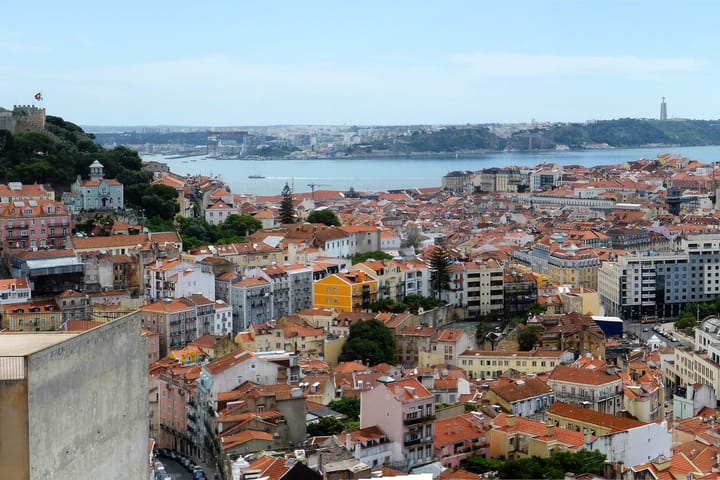
Joana Teixeira, a psychiatrist who has led ICAD since 1 January 2026, gave the figures in an interview with Lusa published on Sunday. The Unidade de Intervenção no Jogo, in Lisbon, opened in June.
Demand more than doubled in two years
Gambling "really stood out" when she reviewed ICAD's priorities on taking office, Teixeira said, because of a sharp rise in the number of people seeking treatment. ICAD's own data show 358 people in treatment for gambling disorder in 2023 and 782 in 2025, an increase of 118 percent.
The new unit surprised even the institute, she said, by filling up during the summer holidays. Of the first 50 patients, only six are women, and they are older on average than the men. Most of the men are under 40, and half of those are 25 or younger, which Teixeira called "very significant." The most serious cases are among men aged 30 to 40.
ICAD is trying to understand why so few women come forward. Gambling disorder is more common in men, she said, but stigma and other factors may also keep women from seeking help.
A team that includes an accountant
The unit works as an outpatient service, with psychiatrists, psychologists, a social worker and an accountant. Patients with the heaviest financial problems are referred to the accountant, who looks at their situation and searches for solutions, including restructuring their debts. Teixeira warned that money trouble feeds relapse, because people try to win back what they have lost, creating a cycle that is hard to break.
Twelve of the 50 came on their own initiative. The others were referred by relatives, by ICAD's treatment centres or by their family doctors. At the time of the interview three people were on the waiting list, and the average wait for a first assessment was five days. Most patients live in the Lisbon area, but others have come from Aveiro, Castelo Branco, Guarda, Leiria, Porto, Santarém and Setúbal.
How common the problem is
National data put the estimated prevalence of gambling dependence at 0.6 percent of the population, rising to 1.1 percent for problem gambling. Teixeira said online gambling grew after the pandemic, with platforms open 24 hours a day.
She said exposure to gambling advertising, on television and social media, should be looked at across government ministries, and that illegal gambling must be tackled too. Portugal's gambling regulator has just turned to software to hunt down illegal betting sites, and a recent survey found four in ten online bettors using unlicensed sites.
What comes next
The Lisbon unit treats gambling for money only. A separate programme for problematic video gaming, open to young people from the age of 12, runs in Porto. ICAD plans to open a video gaming programme in Lisbon as well, and to take specialised gambling treatment to the north of the country; Teixeira said work on both is under way.
As the unit's own intake shows, help does not have to start with the patient: relatives, ICAD's local treatment centres and family doctors all refer people to it.