Portugal's Dairy Farmers Contest a Fresh Cut to the Price They Are Paid, Even as Shop Food Prices Keep Climbing
Cooperatives cut the farm-gate milk price again from 1 August — 1.5 cents a litre on the mainland, more in the Azores — as APROLEP demands a September reversal. Portuguese producers already earn the EU's lowest price.
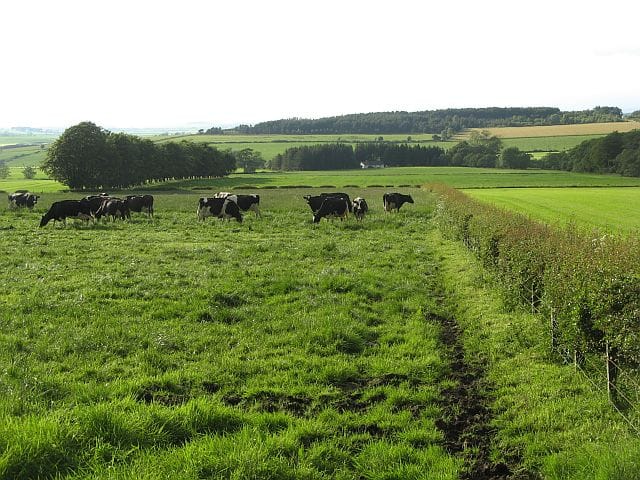
Portugal's dairy farmers are being paid less for their milk again — the second cut of the year — at the very moment the milk, cheese and yoghurt on supermarket shelves keeps getting more expensive. The gap between what producers receive and what shoppers pay is widening, and the people who keep the cows are the ones losing ground.
At the end of July, cooperatives linked to Lactogal — the country's dominant dairy group — told mainland producers that the price paid at the farm gate would fall by another 1.5 cents per litre from 1 August. In the Azores, on São Miguel island, the processors PROLACTO and INSULAC followed with reductions of 2 cents and 1.5 cents per litre respectively. It comes on top of a cut of roughly 3 cents earlier in 2026.
Producers say enough
The Associação dos Produtores de Leite de Portugal (APROLEP, the Portuguese Milk Producers' Association) has rejected the latest reduction and is demanding that the price be restored in September. Its argument is one of timing: the cuts land just as production costs climb, with fuel and animal feed both dearer and this summer's heatwaves expected to shrink the silage-maize crop that many dairies rely on to feed their herds through winter.
The buyers, for their part, point outward — to a softening international market for dairy commodities and to price cuts in the big dairy economies of northern Europe — to justify passing the pain down the chain to Portuguese farms.
The lowest price in the EU
The reductions bite hardest because Portuguese producers were already at the bottom of the European table. Farm-gate milk in Portugal was worth about 45.8 cents per kilo at the start of 2025 — the lowest of any of the 27 European Union member states, and roughly nine cents below the EU average. Each fresh cut pushes an already thin margin closer to the point where keeping cows stops making financial sense.
That matters because the sector is small and concentrated. Portugal has around 3,300 milk producers — some 2,000 of them in the Azores, where dairy is the backbone of the island economy, and about 1,300 on the mainland. When prices fall below the cost of production, farms in both places do not trim output; they close, and the herds do not come back.
A squeeze shoppers can see from the other side
For consumers, the paradox is stark. While farmers are paid less, the retail cost of food keeps rising: the consumer group DECO recently found its basket of 63 grocery staples had reached €253.60, with food prices still climbing 5.4% a year. The money is clearly in the system; it is simply not reaching the barn.
The dispute also lands in an already tense season for Portuguese agriculture, with the government having just pulled farm-support payments forward to September to get €138 million to 134,000 producers sooner, and Azorean farmers still smarting from being left out of an earlier national farm-aid package. Whether APROLEP's call for a September reversal is heeded will say a good deal about who, in the end, absorbs the cost of cheaper milk.