Portugal's Childhood Vaccination Holds Above 95%, but Algarve Councils Lag on HPV and Flu Shots
The DGS annual review for 2025 shows most childhood vaccines above 95% coverage nationally, yet several Algarve councils sit at the bottom of the table — in Aljezur, only 39.5% of 11-year-old boys had the HPV shot.
Portugal is meeting almost all of its national childhood immunisation goals, but a fresh annual review from the Direção-Geral da Saúde (Directorate-General for Health, DGS) shows a country vaccinating at two speeds — with several Algarve municipalities sitting at the bottom of the coverage table.
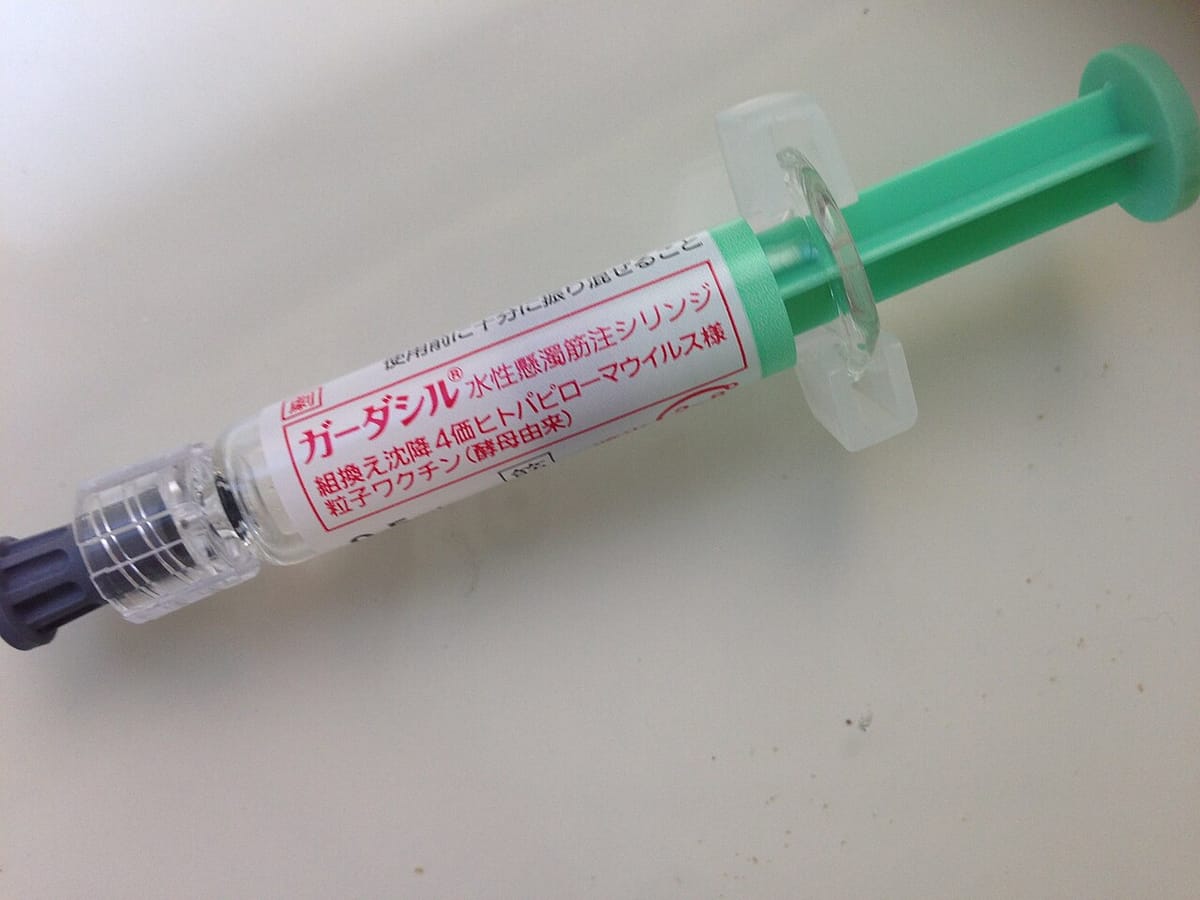
According to the DGS balance for 2025, most vaccines in the Programa Nacional de Vacinação (National Vaccination Programme, PNV) reached coverage above 95% nationally, the threshold health authorities regard as the benchmark for herd protection. Yet in some regions and for some vaccines, uptake fell below 60%. In Aljezur, in the western Algarve, just 39.5% of 11-year-old boys had received the vaccine against HPV (human papillomavirus).
The disparities are widest in the three areas the DGS singles out each year:
- HPV: National coverage remains high, but Algarve councils repeatedly rank among the weakest performers, especially for boys, who were added to the free programme only recently.
- Influenza: Uptake of the seasonal flu shot rose compared with the previous year.
- Covid-19: The seasonal covid vaccine lost ground against 2024, extending a steady decline in demand.
The PNV is free and universal, delivered through the health centres (centros de saúde) of the Serviço Nacional de Saúde (National Health Service, SNS), and Portugal has long ranked among Europe's strongest performers on childhood immunisation. Crucially, regional coverage figures are calculated from registered residents. Areas with large seasonal, tourist or foreign-resident populations — the Algarve chief among them — can therefore post lower rates partly because their real population is fluid and harder to pin down.
The worry is not the national average but the pockets of low coverage it conceals. Clusters of unvaccinated children pull down community-wide protection and raise the risk of outbreaks of diseases such as measles, which resurfaced this year when three confirmed cases in Beja triggered nearly 500 contact-tracing follow-ups. HPV matters over a longer horizon still: the vaccine prevents cervical and other cancers decades later, so today's Algarve gap risks becoming tomorrow's health inequality.
What This Means for Expats
- Register your family with the SNS. Coverage is measured from registered residents, so make sure everyone has a número de utente and is enrolled at a local centro de saúde — otherwise your children can be invisible to the system that schedules free shots.
- PNV vaccines are free, including for new arrivals. Children who moved to Portugal mid-schedule can catch up at no cost; our guide to getting vaccinated in Portugal explains how to have a boletim de vacinas (vaccination record) reviewed.
- HPV is free for boys and girls. If you live in the Algarve, do not assume your municipality's low average reflects your own child's protection — check the record and book any missing dose.
- Seasonal campaigns run each autumn. Flu and covid shots are free for over-65s and at-risk groups, and this year's campaign is expected within weeks; you can book through your health centre or the SNS 24 line.
The DGS says it will keep targeting low-coverage municipalities, and the next seasonal push begins this autumn. For a country that prides itself on near-universal childhood immunisation, closing the Algarve gap is the harder, slower half of the job. On the immunisation side of the file, Portugal's measles count for 2026 and the single chain that formed sets out the nine cases the Direção-Geral da Saúde notified through SINAVE between 1 January and 18 August, how they split between imported and domestic origin, and why the directorate is watching Brazil.