Portugal's Catastrophe Fund Slips to 2027 and Will Start With 20 Million Euros, Storm Plan Chief Tells Antena 1
The fund meant to pay out after storms and earthquakes, and the mandatory home insurance tied to it, will only be ready next year. The PTRR agency head says the fund starts at 20 million euros and could reach 100 million, and admits the government was too optimistic.
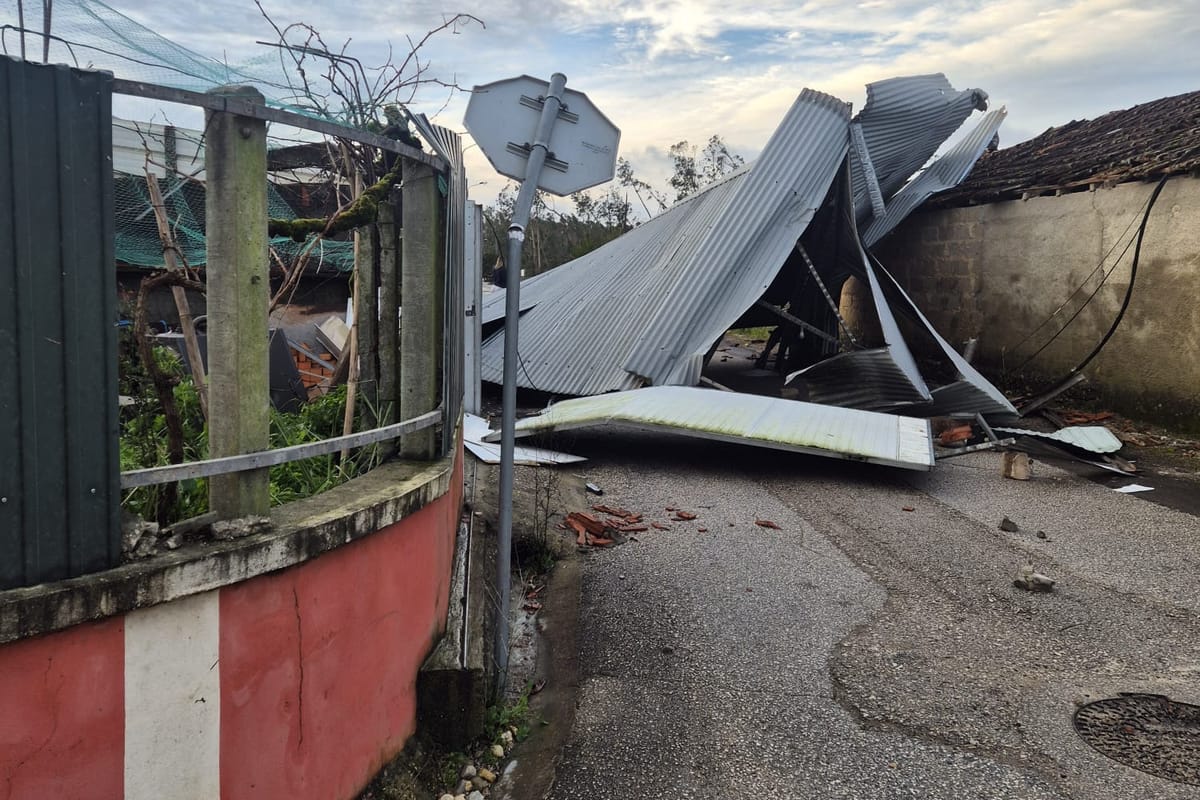
Portugal's planned catastrophe fund, the pot meant to pay out quickly after storms, floods and earthquakes, will not be ready this year. It will start with 20 million euros from the State Budget and could grow to 100 million euros, according to Luís Leite Ramos, president of the agency that coordinates the PTRR (Portugal Transformação, Recuperação e Resiliência, the government's storm recovery and resilience plan). He also said the mandatory catastrophe insurance that goes with it will only be ready next year.
Leite Ramos gave the figures in an interview with Conversa Capital, the Antena 1 and Jornal de Negócios programme, published by RTP on Saturday evening.
Three 2026 promises slip to 2027
Of the plan's 15 short-term measures, three should now be completed in 2027 rather than this year, RTP reports: the catastrophe insurance (together with the fund), the reform of INEM (the national medical emergency service), and internal roaming, the rule that would let phones switch to a rival operator's network when their own fails.
Leite Ramos said the government should have been "more cautious" in how it classified the measures, giving some of them a medium-term target or extending them to 2027. On roaming, he said: "We were too optimistic. We thought this would be solved quickly, but it isn't."
When the plan was presented in April, the government described a fund for natural and seismic catastrophes alongside mandatory insurance for homes and business premises, with public support so that lower-income families could afford cover. The aim, it said, was a faster and more predictable response that relies less on the State alone. The law that would set the premium, the cover and a start date has yet to be approved.
Generators, satellite links and the power grid
Leite Ramos also gave RTP an update on emergency equipment:
- Generators: a tender for 700 generators, mainly for parish councils, drew no bids, so a new tender will be launched and may be split in two. These come on top of 2,100 generators already bought for critical infrastructure.
- Starlink satellite links: 3,566 units have been awarded in five months and 2,752 delivered. Every parish that accepted the equipment should have it in 2027; some parishes turned it down.
- Power grid: investment starts next year and includes burying some power lines underground.
He said the plan's 22.6 billion euros is enough for now, but that seismic risk studies may show more money is needed for critical infrastructure. In the Centre region, he said, roads still need repair and homes still need rebuilding, held back mainly by a shortage of workers, and the 5.3 billion euros earmarked there should be spent by the end of next year.
What it means for you
For at least another year, nothing changes for homeowners: there is no mandatory catastrophe cover and no fund to claim from. Whether storm, flood or earthquake damage is covered depends on your own home insurance policy, so check what it includes. Our earlier pieces explain where the plan's 15 short-term measures stood on 12 November and how the 2027 budget already counts on insurance that does not exist yet.