Portugal's Burned Area Is a Quarter of Last Year's, but It Has Lit More Fires Than in Any Year Since 2022
Between January and mid-August, 6,572 rural fires broke out in Portugal, the most in four years, yet they burned just 60,572 hectares, roughly a quarter of last year's toll.
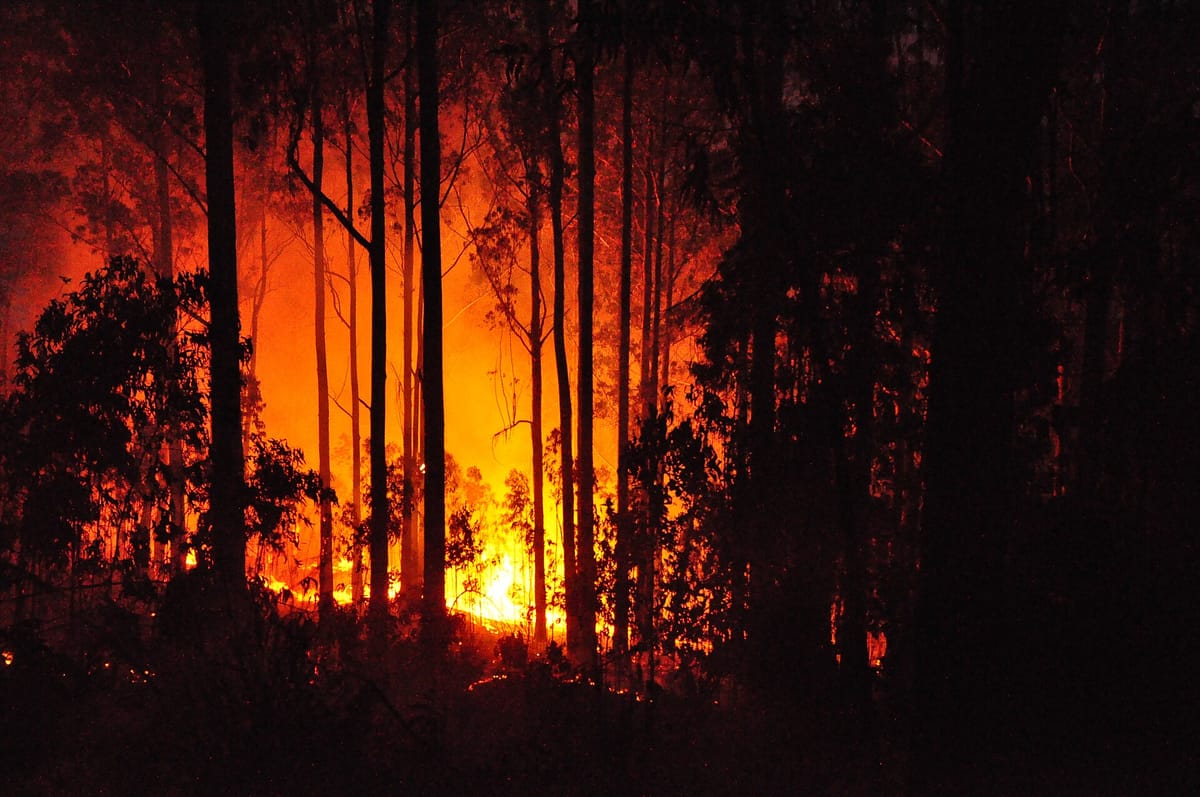
Portugal is having a paradoxical fire season. Between 1 January and 18 August, 6,572 rural fires broke out — more ignitions than in any of the past four years — yet they consumed 60,572 hectares of scrub and forest, roughly a quarter of the 245,760 hectares that had burned by the same date in 2025. The figures come from the Integrated Rural Fire Management System (Sistema de Gestao Integrada dos Fogos Rurais, SGIFR), run by the Agency for Integrated Rural Fire Management (Agencia para a Gestao Integrada de Fogos Rurais, AGIF).
The contrast is stark. Over the same window last year there were 5,824 fires, so 2026 has seen roughly 13% more ignitions even as the area burned fell by about three-quarters. On the decade's league table, 2026 ranks as the fifth-worst year for burned area — behind 2017, 2025, 2016 and 2022 — but the sixth-worst for the number of fires, reversing a steady decline in ignitions that had held since 2022.
The most revealing detail is where the damage came from. More than half of both the fires and the burned area occurred on days rated as moderate or low fire risk, according to the SGIFR. That undercuts the intuition that the harm is concentrated on a handful of red-alert days; ordinary days, on parched ground, are doing real work. A record-dry July — the driest of the century — left fuel primed across much of the country.
The burden fell unevenly. The North bore the brunt, with 34,929 hectares scorched across 3,422 fires. The Centre followed at 20,452 hectares from 1,177 fires, while the Alentejo lost 3,335 hectares. Lisbon and the Tagus Valley, though far down the area rankings, still logged 1,006 separate fires.
What explains the split screen? A wetter spring and cooler intervals between heatwaves gave crews more forgiving windows to hit fires early, and a smaller number of blazes escaped into the mega-fire territory that drives the extreme years. But the sheer count of ignitions points to a stubborn structural fact: the overwhelming majority of Portugal's rural fires start with people, whether through negligent burning, machinery sparks or arson, and no amount of good luck with the weather changes that.
The season is a reminder that "area burned" and "fires started" measure different things. A quiet-looking year on the map can still mean thousands of ignitions demanding boots, engines and aircraft, and the reversal of the downward ignition trend — after years of prevention spending — is the statistic most likely to trouble fire managers. With weeks of summer still to run and reservoirs low, the arithmetic can turn quickly.