Portugal Readies a €100 Million Credit Line for Firms Investing in Cape Verde as President Seguro Opens a Praia Business Forum
President António José Seguro says Portugal is finalising a €100 million credit line for companies investing in Cape Verde, unveiled as he opened a Portugal–Cape Verde business forum in Praia. Portugal was the archipelago's largest investor in early 2026, targeting renewables, digital services and t
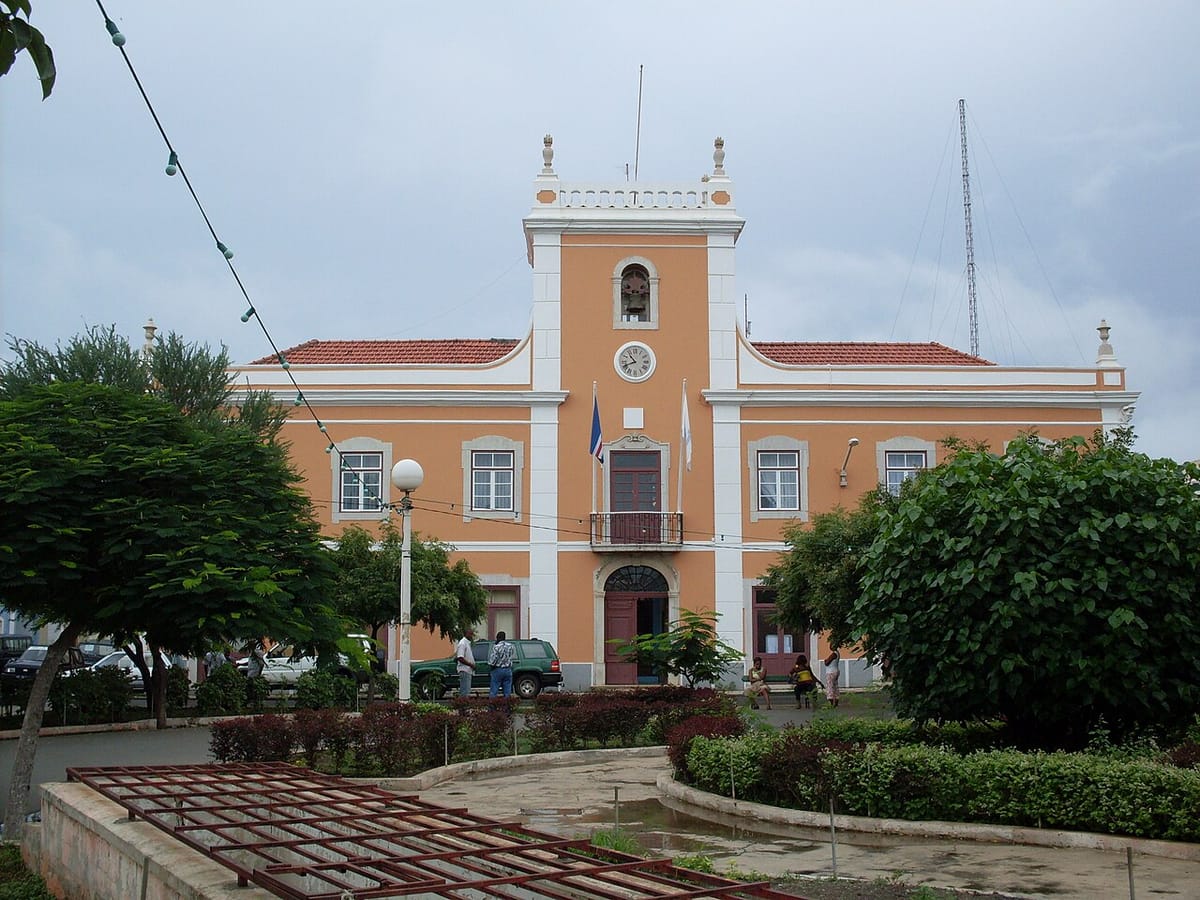
Portugal is finalising a €100 million credit line to bankroll Portuguese companies investing in Cape Verde, President António José Seguro announced during a three-day state visit to the archipelago, as he opened a Portugal–Cape Verde business forum on Wednesday at the country’s central bank in Praia.
The instrument, Seguro said, is “in its final phase, tied to technical details,” a timeline Prime Minister Luís Montenegro has separately described as nearly complete. It is designed to de-risk private investment in a small island economy where Portuguese firms already lead the field, and to deepen ties across the Portuguese-speaking bloc at a moment when Lisbon is courting new markets for its exporters.
Portugal already leads the investment table
The numbers explain the interest. Portugal was the single largest source of foreign investment in Cape Verde in the first quarter of 2026, with roughly €11.8 million — about 34 percent of the total. The new credit line would channel financing toward priority sectors the two governments have flagged: renewable energy, the digital economy and the “blue economy” built around the islands’ vast Atlantic maritime zone.
Seguro met his Cape Verdean counterpart, José Maria Neves, and the two exchanged state honours; the Portuguese head of state offered a ceramic blue shark nodding to Cape Verde’s run at the 2026 World Cup. The forum feeds into a wider agenda of cooperation in health, education, technology and ocean management, and precedes the fifth International Conference on the Ocean Decade, held Thursday on the island of Boa Vista under the theme “Blue Economy: Sustainable Pathways.”
Why a small archipelago matters to Lisbon
Cape Verde is a modest market of around half a million people, but it sits at a strategic Atlantic crossroads and shares a language, legal traditions and a deep migratory history with Portugal. A large Cape Verdean community lives and works in the Lisbon metropolitan area, while Portuguese construction, banking, tourism and energy firms have long operated on the islands. Credit lines of this kind — Lisbon has extended similar facilities before — are as much foreign policy as finance, keeping Portuguese contractors competitive against Chinese and other bidders for infrastructure work.
The push also mirrors a broader pattern of Lusophone capital flows. Angola’s investment stake in Portugal has swelled to nearly double the reverse, and Portuguese small and mid-sized exporters — the 14,133 top-rated smaller firms that booked €63 billion in sales last year — are hunting for growth beyond a crowded European market.
What This Means for Expats
- Business openings: Portugal-based entrepreneurs and consultancies in renewables, digital services and marine industries may find state-backed financing to pursue projects in Cape Verde, lowering the barrier to entry.
- Community ties: The initiative reinforces links with Portugal’s sizeable Cape Verdean population, relevant to anyone working in remittances, cross-border trade or diaspora services.
- Policy signal: It confirms Lisbon’s tilt toward the outward-facing economic agenda now shaping its trade and investment strategy.
With the credit line’s structuring described as all but done, the practical test will be how quickly companies can draw on it — and whether the forum in Praia converts diplomatic warmth into signed contracts.