Portugal Misses the EU Deadline to Enshrine the Right to Repair, and Green Groups Sound the Alarm
The 31 July deadline to write the EU's right-to-repair rules into Portuguese law has passed with the transposition still undone. Quercus, Zero and Circular Economy Portugal warn consumers are left without new tools to fix appliances and phones rather than replace them.
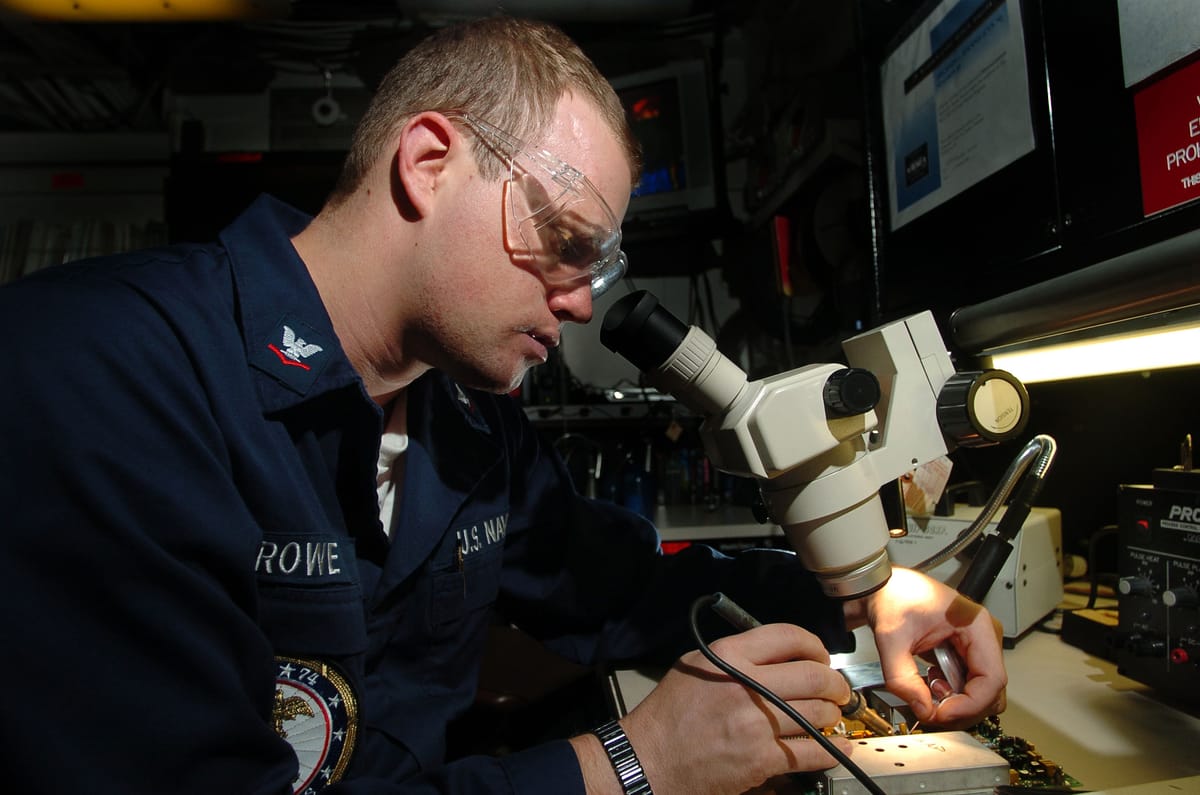
Portugal has let another European deadline slip by. As of 31 July 2026 — the date by which member states were meant to write the European Union's right-to-repair rules into national law — Portugal had not done so, and environmental groups are warning that consumers will pay the price. The associations Quercus, Zero and Circular Economy Portugal jointly raised the alarm, calling the delay "yet another" setback for the country's circular economy.
What the directive would do
The Directiva do Direito à Reparação (Right to Repair Directive) obliges manufacturers to repair a range of everyday goods — household appliances, smartphones and other electronics — even after the legal warranty has expired, and to make spare parts and repair information available at reasonable cost. It also extends the guarantee when a product is repaired rather than replaced, gives buyers clearer information about how durable and repairable an item is, and is meant to curb both planned obsolescence and the "greenwashing" of throwaway design.
Transposing an EU directive is the step that turns Brussels rules into enforceable national law. Until Portugal does so, the groups argue, consumers here lack the legal footing their counterparts elsewhere in Europe are gaining to demand a repair over a replacement.
A missed chance to go further
The environmental associations say the delay is not merely a matter of paperwork. They had hoped Portugal would use the transposition to build on the minimum the directive requires: a repair support or voucher scheme to make fixing an appliance cheaper than binning it, funded training to rebuild a shrinking pool of skilled repair technicians, and a national digital platform where consumers could find accredited repairers near them. None of that can advance while the enabling law is stuck.
For a country that generates significant electronic waste, they add, the incentives matter as much as the rules. Making repair the easy, affordable option is what actually keeps devices out of landfill; a directive left untransposed changes nothing on a kitchen counter or in a repair shop.
A familiar pattern
The missed date fits a run of delays that has repeatedly drawn Brussels's attention. The European Commission has already taken Portugal to court, or opened infringement proceedings, over the late transposition of several other environmental measures, from green-labelling rules to renewable-energy promotion. Each slippage risks financial penalties and, the groups say, leaves Portugal trailing on commitments it has already signed up to. For residents, the practical effect is simpler: the right to have a broken phone or washing machine fixed, rather than replaced, remains for now a European promise that has not yet reached Portuguese law.