Portugal Lets Tourist-Pressured Councils Freeze New Short-Term Rentals Until the End of 2026
A new decree-law gives municipalities with more than 1,000 registered short-term rentals until 31 December 2026 to write local rules for alojamento local — and lets them suspend new registrations meanwhile. Lisbon, Porto, Funchal and Sintra already restrict lettings in their busiest zones.
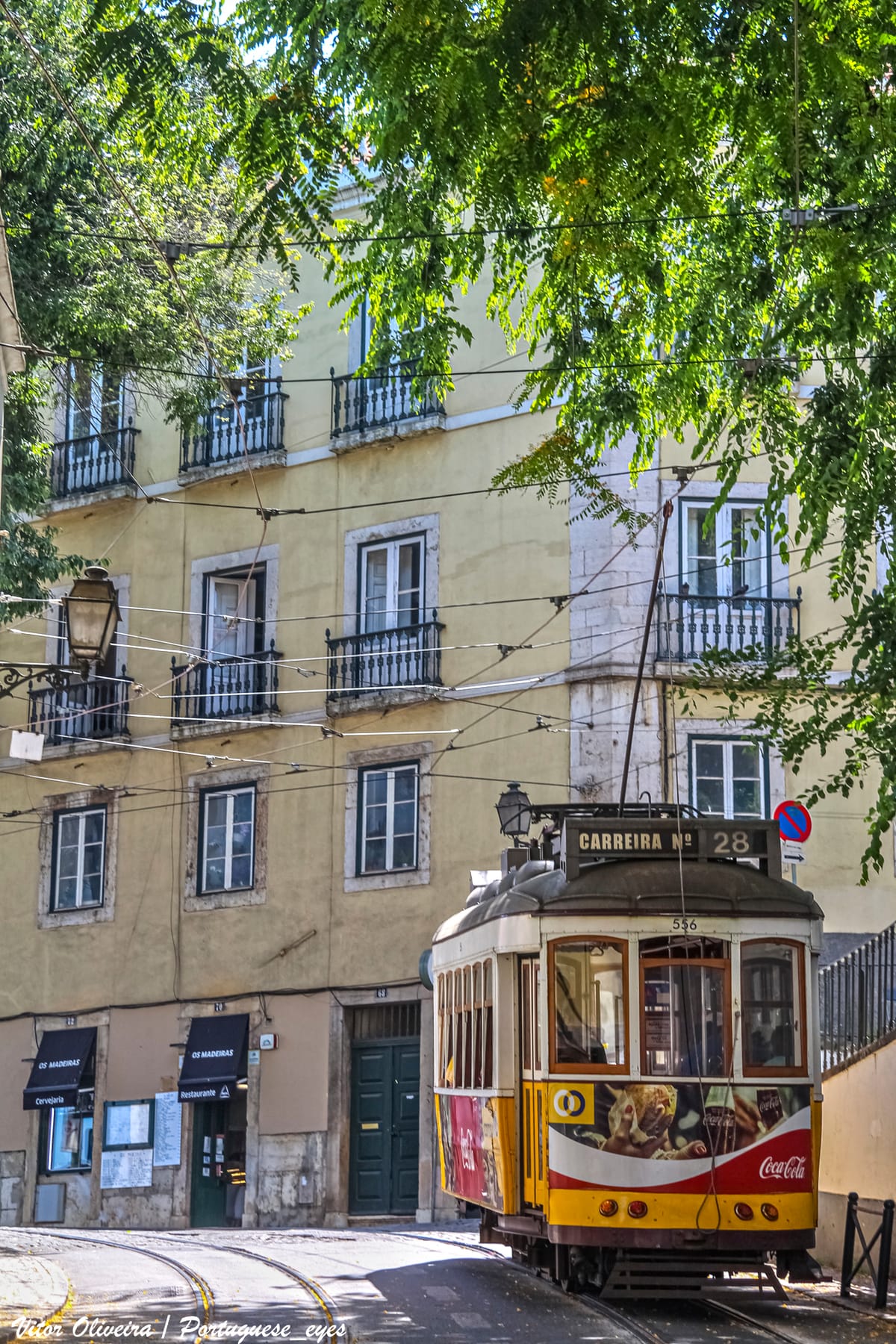
Portugal has handed its most tourist-pressured town halls a fresh tool to slow the spread of short-term rentals. A decree-law published in the official gazette, the Diário da República (Official Gazette), on Thursday creates an exceptional regime for local accommodation (alojamento local, or AL) — the licensed short-stay lettings that fill much of Lisbon's and Porto's historic centres — giving councils until the end of 2026 to decide whether, and how, to regulate the activity.
The new rules apply to municipalities that had more than 1,000 registered AL units as of 31 December 2025. Those councils now have until 31 December 2026 to draw up or amend local regulations, and — crucially — may extend a suspension on new AL registrations while they do so. A single municipal decision can trigger the freeze, though any extension must be approved by the municipal assembly on a proposal from the council.
Limited, and time-boxed
The government has tried to keep the power narrow. Any suspension must be "limited to the strictly necessary period" for drafting or revising the local rules, and cannot run past 31 December 2026. It lapses automatically once a regulation takes effect, if the assembly votes to end it, or when the deadline passes. In other words, this is a window for councils to write durable rules of their own — not an open-ended ban.
Several places will not be starting from scratch. Lisbon, Porto, Funchal, Sintra, Vila Nova de Gaia and Viana do Castelo already enforce suspensions or tight restrictions in their most tourist-saturated zones, where residents' associations have long argued that whole neighbourhoods are being hollowed out into de facto hotels. The decree, approved in principle in mid-June, gives that patchwork of local action a clearer legal footing.
What it means for owners and would-be hosts
For expats, this is one of the more consequential housing measures of the summer, because so many foreign residents sit on both sides of the AL question. Those who own or are thinking of buying a property to let short-term should assume that, in the busiest districts, the door to new registrations may be closed for months — and that the rules governing quotas, zoning and licences could look different by the time it reopens. Anyone mid-purchase on that basis should check the position with the specific município before committing.
Existing, already-registered operators are not the target of the freeze, which bites on new entrants; but the broader direction of travel is toward tighter local control, and owners should watch their council's regulations closely as they emerge. Renters and buyers, meanwhile, may welcome the shift. The policy sits inside a wider push to ease a housing squeeze that has driven rental demand up 36 percent per listing and pushed the state to open an emergency fund for tenants facing eviction. Curbing short-term lets is, in theory, one way to return apartments to the long-term market — though whether it moves rents in practice is fiercely contested.
It also lands in the same week that borrowing got harder: from 1 August the Bank of Portugal caps household loan repayments at 45 percent of net income, tightening the maths for anyone hoping to buy a flat to rent out. Taken together, the two measures point the same way — nudging property back toward people who live in it, and away from the tourist economy that has reshaped Portugal's cities over the past decade. How far councils actually push their new powers, and how quickly, will decide whether that nudge amounts to anything.