Portugal Leans Less on Imported Energy Than at Any Time Since 2000, Though It Still Depends on Imports More Than the EU Average
INE puts energy dependence at 61.1 percent in 2024, down from 75.5 percent in 2015, as gas burned for power fell almost 40 percent and solar, hydro and wind rose. Energy intensity also hit a record low.
Portugal relied less on imported energy in 2024 than in any year since at least 2000. The Instituto Nacional de Estatística (INE, Statistics Portugal) said on Monday that energy dependence fell to 61.1 percent, down from 63.7 percent in 2023 and 14.4 percentage points below 2015. INE measures dependence as net energy imports divided by the energy the economy uses at home, in its physical energy flow accounts.
The same release shows the economy squeezing more out of each unit of energy. Energy intensity fell 6.7 percent to 3.40 megajoules per euro of GDP, also the lowest since 2000, because energy use fell 4.2 percent while GDP grew 2.7 percent.
A decade of decline, with one setback
INE's series shows how uneven the fall has been. Dependence stood at 75.5 percent in 2015 and 76.7 percent in 2017, then dropped to 64.2 percent in 2020. It jumped back to 71.1 percent in 2022, the year of the European energy price shock, and has fallen in each of the two years since.
Where the change came from: the power sector
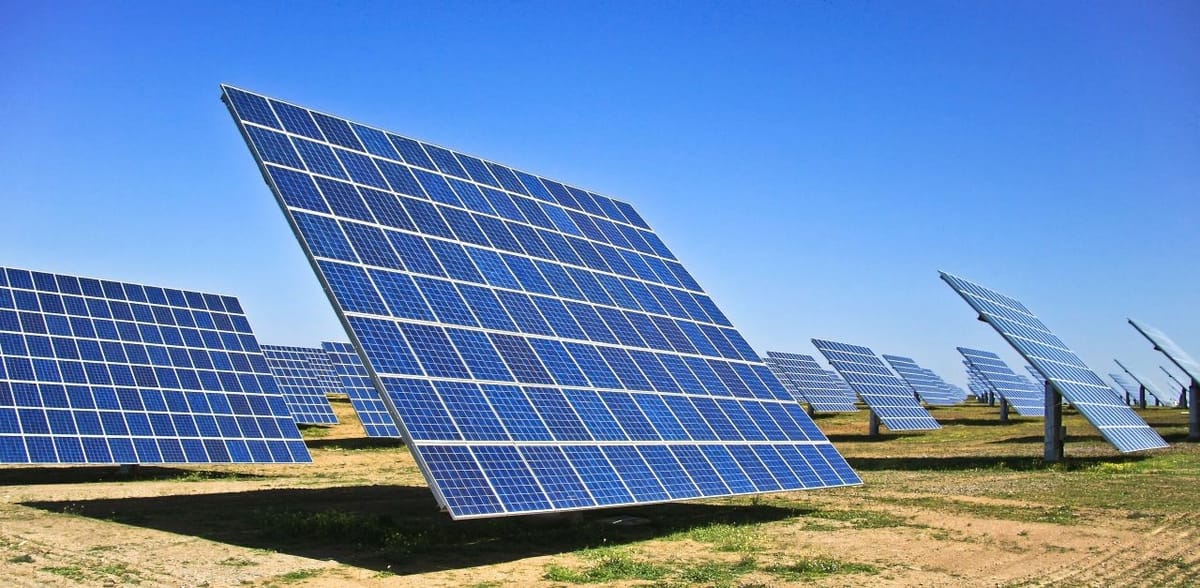
Most of the 2024 improvement happened in electricity. The amount of natural gas burned to make power fell 39.8 percent, and no coal has been used since 2023, after the last coal plants closed. Meanwhile, the energy flowing into power generation from the sun rose 29.4 percent, from water 23.7 percent and from wind 9.7 percent.
INE puts the renewable share of the energy used to generate electricity at 77.4 percent in 2024, up from 67.2 percent. It warns that this is not the same as the share of electricity produced from renewables, which counts output rather than inputs. On that measure, Eurostat gives Portugal 65.8 percent for 2024, against an EU average of 47.5 percent.
Households used less, and more of it was electric
Households used 4.6 percent less energy in 2024. The biggest drop was in diesel for their own transport, down 19.3 percent. Electricity's share of household energy rose from 28.7 percent to 31.1 percent, though INE cautions that the shift alone does not prove people swapped fuel for electric appliances or cars. Energy use per euro of household spending fell 7.2 percent.
Businesses' energy use was flat (down 0.1 percent). Electricity and diesel together still make up 61.3 percent of it.
Still more dependent than the EU average
The record low does not make Portugal energy-independent. Eurostat, which measures dependence slightly differently, puts Portugal at 64.5 percent in 2024, the lowest in its series back to 1990 but above the EU average of 57.3 percent. On that measure Portugal was the 12th most import-dependent of the 27 member states, less dependent than Spain (68.9 percent) or Italy (73.9 percent) but far more than France (41.7 percent). INE's and Eurostat's figures use different methods and should not be set side by side.
Portugal does better on efficiency. In 2023, the latest year for comparison, it had the second-lowest energy intensity in the EU, 21.1 percent below the average, INE says. Renewables covered 36.3 percent of gross final energy consumption in 2024, against 25.2 percent across the EU. The goal for 2030 set in October is 49 percent, two points below the 51 percent in its own climate plan.
What it means for residents
A lower dependence on imported oil and gas leaves the country less exposed to price shocks of the kind seen in 2022, when dependence rose sharply. It does not by itself lower bills: household prices still follow wholesale markets, taxes and network charges. Energy prices at the factory gate were 37.9 percent higher in October than a year earlier. INE's accounts for 2025 are not due until November 2027.
Sources: INE, Conta de Fluxos Físicos de Energia 2015 to 2024 (Destaque, 23 November 2026); Eurostat datasets nrg_ind_id and nrg_ind_ren.