Bird Flu Reaches a Portuguese Poultry Farm for the First Time This Year, Freezing Bird and Egg Movements Around Tomar Until 26 December
DGAV confirmed H5N1 at a breeding-hen farm in Paialvo, Tomar, and warns of a high risk of spread. Restriction zones cover parts of eight municipalities, and backyard flocks in high-risk parishes must be kept indoors.
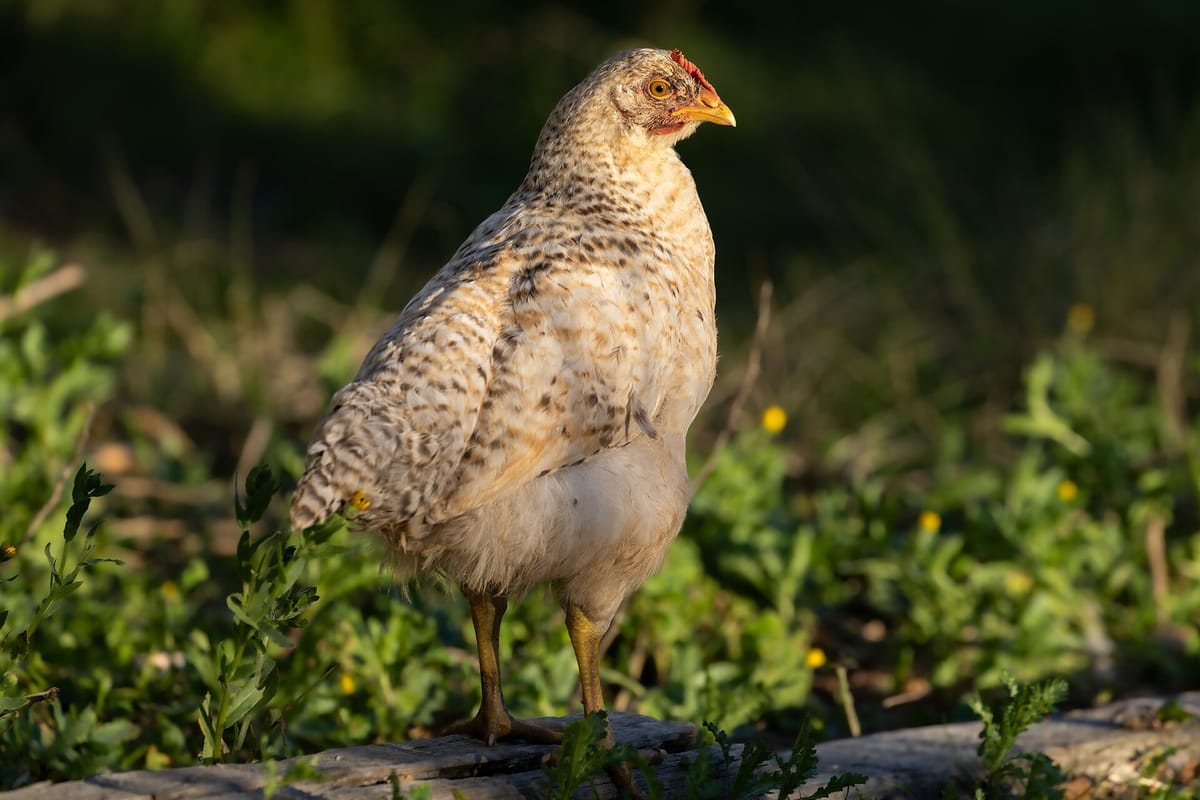
Highly pathogenic bird flu is back on a Portuguese poultry farm. The Direção-Geral de Alimentação e Veterinária (DGAV, the national food and veterinary authority) confirmed an outbreak of the H5N1 virus on 19 November at a commercial farm of breeding hens in the parish of Paialvo, in Tomar, Santarém district. In a press release on Monday, the authority warned of a "high level of risk" that the disease will spread.
The birds were culled and the farm is being cleaned and disinfected. It is the first outbreak on a poultry farm in Portugal this year. Portugal regained its bird-flu-free status earlier this year, after the outbreaks of late 2025.
How the season is shaping up
DGAV's own figures show five H5N1 cases so far in 2026, four of them in wild birds. Two have come since the new season began on 1 October: a gull found in Peniche, Leiria district, confirmed on 18 November, and the Tomar farm a day later. Last season brought 29 outbreaks, 11 of them on commercial farms.
The restriction zones around Tomar
Edital n.º 50 (DGAV notice no. 50), signed on 18 November, draws a protection zone with a 3 km radius around the farm and a surveillance zone with a 10 km radius. The restrictions are due to stay in place until 26 December.
The zones take in parishes in eight municipalities: Tomar, Vila Nova da Barquinha, Torres Novas, Abrantes (Martinchel), Chamusca (Carregueira), Constância, Entroncamento (Nossa Senhora de Fátima) and Golegã. Inside them, the notice bans:
- moving kept birds into or out of any holding;
- bird fairs, markets, shows and other gatherings of kept birds;
- moving hatching eggs and eggs for eating, fresh poultry meat from local slaughterhouses, and animal by-products, unless DGAV grants an exemption (heat-treated products are exempt).
Backyard hens: what applies to you
The same notice orders poultry and captive birds, explicitly including backyard flocks ("detenções caseiras"), to be kept indoors in the parishes DGAV classes as high-risk for bird flu, so they cannot come into contact with wild birds. The list mostly follows the coast, wetlands and river valleys, from Caminha to the Algarve, and includes Paialvo, parts of Lisbon and Porto, the Tagus estuary and the Alqueva area. Check your parish in annex 2 of the notice.
DGAV asks keepers to report any suspicion at once. Its warning signs are daily deaths above 2 percent, feed or water intake down more than 20 percent, or egg laying down more than 5 percent for two days, with no other explanation. Keeping even a few hens for your own eggs requires registration with DGAV as a "detenção caseira" (backyard holding); the fee is 4.59 euros.
Eggs, chicken and people
DGAV says there is no epidemiological evidence that bird flu passes to people through food, including poultry meat and eggs. The European Centre for Disease Prevention and Control (ECDC) rates the risk from the H5N1 strain circulating in Europe as low for the general public and low to moderate for people who work with infected birds. No sustained human-to-human spread has been recorded. The European Food Safety Authority's usual advice stands: cook poultry thoroughly.
If you find a dead wild bird
Do not touch it. Report a dead wild bird to your local DGAV office or the municipal vet, so it can be collected and tested. Sick or injured wild birds go to the Instituto da Conservação da Natureza e das Florestas (ICNF, the nature conservation agency) or the GNR's environmental unit, SEPNA. You can also report either through ICNF's ANIMAS service at animas.icnf.pt.
Sources: DGAV press release (23 November 2026), Edital n.º 50 (18 November 2026), DGAV's avian influenza page and 2026/27 outbreak table, DGAV Aviso n.º 21 (19 December 2025) and backyard-holding registration page; ECDC and EFSA avian influenza overview (September 2026).