Portugal Gives Wine Its Own National Day as the Vine and Wine Institute Turns Forty
The Council of Ministers has created a National Day of the Vine and Wine, to be marked every 31 July — the date the IVV was founded in 1986, now forty years ago. It arrives as producers face falling consumption and US tariffs, even as the sector eyes one billion euros in exports in 2026.
Portugal has given its most storied product a date on the national calendar. The Conselho de Ministros (Council of Ministers) has approved a resolution instituting a Dia Nacional da Vinha e do Vinho (National Day of the Vine and Wine), to be marked every year on 31 July. The choice of date is deliberate: it was on 31 July 1986 that the government approved the diploma creating the Instituto da Vinha e do Vinho (Institute of Vine and Wine, or IVV), the sector's regulator, which turns forty this year.
A pillar of the Portuguese table
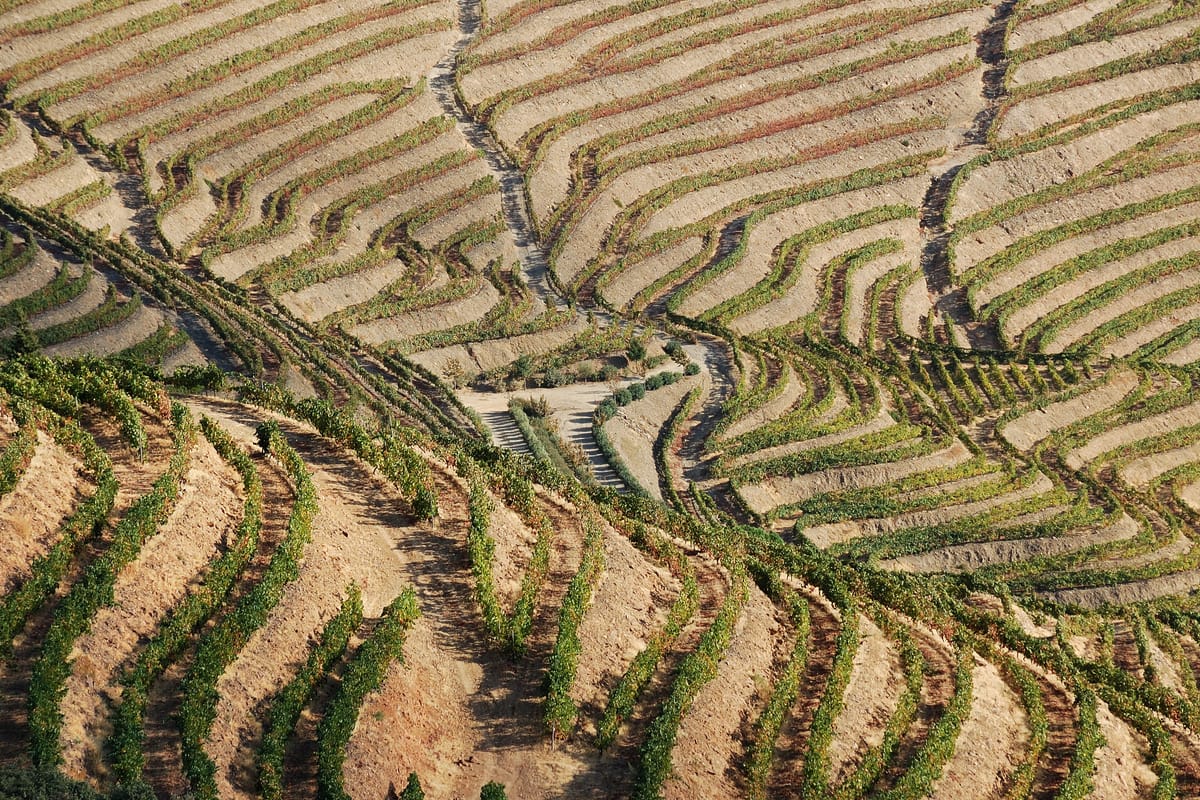
In announcing the day, the government described wine as one of the pillars of the Portuguese table, with a reach that is at once social, economic, cultural, religious, environmental and bound up with the landscape itself. Few products carry so much of the country's identity: the terraced Douro, the plains of the Alentejo and the volcanic vineyards of the Azores are as much a part of the national image abroad as they are of rural livelihoods at home. The new commemoration is intended to recognise that heritage and to celebrate the diversity of Portugal's grape varieties and wine regions.
To coincide with the inaugural day, the IVV is launching a new vine-and-wine portal and publishing the 2025 anuário (yearbook) of Portuguese wines and spirits, drawing together the season's production and market data in one place.
A sector under pressure
The celebration lands at an awkward moment for the trade. Producers placed roughly 726 million litres of wine on the market in 2025, for domestic consumption and export combined — about 23 million litres fewer than in 2024, as global wine drinking continues its long, slow decline. American tariffs and the retreat of some large United States importers have added fresh uncertainty for a sector that sells heavily abroad.
Even so, the IVV remains optimistic about exports. The institute's leadership expects foreign sales to reach one billion euros in 2026 — equivalent to around half of national production — a milestone once pencilled in for 2023 but never quite reached. A more ambitious target of 1.2 billion euros in exports has now been set for 2030.
Why it matters
For residents, a national wine day is more than ceremony. Viticulture underpins tens of thousands of jobs and shapes the countryside across most of the mainland and the islands, from smallholders to cooperatives to export houses. By fixing a symbolic date and pairing it with better public data, the government is trying to keep a heritage industry visible at a time when consumption is falling and trade barriers are rising — and to remind a wine-drinking country of how much of its economy and its landscape still grows on the vine.