Portugal Files a Seventh and Final Revision of Its EU Recovery Plan to Avoid Handing Money Back to Brussels
With roughly six weeks left before the plan closes, the government has submitted the seventh and final reprogramming of Portugal's PRR recovery fund. The Porto Metro Ruby Line loses €73 million in financing and 92 health centres shift to the loan component as Lisbon races to protect its allocation.
Portugal has sent Brussels one last set of changes to the way it spends its European recovery money, racing to reshuffle unmet targets before the clock runs out. The government has submitted what it describes as the seventh and final reprogramming of the PRR (Plano de Recuperação e Resiliência, or Recovery and Resilience Plan), the roughly €22 billion national slice of the EU's post-pandemic recovery fund, with only about six weeks left before the plan is due to close.
The point of the exercise is defensive. Milestones and targets that a country fails to hit by the deadline translate directly into money it has to hand back to the European Commission, and Portugal is trying to make sure as little of its allocation as possible falls into that category. Rather than chase objectives that can no longer realistically be completed in time, the revision moves the goalposts around: ten milestones and targets have been pulled forward from the tenth payment request to the ninth, thirteen have been pushed the other way from the ninth to the tenth, and eight have been dropped altogether.
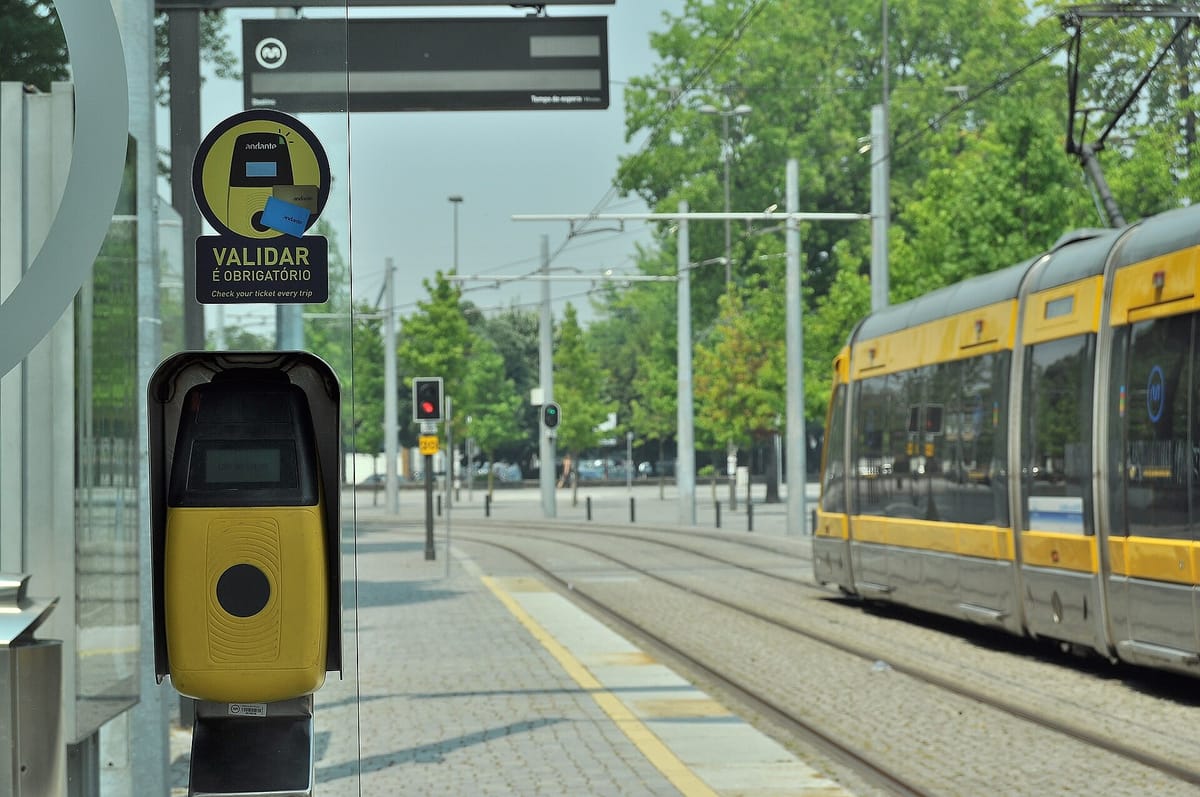
Behind that accounting sit real projects that are being trimmed or restructured. One of the most visible casualties is Metro do Porto (Porto Metro): its new Linha Rubi (Ruby Line), the planned river-crossing connection between Porto and Vila Nova de Gaia, loses €73 million of PRR financing under the revised plan, money the operator will now have to find from other sources to keep the works on track. Elsewhere, 92 health centres earmarked for renovation are being shifted from the grant side of the programme to its loan component — a change that keeps the projects alive but moves them off the pot of money that never has to be repaid.
Portugal is not, by European standards, a laggard here. With Brussels having already cleared the ninth payment request earlier this month, the plan's execution rate is set to climb from around 61% to about 75%, which places the country among the stronger performers in the bloc for drawing down recovery funds. But the final stretch is where the risk concentrates, because the fund was designed with a hard end date and there is no mechanism to simply extend it for stragglers. Every target still outstanding as the deadline arrives becomes a live question of whether the associated tranche is paid in full.
This is the seventh time Lisbon has renegotiated the plan since it was first agreed, a sequence of adjustments that reflects both the scale of the programme and the difficulty of spending such a large sum of money productively in a compressed window. Earlier rounds cut financing for housing and mobility projects and reduced headline targets that the Commission itself had signalled were unrealistic. This latest submission is billed as the last chance to tidy the ledger before the accounts are effectively closed.
For residents, the consequences are concrete even if the paperwork is abstract. Some promised upgrades — a metro line here, a batch of refurbished health centres there — will still happen, but on a different financial footing or a slower timetable than the original plan advertised. The broader test, once the final payment request is settled, will be how much of Portugal's recovery envelope was actually turned into finished infrastructure, and how much slipped away as targets that could not be met in time.