Portugal Edges Above the EU Average to Ninth in Europe's Gender Equality Index, With Health and Care Still Lagging
Portugal scores 65.7 out of 100 in EIGE's 2026 Gender Equality Index, ninth in the EU and above the 64.5 average, after a 2.2-point gain driven by power and health. Health self-ratings and unpaid care remain its weak spots.
Portugal is ninth in the European Union in the 2026 Gender Equality Index, published today by the European Institute for Gender Equality (EIGE), the EU agency that scores each member state from 0 to 100, where 100 would mean full equality between women and men. Portugal scores 65.7 points, up 2.2 points on last year's edition and 7.4 points since 2020, and now sits above the EU average of 64.5. France tops the table for the first time, with 74.8.
According to EIGE's Portugal country profile, the country was once close to the EU average but has risen faster than it. Most of this year's gain came from the domains of power and health. Measured against the EU over the past decade, EIGE lists Portugal among the member states in "upward convergence".
Where Portugal does well, and where it does not
The index is built from six domains. Portugal's scores against the EU averages are:
- Work: 75.7 (EU 70.7), its best domain, eighth in the EU
- Money: 80.0 (EU 75.2), the one domain that slipped this year, by 0.4 points
- Knowledge: 55.7 (EU 57.3)
- Time: 67.0 (EU 65.0)
- Power: 43.4 (EU 42.9), its lowest score, though 11th in the EU and up 6.6 points in a year
- Health: 82.1 (EU 86.4), 23rd in the EU and the area with most room to improve
The health result is driven by how people rate their own health: 49 percent of women and 56 percent of men in Portugal call it good or very good, among the lowest levels in the EU. Women aged 65 and over can expect to spend 42 percent of their remaining life in good health, against 54 percent for men; EIGE says that is the widest gender gap in healthy life years at 65 across the EU.
Care still falls mostly on women
This year's edition is themed on parental leave. Across the EU, EIGE finds that around 41 percent of women provide more than 35 hours of childcare a week, against 20 percent of men. In Portugal the figures are 28 percent and 14 percent, which EIGE calls one of the smallest childcare gaps in the EU, though still wide.
Other care work is more lopsided. Among people aged 45 to 64, 32 percent of women and 16 percent of men in Portugal provide more than 20 hours a week of long-term care, one of the widest gaps in the EU. Daily housework is done by 66 percent of women and 44 percent of men, the highest levels in the EU for both. Women also have less leisure: 21 percent spend more than 8 hours a week on it, against 31 percent of men.
What it means for you
- At work: working lives are long and close between the sexes (39 years for women, 41 for men), but the full-time equivalent employment gap widens to 11 percentage points for couples with children and to 12 points for people born outside Portugal.
- Pay and pensions: 25 percent of women and 21 percent of men are low-paid, below the EU rates. The gender pension gap stands at 22 percent, near the EU's 24 percent. Our October report on women's old-age pensions looks at the Social Security figures.
- Power: women hold 40 percent of ministerial posts, 36 percent of seats in parliament and 36 percent of board seats in the largest listed companies.
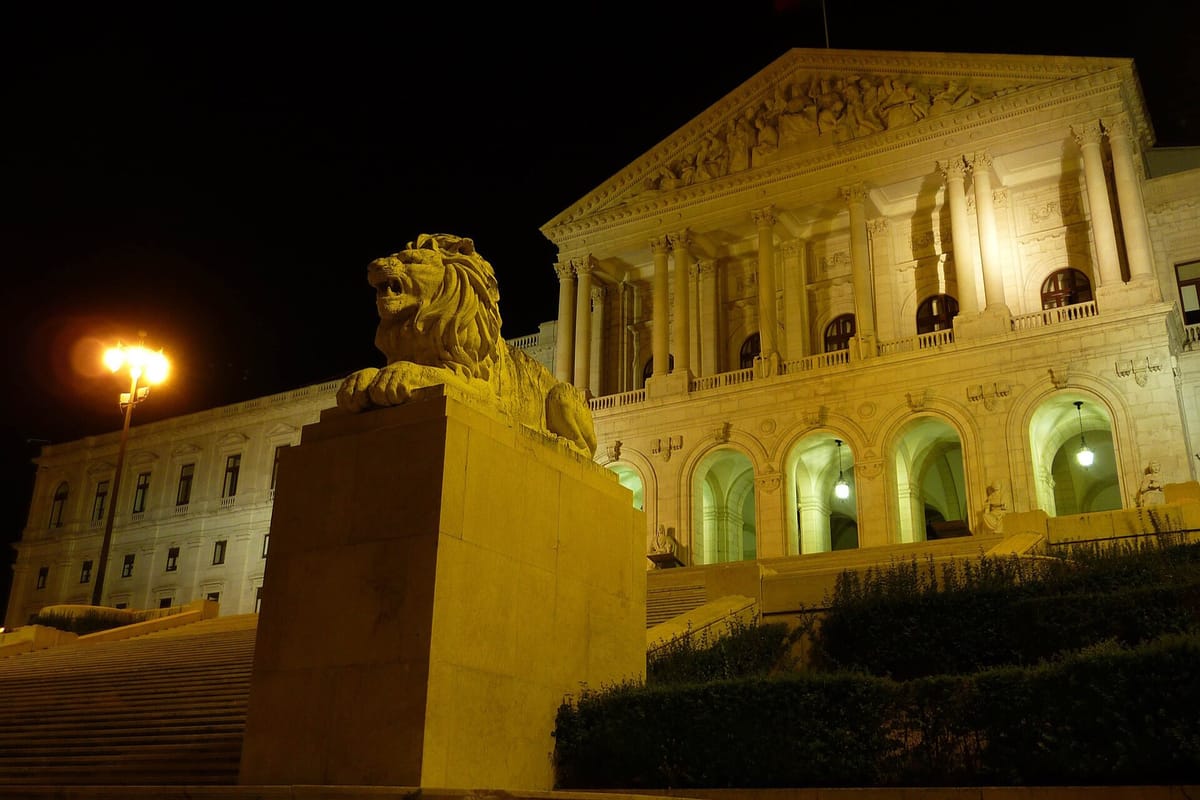
The index lands as parliament works on longer paid parental leave; a PSD and PS text would extend fully paid leave to five months, or six when parents share it.