Court of Auditors Questions Two Consultancy Contracts Behind the SNS Emergency Plan, Which Had Spent 117 of Its 442 Million Euros by May 2025
The Court of Auditors questions why the Health Ministry paid IQVIA 82,900 euros to help design and monitor its emergency health plan, and says only 117.4 of 442.3 million euros could be traced as spent by May 2025.
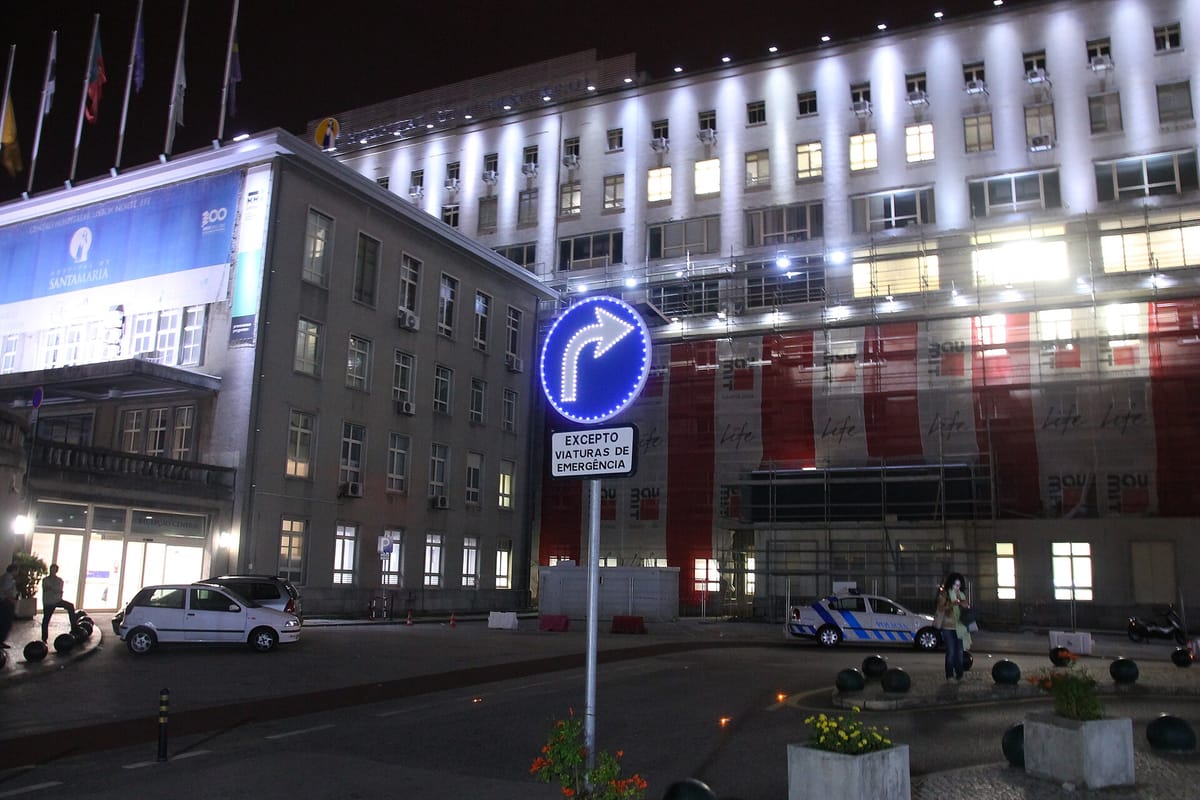
The Court of Auditors (Tribunal de Contas) has questioned why the Health Ministry paid an outside consultancy to help design and monitor the government's health emergency plan. The Plano de Emergência e Transformação na Saúde (PETS, the Health Emergency and Transformation Plan) was costed at 442.3 million euros for 2024 and 2025, but the only spending figure the ministry could give the court was 117.4 million euros to the end of May 2025, or 27 percent.
The findings are in the court's audit report n.º 12/2026, dated October 2026. Público reported it on Thursday, noting that the court does not question whether the contracts were legal.
Two contracts with IQVIA
The ministry hired IQVIA Solutions Portugal twice, for 82,900 euros before VAT in total, according to the report:
- On 22 May 2024 the minister's office awarded a 9,250 euro contract without a tender to structure and write the plan from the input of the working group of clinicians and managers that designed it.
- On 29 August 2024 the SNS Executive Board signed a 73,650 euro contract (90,589.50 euros with VAT) to set up the plan's monitoring indicators and public dashboard.
The ministry's general secretariat told the court it lacked in-house consultancy skills and that other health bodies said they did not have the staff. The court points out that the state has its own planning and policy evaluation centre, PLANAPP, in the Presidency of the Council of Ministers, and found no evidence the ministry asked it for help. It also notes that the second contract expected the first indicators to be published in July and August, which was impossible once it was signed on 29 August; structured data first appeared on 20 December 2024.
What the plan promised patients
The plan has 54 measures in five areas: 15 urgent ones due by the end of August 2024, 24 priority ones due by the end of December 2024, and 15 longer-term reforms. Its promised results included an end to waiting lists for cancer surgery in the SNS, maximum guaranteed waiting times met across the country, a family doctor for 350,000 people in Lisbon and the Tagus Valley, the Alentejo and the Algarve through a partnership with the social sector, 20 new type C family health units, and clinical care centres for less complex urgent cases to take pressure off A&E departments.
Where it stands, according to the court
- Only in November 2025 was the health budget topped up with 22.9 million euros for the plan, about 5 percent of the estimated need.
- The 174 monitoring indicators in the approved plan were cut to 55, and some of the longer-term measures still have none.
- The working group meant to report monthly published two reports, covering December 2024 and March 2025, and the public portal does not show an overall completion rate.
- The plan's execution coordinator left on 5 June 2025 and no replacement was appointed.
The court recommends that the ministry publish monitoring data regularly and use it to adjust measures and deadlines. The ministry has six months to tell the court what it has done.
What it means for you
The audit does not change any patient's rights or waiting-time limits. It does mean there is no complete official figure for how much of the plan has been delivered, and the court says the information on the public portal is incomplete. The plan sits against a health service already heading for an overspend of about 11 percent in 2026, and the new system for hospital appointments and surgery lists has been pushed back to January.