Portugal Draws a Red Line on the Strait of Hormuz
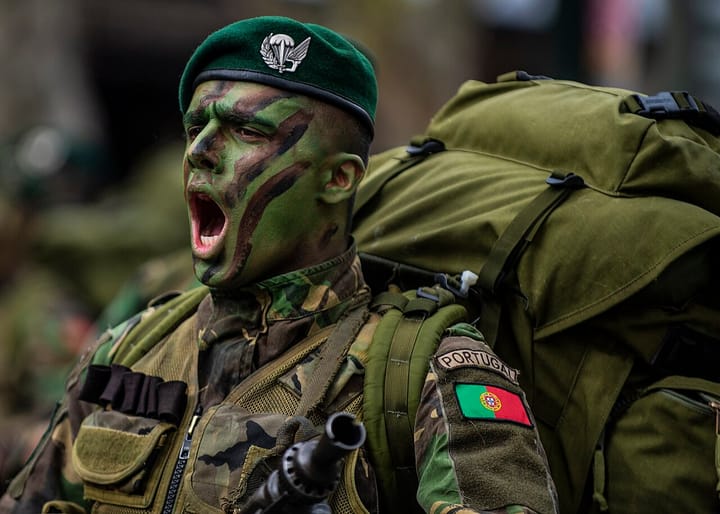
Foreign Affairs Minister Paulo Rangel made Portugal's position on the Strait of Hormuz crisis unambiguous on Sunday: the country will not deploy military assets to the region, regardless of pressure from Washington. "Portugal is not, nor will it be,...
Foreign Affairs Minister Paulo Rangel made Portugal's position on the Strait of Hormuz crisis unambiguous on Sunday: the country will not deploy military assets to the region, regardless of pressure from Washington.
"Portugal is not, nor will it be, involved in this conflict," Rangel told reporters after a meeting of EU foreign ministers in Brussels, adding that the stance is shared by a broad consensus of European Union member states.
The declaration comes as US President Donald Trump warned NATO allies of a "very bad future" if they refuse to help reopen the strait, a vital chokepoint for global oil shipments. Rangel acknowledged the importance of freedom of navigation but insisted that political and diplomatic channels are the appropriate instruments, not warships.
When pressed on whether Portugal would support extending the EU's existing Aspides mission in the Red Sea to the Hormuz strait, Rangel was measured. Both Aspides and the Atalanta operation in the Indian Ocean "could have some reinforcement," he said, but stressed that neither mission was designed for the current confrontation and should not be repurposed for it.
The position places Portugal squarely within the European mainstream, where most capitals have resisted American calls for a military build-up in the Persian Gulf. It also reflects a broader Portuguese foreign policy tradition of favouring multilateral diplomacy over expeditionary commitments, a posture that has remained consistent across governments of different political stripes.
For the thousands of foreign nationals who have built lives in Portugal, the stance carries a practical dimension beyond geopolitics. The Strait of Hormuz crisis has already pushed energy prices higher across Europe, and Portugal's fuel costs have been climbing for weeks. The government last week approved extraordinary ISP tax cuts of up to 6.1 cents per litre on diesel and 3.3 cents on petrol to cushion the blow, but those measures are temporary. A prolonged standoff could test the limits of what fiscal relief can absorb.
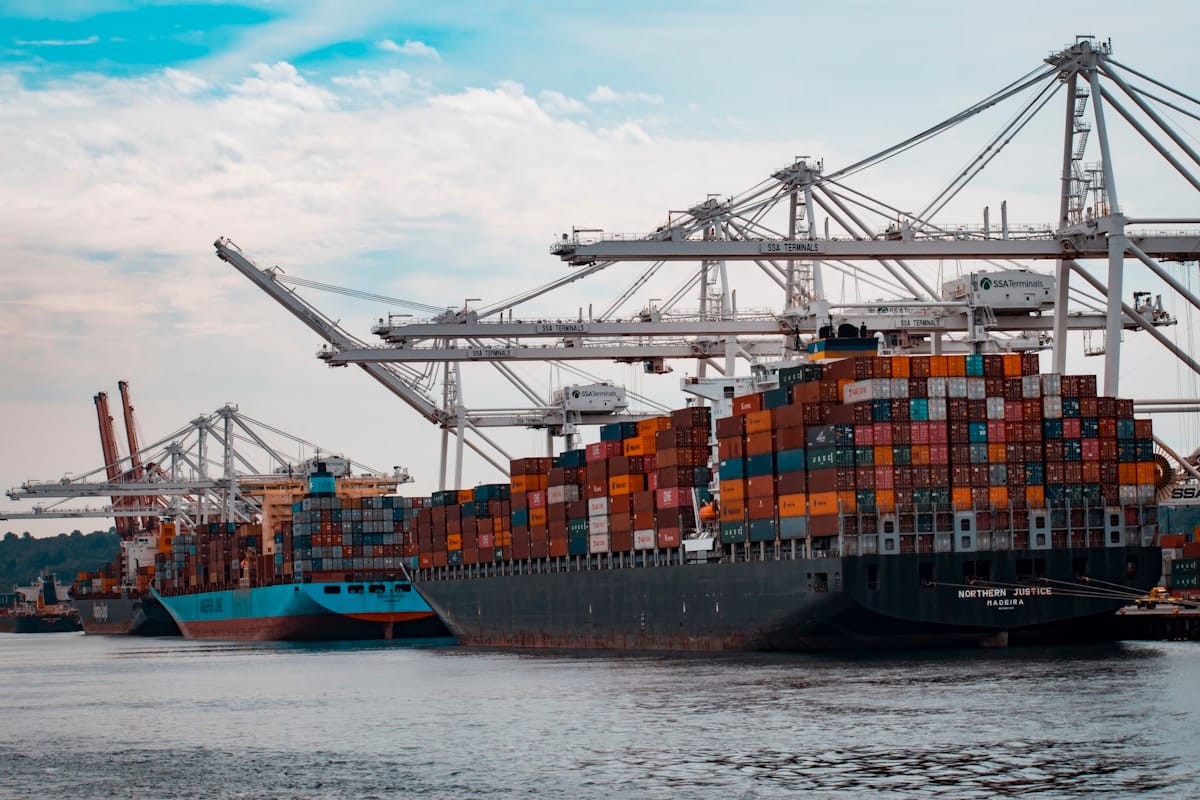
Portuguese exporters are already feeling the squeeze. Companies like Silampos, a kitchenware manufacturer based in the north, have hundreds of thousands of euros worth of goods stranded because destination ports in Dubai, Saudi Arabia, Oman, Iraq, and Qatar are experiencing severe logistical disruptions. The Middle East accounts for roughly 10% of the company's exports, with an order worth approximately half a million euros currently stuck in Portugal.
Rangel's message was calibrated to reassure on two fronts simultaneously: Portugal will not be drawn into a military adventure, but it recognises the economic stakes and is working within European channels to resolve them. Whether diplomacy alone can reopen one of the world's most important shipping lanes remains the open question that no minister in Brussels could fully answer.