Portugal Marks 40 Years in the European Union on Saturday 9 May 2026 — Dia da Europa Cerimónia Oficial Lands at the Paços do Concelho do Porto, with Maria Luís Albuquerque, Inês Domingos and Carlos Coelho Leading the 11:00 Sessão Solene
The cerimónia oficial of the Dia da Europa lands at the Paços do Concelho do Porto on Saturday 9 May 2026 for Portugal's 40 years in the EU. Maria Luís Albuquerque, Inês Domingos and Carlos Coelho lead the 11:00 session; the noon flag-raising and the free Aliados concert open the public day.
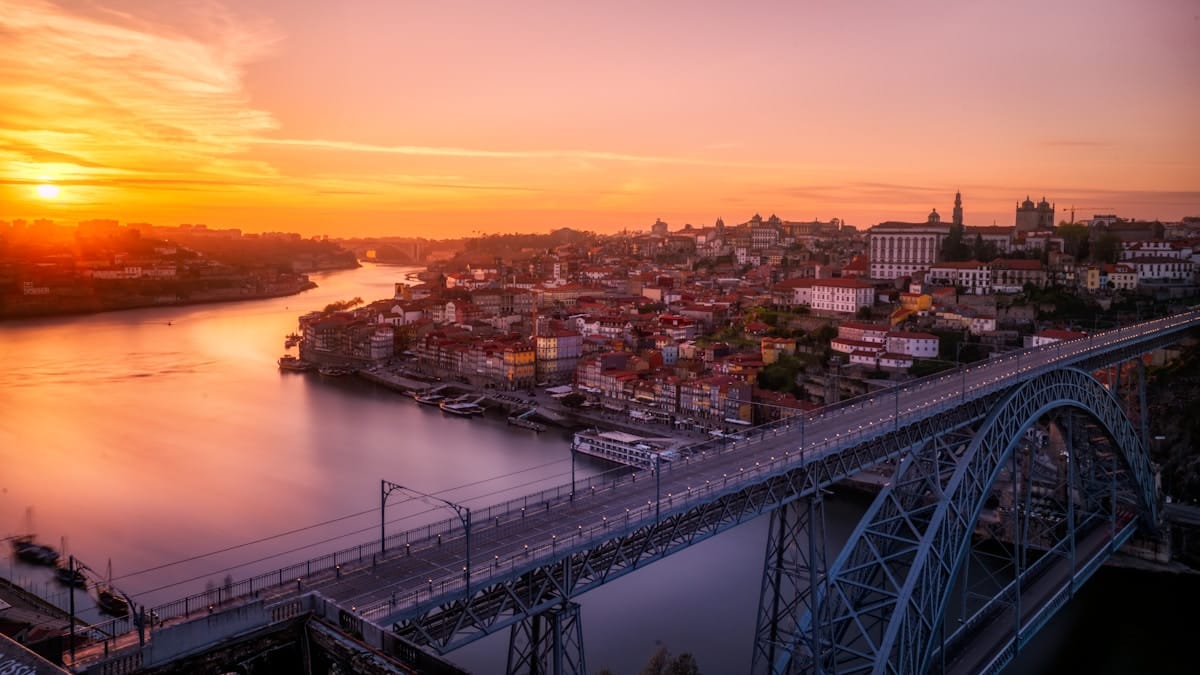
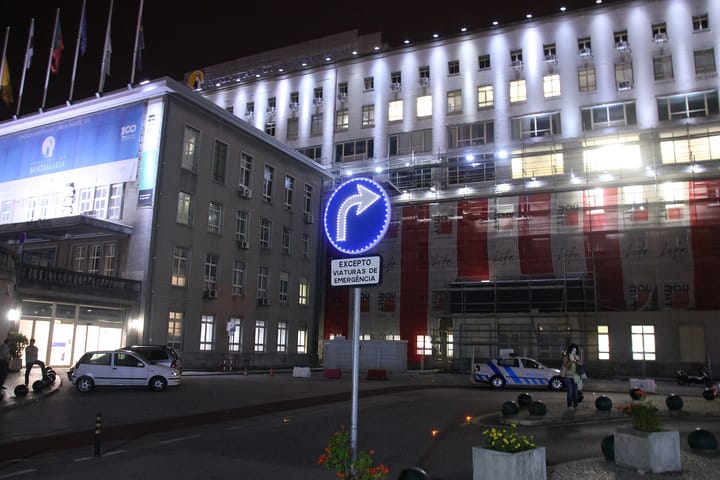
Saturday 9 May 2026 doubles the symbolism. It is the 76th anniversary of the Robert Schuman Declaration of 1950, the founding moment of the European integration project that the European Union now commemorates as Dia da Europa, and it is also the central national date in the year-long programme that marks the 40th anniversary of Portugal's accession to the European Economic Community — the Treaty of Accession was signed at the Mosteiro dos Jerónimos on 12 June 1985 and entered into force on 1 January 1986. The Comissão Europeia's Representação em Portugal moved the cerimónia oficial of the Dia da Europa out of Lisbon for the 40-year mark and onto the Paços do Concelho do Porto, with a sessão solene at 11:00, an EU flag-raising at noon in Praça General Humberto Delgado, a free concert on the Aliados, and a 21:00 illumination of the City Hall façade in the colours of the European flag.
The 11:00 sessão solene at the Paços do Concelho
The cerimónia oficial opens at the Salão Nobre dos Paços do Concelho do Porto at 11:00. The Comissão Europeia is represented by Maria Luís Albuquerque, the former Portuguese Minister of Finance who took up the European Commissioner portfolio for Financial Services and the Savings and Investments Union under Ursula von der Leyen's second College in 2024. The Portuguese Government is represented by the Secretária de Estado dos Assuntos Europeus, Inês Domingos. The Câmara Municipal do Porto is represented by the Presidente Pedro Duarte, with the city hall doubling as the host institution and providing the Salão Nobre. The Banco Europeu de Investimento and the Gabinete do Parlamento Europeu em Portugal are also represented at the head table. Carlos Coelho, the Comissário designated by the Council of Ministers for the 40-year commemoration cycle, delivers the central address — the same role he has played at every regional commemoration through the spring, from the Algarve programme launched on 8 May at the Mário Soares centenary exhibition in Faro to the Baixo Alentejo and Alentejo Litoral cycle that opened earlier in May.
The morning 5km, the noon flag, the gastronomic showcase, and the Aliados concert
The day opens at 09:00 with a 5-kilómetro Corrida Dia da Europa starting and finishing at the Museu do Carro Elétrico — a public race set up by the câmara in coordination with the Junta de Freguesia da União das Freguesias do Centro Histórico. At 12:00, the bandeira da União Europeia is raised in the Praça General Humberto Delgado in front of the City Hall and a mostra gastronómica europeia opens in the same praça, with stands from each of the 27 member states. The Aliados afternoon programme runs into the early evening with a concerto público gratuito; details of the headline act are released by the câmara on the eve of the cerimónia. At 21:00, the façade of the Paços do Concelho is lit with a projection of the European flag, joining a national network of city halls, monuments and government buildings — including the Assembleia da República in Lisbon, the Praça do Comércio arcades and the Coliseu do Porto — that take on the blue-and-yellow lighting in synchronised fashion across the Saturday evening.
Why Porto, and why now
The choice of Porto as the host city for the 40-year cerimónia is a political one. Lisbon hosts the Mosteiro dos Jerónimos — the building where the 1985 Treaty of Accession was signed — and is the traditional venue for Schuman Day events organised by the Comissão Europeia's Representação. Porto has been the host city for the most consequential European Council moments of the last decade, including the Cimeira Social do Porto of May 2021 that produced the European Pillar of Social Rights Action Plan, and the Câmara Municipal do Porto has positioned itself as a counterweight to Lisbon-centric EU symbolism. Bringing the 40-year cerimónia to the Aliados is part of a deliberate effort to connect the EU project with the city that has carried the visual identity of Portuguese-European cooperation through the post-2021 cycle. Pedro Duarte's mandate has leaned into the European-dimension framing, and the Câmara Municipal allocated a six-figure budget for the day from existing protocols with the Representação and the Gabinete do Parlamento Europeu em Portugal.
The 40-year scorecard the Comissão wants to tell on Saturday
The communication strategy around the 40-year cycle leans on a small set of headline transformation indicators that the Representação has been distributing to regional Europe Direct centres through the spring: average life expectancy in Portugal has risen from 72.9 years at the moment of accession to 81.2 years today; the school-dropout rate has collapsed from 50% in 1990 to 6.6% in 2025; the number of students enrolled in higher education has nearly tripled; over €95 billion in European structural and investment funds have been disbursed across Portuguese regions since 1986; and Portugal has held three rotating presidencies of the Council of the European Union (1992, 2000 and 2007) plus the political-mandate moment of 2021. The Government's own communication, run through the dedicated portal at 40anosportugalnaue.gov.pt, layers a parallel story about the political consolidation of democracy and the disappearance of customs borders that defined the pre-1986 export experience for Portuguese goods.
What is happening outside Porto on the same day
The 9 May programme runs in parallel across the country. Faro hosts the Algarve regional cerimónia anchored to the Mário Soares centenary exhibition opened on 8 May at the Largo da Sé, with the regional Europe Direct office of the CCDR Algarve coordinating Saturday workshops and a concert at the Teatro das Figuras. Lisbon's flag-raising in the Terreiro do Paço happens at 12:00 in parallel with Porto's, organised by the Câmara Municipal de Lisboa and the Gabinete do Parlamento Europeu em Portugal. The Liga Portuguesa de Futebol Profissional has confirmed that the round of Liga Portugal Betclic and Liga 3 matches scheduled across the weekend will run a Dia da Europa associative protocol with EU-themed pre-match presentations. The Universidade do Porto and the Universidade de Coimbra each open dedicated Saturday programmes through their Europe Direct centres.
Why this matters for foreign residents
The 40-year cerimónia is symbolic, but the political subtext for foreigners living in Portugal is concrete. Forty years of EU membership is the underlying reason for the freedom-of-movement and freedom-of-establishment rules that allow EU citizens to settle in Portugal under the article 4 conditions of Lei n.º 37/2006 (with no entry visa required) and to vote in autárquicas under reciprocity. It is the legal substrate for the Schengen area that allows non-EU residents holding a Portuguese título de residência to travel without internal border checks across 28 other countries. It is the mechanism that funds the PRR — €22.6 billion of which Portugal is currently drawing under the Compete 2030 / Portugal 2030 framework, the very same envelope that lifted insolvencies onto the wire on Thursday and that the European Commission is monitoring through quarterly disbursement reports. And it is the reason the European Health Insurance Card lets a foreign resident with EU citizenship use the SNS at home rates while travelling. The Saturday cerimónia is the public face; the legal architecture under it is the operating system foreign residents use every day.
What to watch through the rest of the year
- The 12 June 2026 anniversary at the Mosteiro dos Jerónimos — the second high date in the cycle, marking exactly 40 years since the Treaty of Accession signature. The Government has confirmed a separate cerimónia on this date, with Marcelo Rebelo de Sousa expected to host heads of state from the EU's founding generation.
- The Comissariado das Comemorações's autumn programme — Carlos Coelho is expected to publish a calendar of regional anniversaries for the September-December block, anchored to the political milestones of the 1985-1986 transition.
- The 1 January 2026 communication peak — the formal 40-year accession date has already passed, but the Government has reserved the autumn budget cycle for a final retrospective communication tied to the 2027 OE.
Saturday's cerimónia at the Paços do Concelho do Porto begins at 11:00 and is open to the public; the Aliados concert and the noon flag-raising are also public. The 21:00 illumination of the City Hall façade runs through the night.