Porto Clears a Viaduct Where 30 to 40 Homeless People Lived, and Points Them to a 120-Bed Night Shelter That Opened Last Week
Mayor Pedro Duarte says the city now offers a bed, showers, clean clothes and breakfast, and will be "relentless" with anyone who degrades public space. If the shelter works, he plans more in other parts of Porto.
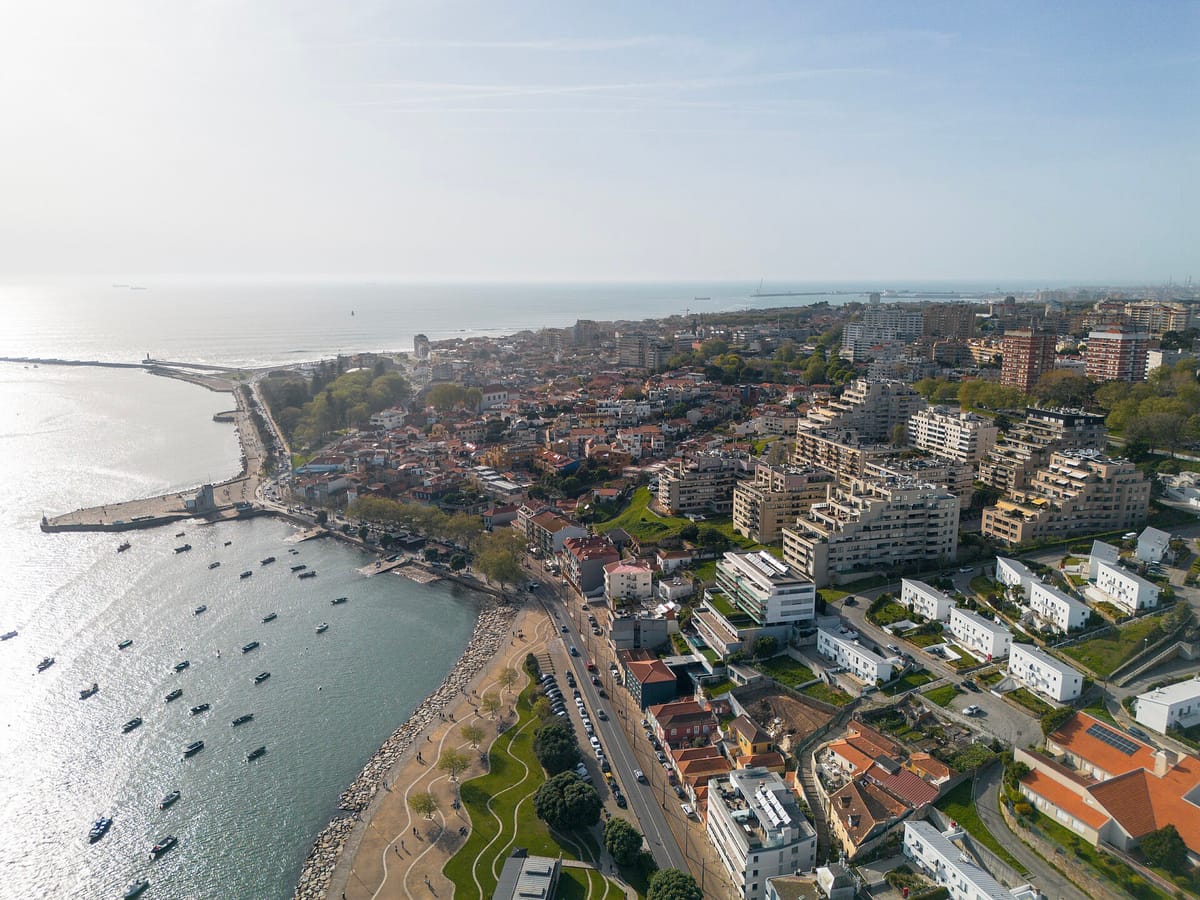
Porto City Council cleared and closed the Grijó viaduct in Lordelo do Ouro on Thursday, a space under the road where between 30 and 40 homeless people had been living, some of them for several years. The mayor, Pedro Duarte, said they now have somewhere else to sleep: a municipal night shelter with 120 beds that opened about a week ago.
The operation involved the PSP, the Municipal Police and several council departments, from street cleaning to social services. Duarte, elected for the PSD, CDS-PP and IL coalition, said on Facebook that it followed repeated complaints about "the conditions of safety, hygiene and use of that space".
"Firm, but there has to be an alternative"
"We do not accept that it should become normal in this city for people to live on the street. That is not acceptable, it is not admissible," Duarte told reporters at the viaduct. What was at stake, he said, was safety, public health and human dignity. "The municipality's response has to be firm, but there also has to be an alternative."
That alternative is the new Centro Municipal de Pernoita, the council's night shelter. According to the mayor, it offers a bed, clean clothes, changing rooms, showers and breakfast, with social and health follow-up, and people can bring their pets with them. "Today we have the conditions for these people to have a roof to sleep under," he said.
He paired that offer with a warning. "We are offering everything. From the moment we offer everything, we also have the obligation to demand that these people do not contribute to the degradation of public space and to insecurity in the city, and there we will be relentless."
A pilot that could be repeated elsewhere in the city
Duarte presented the shelter as a test. "If the night shelter works, we will create others in other parts of the city," he said. He also pointed to the council's health services for people who want to come off drugs and its social services for getting people back into work.
The council said at the end of July that Porto had 204 fewer homeless people than five years earlier, and ended 2025 with 526 people living on the street.
The debate this will reopen
Clearing encampments is contested ground for charities working with homeless people, who generally argue that removing a camp without a stable housing solution moves people around the city rather than off the street. A night shelter is also a different thing from a home: it offers a bed for the night, not a place to stay during the day or a route to a tenancy. How many of the people from the viaduct take up a bed at the Pernoita, and whether they stay, will be the test of Duarte's approach. The council has not published a figure yet.
Anyone in Porto who sees someone sleeping rough and in need of help can contact the council's social services or, in an emergency, call 112. The national social emergency line, 144, also operates in the city around the clock.